FCC Proposes Preliminary Guidelines on Cannabis Advertising, Setting Stage for Potential Broadcast Restrictions
Washington D.C. – The Federal Communications Commission (FCC) today initiated a significant step towards potentially regulating cannabis advertising across various mediums under its jurisdiction. The agency released a set of preliminary guidelines and formally opened a public comment period, signaling its intent to clarify and potentially restrict how cannabis brands, including those operating legally under state laws, can advertise via broadcast airwaves and other regulated platforms.
This move comes as the legal landscape surrounding cannabis continues to evolve unevenly across the United States, with a growing number of states permitting its medicinal or recreational use while it remains illegal under federal law. The FCC’s action highlights the complex intersection of state-level legalization efforts and federal regulatory authority, particularly concerning communications that traverse state lines or are accessible to diverse audiences, including minors.
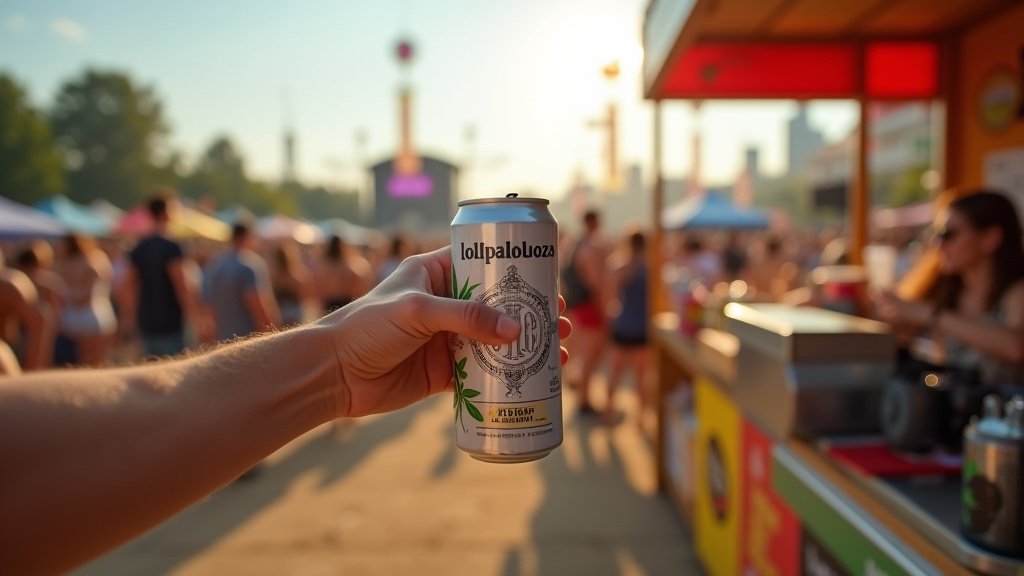
The core of the proposed guidelines centers on clarifying the FCC’s role in overseeing advertising content on broadcast radio and television. These platforms are frequently utilized to promote or cover music events, ranging from large-scale music festivals and arena tours to local concerts and artist promotions. The potential for new regulations raises immediate questions about the future of sponsorship deals and promotional activities involving cannabis companies, music festivals, and individual artists.
Industry analysts are closely monitoring the situation, noting that these guidelines could introduce substantial complexities and financial implications for both the cannabis industry and the entertainment sector, particularly music. Sponsorships from cannabis brands have become an increasingly important revenue stream for many music events and venues in states where cannabis is legal. Restrictions on broadcast advertising could diminish the value of these sponsorships and limit the ability of cannabis companies to market their brands effectively to event attendees or viewers/listeners.
Federal Jurisdiction and the Broadcast Challenge
The FCC explicitly cited the need to clarify federal jurisdiction in its announcement. Unlike print or online media, broadcast radio and television operate under licenses issued by the FCC, and signals inherently cross state borders. This interstate aspect is a key factor distinguishing federal authority in broadcasting from purely intrastate commercial activities. The FCC’s mandate also includes protecting vulnerable populations, specifically mentioning the importance of protecting minors from potentially harmful or inappropriate content, which could include advertising for federally prohibited substances.
The tension between federal and state law is at the heart of this regulatory challenge. While states like California, Colorado, Washington, and others have established robust legal cannabis markets with associated advertising regulations, these state rules do not supersede federal law or the FCC’s authority over interstate communications and broadcasting licenses. A cannabis company operating legally within a state might find itself restricted from advertising on a local radio or TV station if that station’s signal reaches into a neighboring state where cannabis is illegal, or if the FCC determines the advertising violates federal standards related to prohibited substances or protection of minors.
Potential Impact on Music Events and Sponsorships
The music industry, with its deep ties to live events and media promotion, stands to be significantly impacted. Music festivals and tours often rely heavily on corporate sponsorships to underwrite costs and enhance attendee experience. Cannabis companies, seeking to reach demographics that often align with music event audiences, have become active sponsors in recent years, particularly in states with legal markets. These sponsorships can include stage naming rights, experiential activations on-site, and promotional campaigns tied to the event.
Broadcast radio and television play a crucial role in promoting these events and their sponsors. Advertisements for festivals, concerts, and artist appearances frequently air on these platforms. If the FCC were to impose restrictions on cannabis advertising, it could directly affect the ability of events and artists sponsored by cannabis brands to promote themselves via broadcast, or it could make cannabis brands hesitant to enter into such sponsorship deals in the first place due to limited promotional avenues.
Furthermore, broadcast media often covers music events through news segments, live performances, or dedicated programming. The presence of cannabis branding at events – on stages, banners, or merchandise – could create complications for broadcasters covering these events if the display or mention of such branding is deemed a form of indirect advertising that violates future FCC rules. Individual artists who have endorsement deals or partnerships with cannabis brands might also face challenges in promoting those relationships through appearances or content distributed via broadcast platforms.
The Public Comment Period
The release of preliminary guidelines is the initial step in a potentially lengthy rulemaking process. The FCC has opened a public comment period specifically to gather input from stakeholders across various sectors, including the broadcasting industry, the cannabis industry, legal experts, public health advocates, and the general public. This comment period is scheduled to remain open for 60 days from the date of the guidelines’ release.
During this time, interested parties can submit formal comments on the proposed guidelines, offering data, legal arguments, and perspectives on the potential impacts of regulation. The FCC will review these comments as it considers whether and how to draft formal rules regarding cannabis advertising. The process could lead to a Notice of Proposed Rulemaking (NPRM), followed by further comment periods, and eventually, the potential adoption of binding regulations.
Industry stakeholders, including broadcasters, advertisers, event organizers, and cannabis businesses, are expected to participate actively in the public comment period to voice their concerns and provide information on the operational and economic consequences of potential restrictions. The outcome of this process could significantly shape the future of cannabis marketing and its intersection with federally regulated media platforms, including those vital to the promotion and coverage of the music industry.