California CDFA Updates Water Use Guidelines for Licensed Cannabis Cultivators
Sacramento, CA – The California Department of Food and Agriculture (CDFA) has announced significant revisions to its water usage regulations specifically targeting licensed cannabis cultivators operating across the state. These crucial updates, designed to bolster environmental sustainability and address the realities of ongoing drought conditions exacerbated by a changing climate, are set to become effective on July 1, 2025.
The revised guidelines introduce stricter volumetric limits on water usage, calculated per square foot of cultivation canopy. This move represents a more granular approach to managing water resources within the state’s burgeoning legal cannabis industry, aiming to promote efficiency and reduce overall water footprint.
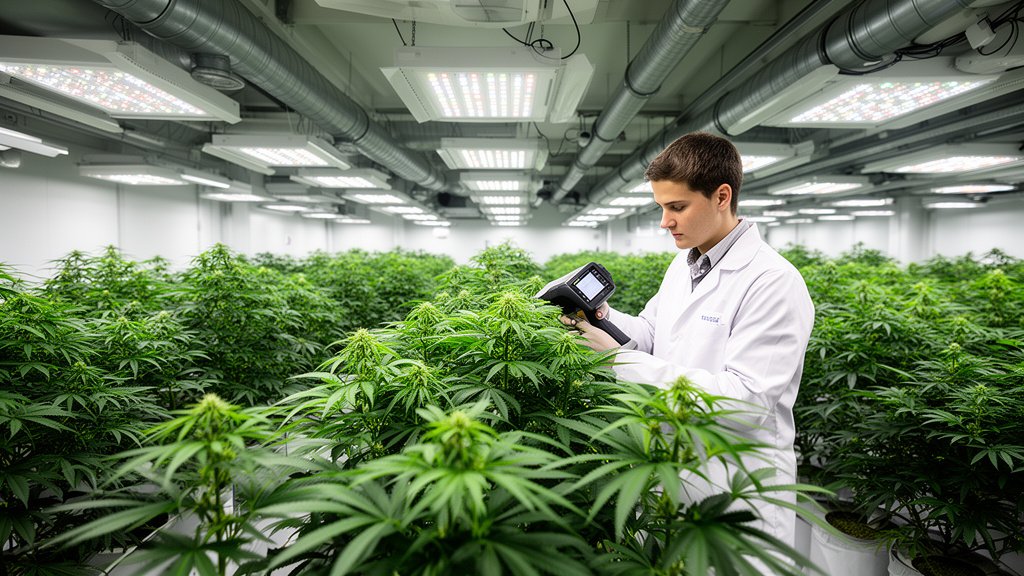
Beyond volumetric restrictions, the new regulations also mandate enhanced reporting protocols. Licensed cultivators will be required to provide more detailed and frequent data regarding their water sourcing, consumption, and conservation efforts. This increased transparency is intended to give the CDFA and other relevant state agencies a clearer picture of water use patterns within the sector and enable better monitoring and enforcement.
Addressing Drought and Sustainability Goals
California has faced prolonged periods of drought in recent years, putting immense pressure on water resources across all sectors, including agriculture. The CDFA’s updated guidelines for cannabis cultivation are a direct response to these challenges. By setting stricter limits and requiring detailed reporting, the state is emphasizing that the cannabis industry must play a proactive role in water conservation.
The regulations align with California’s broader environmental sustainability goals. The state is committed to managing its natural resources responsibly, and water conservation is a critical component of that effort. The updated guidelines signal the CDFA’s commitment to integrating environmental stewardship directly into the regulatory framework for licensed cannabis operations.
Impact on Licensed Cultivators
The implementation of these new rules effective July 1, 2025, will necessitate significant adjustments for many licensed cannabis cultivators. The stricter volumetric limits mean that operations will need to carefully evaluate their current water consumption practices. Cultivators who exceed the new per-square-foot thresholds will be required to implement measures to reduce their water use.
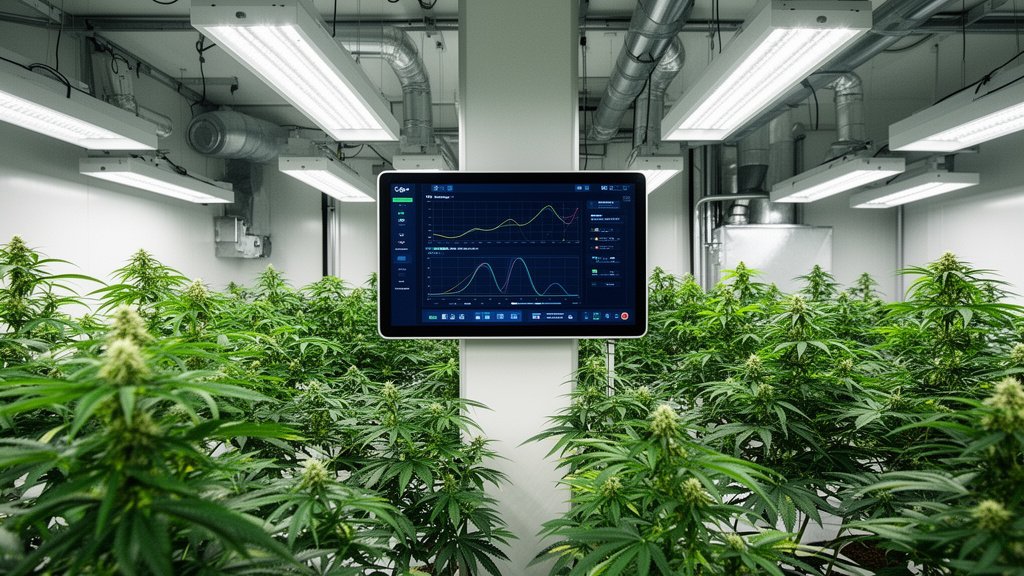
The enhanced reporting requirements will also add an administrative layer for businesses. Cultivators must ensure they have robust systems in place to accurately track and report water usage data according to the CDFA’s specifications. This may involve investments in metering technology and data management systems.
Compliance with these updated regulations is not optional for licensed operators. The CDFA will enforce the new rules, and non-compliance could result in penalties, including fines or potential impacts on license status. Therefore, licensed cultivators are strongly advised to begin reviewing the new requirements well in advance of the July 1, 2025, effective date.
Strategies for Compliance and Efficiency
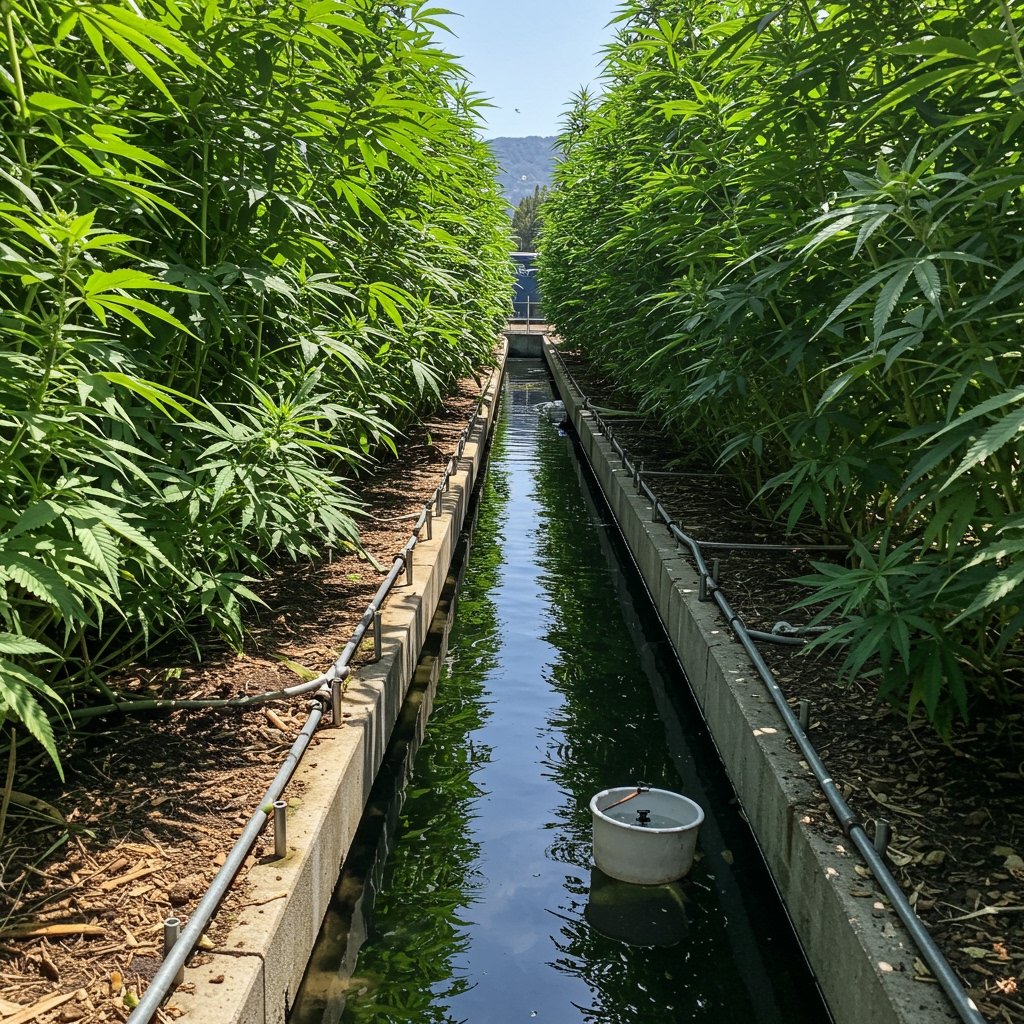
To meet the stricter volumetric limits and optimize resource management, the CDFA guidelines implicitly and explicitly encourage the adoption of water-saving technologies and practices. Prominent among these are drip irrigation and rainwater harvesting.
Drip irrigation systems deliver water directly to the plant roots, minimizing evaporation and runoff compared to traditional watering methods. This precision watering can significantly reduce overall water consumption while maintaining plant health and yield.
Rainwater harvesting involves collecting and storing rainwater for later use in irrigation. This practice reduces reliance on groundwater or municipal water sources, offering a sustainable alternative and potentially lowering operational costs. Implementing effective rainwater capture systems, such as large tanks or reservoirs, can be a valuable strategy for cultivators, particularly in regions with sufficient rainfall.
Beyond these recommended technologies, licensed cultivators may also explore other water efficiency strategies, such as improving soil health to retain moisture, utilizing mulch to reduce evaporation, optimizing irrigation scheduling based on plant needs and weather conditions, and investing in climate control systems for indoor grows to manage humidity and temperature more effectively.
Conservation as a Critical Component
The CDFA’s messaging surrounding these updates emphasizes that conservation is not merely a regulatory burden but a critical component of responsible cannabis cultivation in California’s challenging and changing climate. The state aims to foster an industry that is both economically viable and environmentally sustainable.
By embracing water-saving technologies and practices, licensed cultivators can not only ensure compliance with the new rules but also enhance the long-term resilience and efficiency of their operations. Efficient water use can lead to lower utility bills, reduced environmental impact, and improved public perception of the industry.
The CDFA encourages licensed cultivators to seek out resources and technical assistance as they prepare for the July 1, 2025, deadline. Collaboration between regulators, industry stakeholders, and technology providers will be essential in ensuring a smooth transition and widespread adoption of water-efficient practices across the state’s licensed cannabis sector.
The updated guidelines represent a significant step by the CDFA to integrate robust environmental standards into cannabis cultivation, reflecting the state’s commitment to managing its precious water resources wisely in the face of ongoing climate challenges. Licensed cultivators throughout California must prioritize understanding and implementing these new requirements to ensure continued compliant operations.