State Environmental Board Unveils Strict Sustainability Rules for Cannabis Cultivation
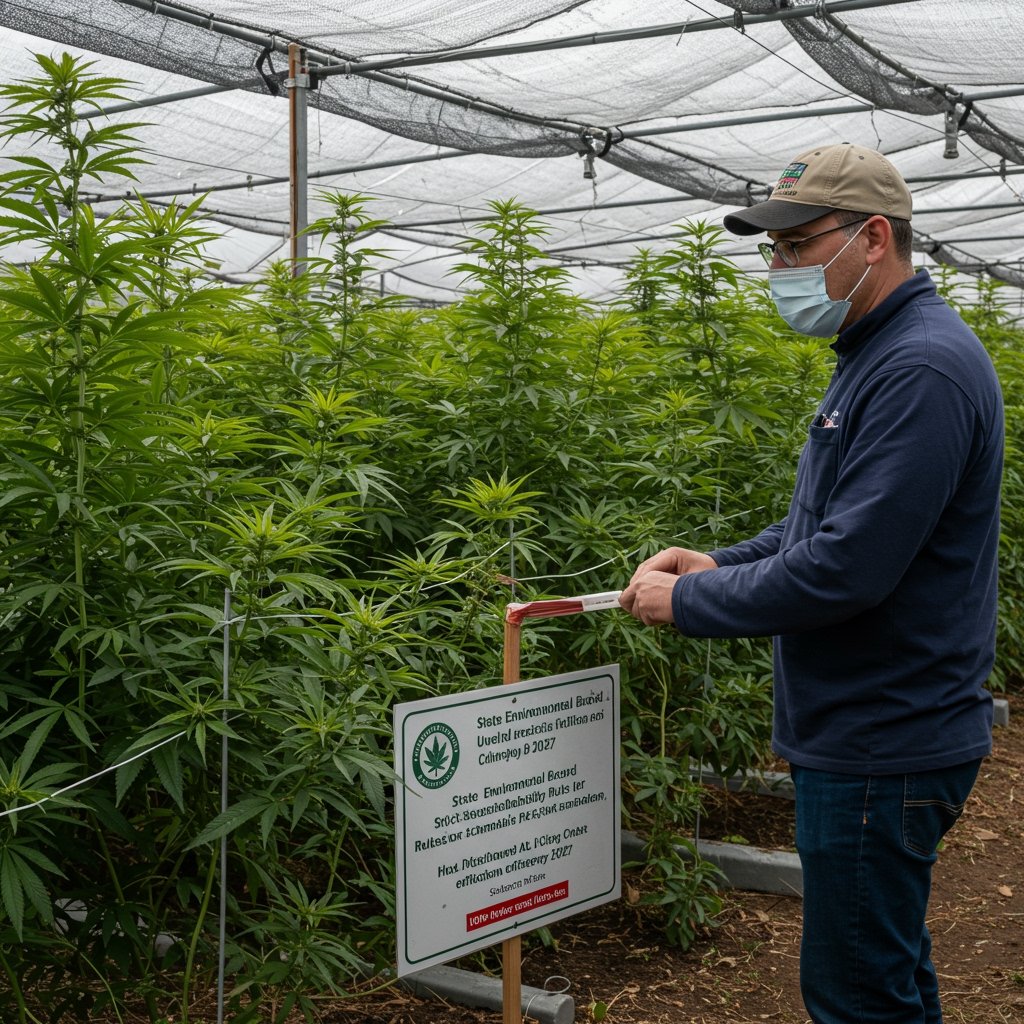
[City, State] – The State Environmental Quality Board (SEQB) today, June 8, 2025, officially released a comprehensive set of draft regulations designed to significantly enhance the sustainability of licensed commercial cannabis cultivation operations across the state. These proposed rules, representing a major shift in cultivation advice and pushing operators towards more environmentally conscious practices, are slated to take full effect in 2027, giving the industry just over a year to adapt to stringent new environmental mandates.
Addressing Environmental Impact
The new framework directly targets key areas of environmental concern within the cannabis cultivation sector: water usage and energy consumption. Recognizing the substantial footprint of large-scale grow operations, particularly those conducted indoors, the SEQB has developed regulations aimed at mitigating these impacts. According to the draft document released by the board, the rules include strict caps on water usage per square foot of cultivation area. While the specific gallon-per-square-foot limit was detailed within the extensive draft, the overall intent is to dramatically reduce the industry’s reliance on often-strained water resources, especially crucial in regions prone to drought or water scarcity.
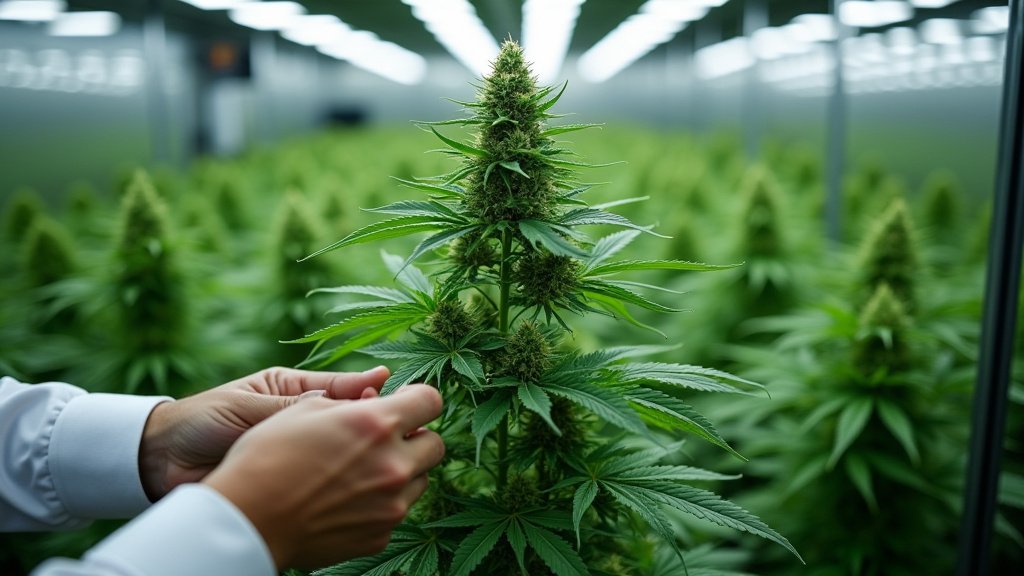
In addition to water conservation, the regulations place a heavy emphasis on energy efficiency. A core component of the proposed rules is the requirement for mandatory adoption of energy-efficient LED lighting systems. Traditional high-pressure sodium (HPS) or metal halide (MH) lights commonly used in cannabis cultivation are notoriously energy-intensive. The shift to LED technology is expected to yield significant reductions in electricity consumption, lowering both operational costs for cultivators in the long run and easing the burden on the state’s power grid. Furthermore, the draft mandates the adoption of advanced HVAC (Heating, Ventilation, and Air Conditioning) systems. These modern systems are designed to manage temperature, humidity, and air circulation much more efficiently than older models, further contributing to overall energy savings and potentially improving climate control for better crop health.
Industry Reaction and Concerns
The release of these draft regulations has already elicited significant discussion within the state’s burgeoning cannabis industry. During a preliminary hearing held prior to the official release of the draft, industry stakeholders had the opportunity to voice their initial reactions and concerns. Among the most prominent voices was the United Cannabis Alliance (UCA), a leading industry association representing a wide range of cultivators, processors, and retailers.
The UCA specifically highlighted the potential financial burden the proposed mandates could place on smaller farms. Upgrading lighting systems to comply with the mandatory LED requirement and installing advanced HVAC systems represent significant capital expenditures. While larger, more established operations may have the resources to absorb these costs, smaller family-owned farms or independent cultivators might struggle to finance the necessary infrastructure improvements by the 2027 deadline. The UCA urged the SEQB to consider phased implementation strategies or potential financial assistance programs to help ensure that the transition to more sustainable practices does not inadvertently lead to the consolidation of the market or the displacement of smaller businesses.
Public Comment Period and Next Steps
Recognizing the importance of broad input on such impactful regulations, the State Environmental Quality Board has opened a formal public comment period on the proposed framework. Interested parties, including cultivators, environmental groups, consumers, and the general public, are encouraged to review the extensive draft document and submit their feedback. The SEQB is accepting public comments on the proposed framework until August 15, 2025. This period is crucial for identifying potential unintended consequences, suggesting alternative approaches, and ensuring the final rules are both effective in achieving environmental goals and practical for industry implementation.
Following the close of the public comment period, the SEQB will review all submitted feedback. Revisions to the draft regulations may be made based on the input received. The board’s stated timeline anticipates final adoption of the rules by year-end 2025. Once adopted, the industry will have approximately two years to come into full compliance before the 2027 effective date.
Looking Ahead
The SEQB’s move marks a significant step towards integrating environmental sustainability into the core practices of the state’s cannabis industry. While the goals of water conservation and energy efficiency are widely supported, the implementation details and financial implications for cultivators, particularly smaller ones, remain key points of discussion. The coming months, including the public comment period, will be critical in shaping the final version of these regulations and determining how the state balances its environmental objectives with the economic realities of its licensed cannabis businesses. The focus is clearly on pushing operators towards more environmentally conscious practices, setting a precedent for sustainable cultivation in the future.