SACRAMENTO, Calif. – California regulators have approved stringent new environmental mandates for the state’s burgeoning licensed cannabis industry, specifically targeting water usage and runoff control in a move aimed at safeguarding vital natural resources.
The California State Water Resources Control Board (SWRCB), the principal state agency charged with preserving and enhancing the quality of California’s water resources, voted on June 8, 2025, to formally adopt Resolution 2025-007. This resolution enacts significantly stricter environmental regulations for licensed cannabis cultivation operations across the state.
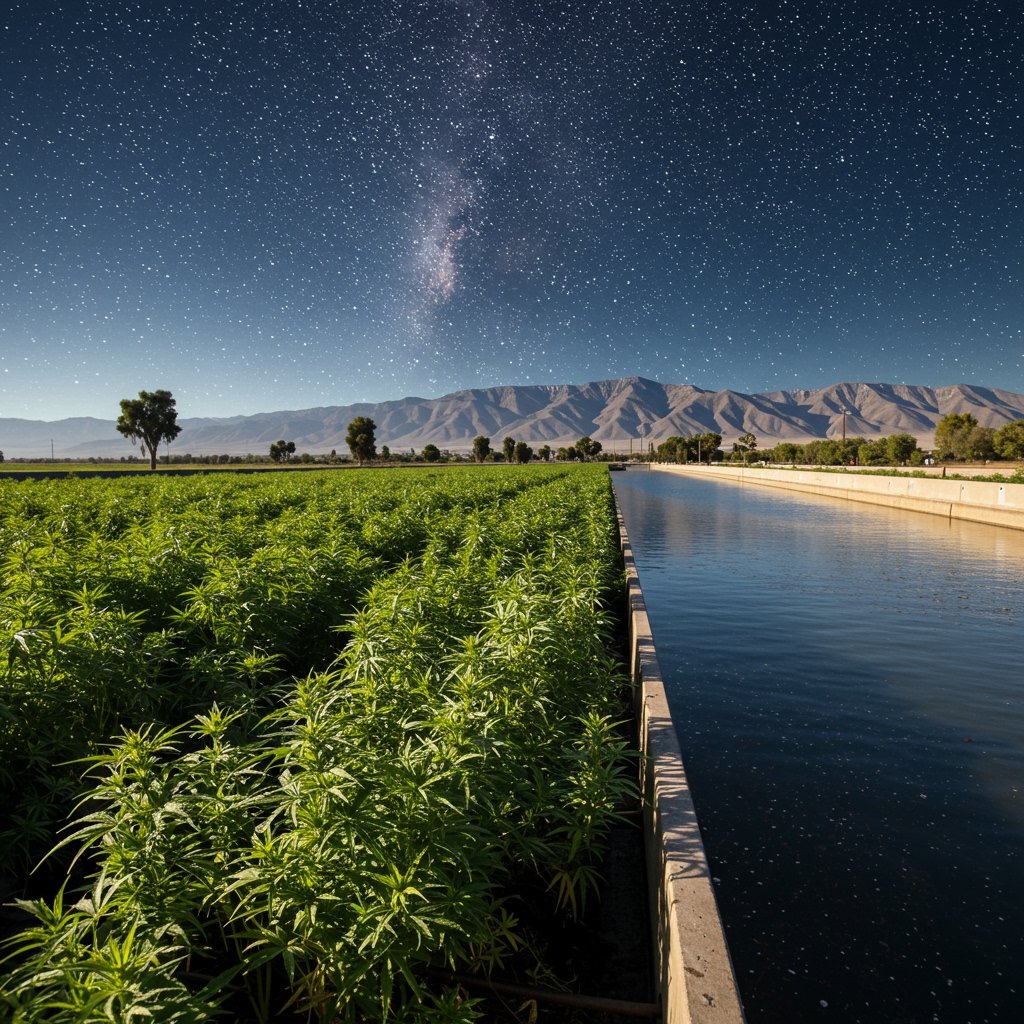
While impacting the industry broadly, the new rules place particular emphasis on outdoor and mixed-light operations, which are often more directly exposed to environmental conditions and rely more heavily on surface water sources or groundwater that is closely tied to surface flows in watershed areas.
New Mandates Detailed
The core of the updated policy introduces several key requirements designed to minimize the environmental footprint of cannabis farming.
Foremost among these are mandates for specific high-efficiency irrigation practices. The resolution explicitly requires the adoption of systems such as drip irrigation, known for its ability to deliver water directly to plant roots with minimal waste compared to traditional methods like flood or spray irrigation. This shift is intended to dramatically reduce overall water consumption by cultivators.
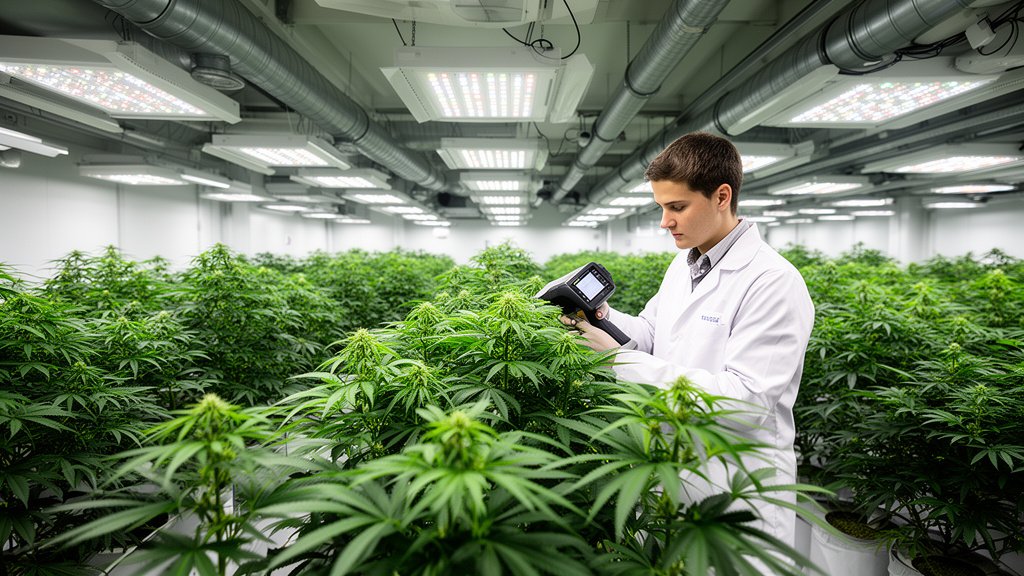
Beyond conservation through efficient delivery, the new rules also impose rigorous requirements for comprehensive water source monitoring and usage reporting. Licensed growers will now be required to track and report precisely where their water comes from – whether surface water diversions, groundwater wells, or other sources – and exactly how much they use. This enhanced transparency is expected to provide regulators with a clearer picture of the industry’s water demands and facilitate better management of water resources, particularly during periods of drought or scarcity.
Furthermore, cultivators must implement enhanced measures for sediment and runoff control. This is a critical component, as poorly managed farms can contribute to soil erosion, sending sediment and potentially harmful nutrients or pesticides into nearby waterways. The new rules will necessitate practices like installing buffers, using cover crops, and managing grading to prevent soil and contaminants from leaving cultivation sites, thereby protecting aquatic ecosystems downstream.
Affected Areas and Rationale
The stricter monitoring and reporting requirements are particularly focused on growers located in sensitive watershed areas. These are regions identified as critical for water supply or possessing particularly vulnerable ecosystems.
The resolution specifically names portions of the North Coast region – an area renowned for its redwood forests, fisheries, and significant cannabis cultivation – and the Sierra Nevada foothills, important sources of water for the state’s agricultural and urban centers, as areas where these enhanced requirements will be stringently enforced. The designation of these areas underscores the regulators’ intent to prioritize the protection of key water sources and the delicate ecosystems they support.
The overarching objective articulated by the SWRCB is to protect state water resources and ecosystems. Regulators highlighted the need to ensure that the expansion of licensed cannabis cultivation does not come at the expense of environmental health, particularly concerning water quality, aquatic habitat, and the overall sustainability of water availability for all users.
Implementation Timeline and Economic Impact
The newly adopted regulations are not expected to take immediate effect. The resolution stipulates that the rules are anticipated to be implemented in early 2026.
Prior to their full enforcement, the policy will undergo a public comment period. This allows stakeholders, including cultivators, environmental groups, and the public, to provide feedback and potentially influence minor adjustments before the rules become binding law. This period is a standard part of the administrative rulemaking process in California.
However, the introduction of these stricter standards is widely expected to result in an increase in compliance costs for numerous cultivators. Implementing high-efficiency irrigation systems like drip lines requires initial investment. Enhanced monitoring and reporting necessitate new processes, potentially specialized equipment, and administrative effort. Upgrading sediment and runoff controls can also involve construction or landscaping expenses.
Industry observers and cultivator associations have voiced concerns about the financial burden, particularly for smaller operations, suggesting that the increased costs could impact the economic viability of some farms and potentially influence market dynamics within the licensed cannabis sector.
As California continues to refine its regulatory framework for the legal cannabis industry, these new water rules mark a significant step towards integrating environmental sustainability more deeply into cultivation practices, balancing economic activity with the critical need to preserve the state’s precious water resources.