BANGKOK – Thailand has implemented a significant amendment to its cannabis regulations, requiring commercial growers and exporters of cannabis flowers to obtain exclusive certification from the Department of Thai Traditional and Alternative Medicine (DTAM) under the Ministry of Public Health. The move, effective June 26, 2025, signals the government’s intent to impose greater control over the nation’s burgeoning cannabis industry, which was largely decriminalized in 2022.
Published in the Royal Gazette on June 25, 2025, the amendment modifies the existing “Announcement on Controlled Herbs (Cannabis) B.E. 2565” from November 11, 2022. While the sale and consumption of cannabis remain legal in Thailand, this updated legislation introduces a crucial compliance step specifically targeting those involved in the commercial production and export of cannabis flowers.
Mandatory DTAM GACP Certification
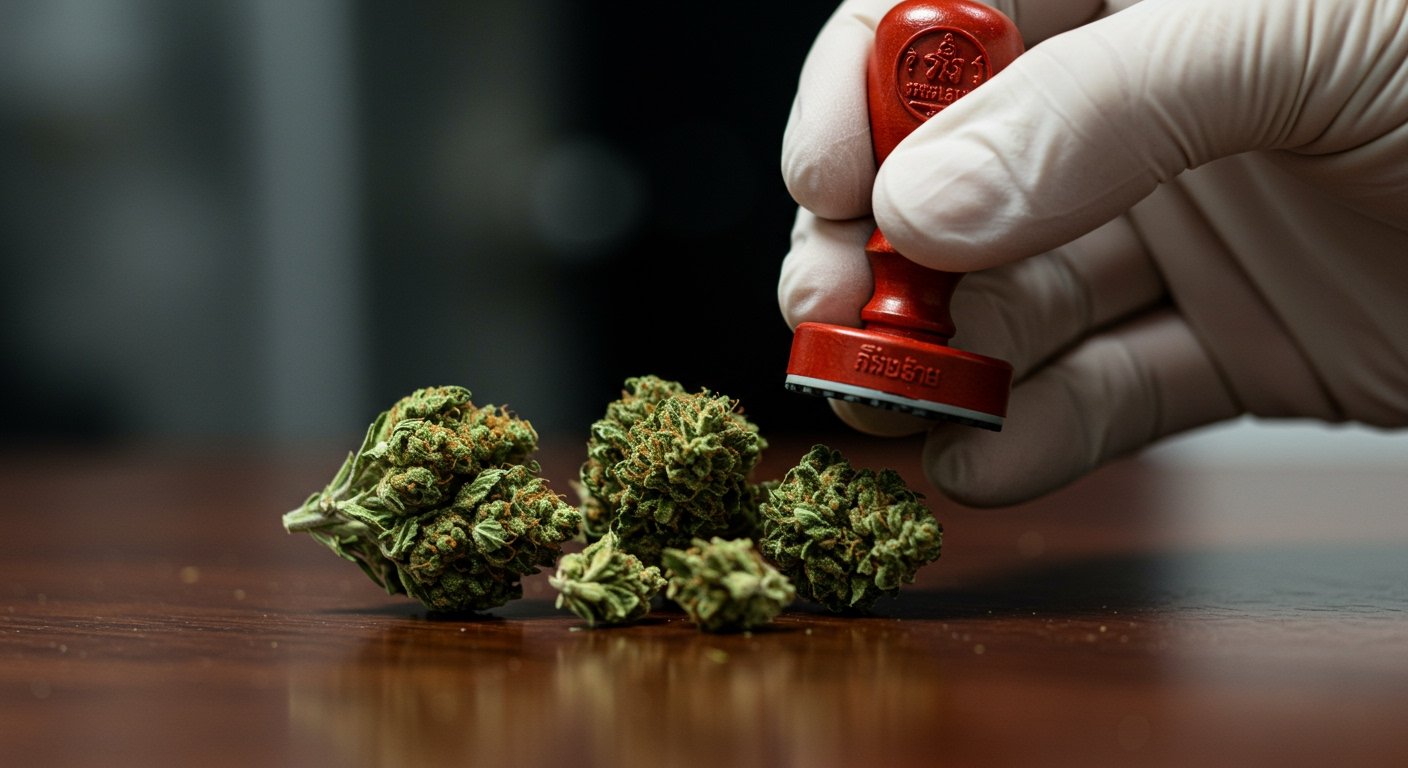
The core of the amendment mandates that all commercial operations cultivating or exporting cannabis flowers must secure Good Agriculture and Collection Practices (GACP) certification. Crucially, this certification must exclusively be obtained from the Department of Thai Traditional and Alternative Medicine (DTAM). The new rule explicitly states that GACP certification from any third-party organizations will not be accepted by the authorities.
This specific requirement underscores a shift towards centralizing oversight and standardizing cultivation practices under the purview of the public health ministry, moving away from a less regulated environment that followed the initial decriminalization.
Navigating the Certification Process
Commercial growers and exporters must now navigate the application process for the DTAM GACP certification. According to the announcement, this process is estimated to take between 60 to 180 days from application submission to approval. Once granted, the certification is valid for a period of three years, after which it must be renewed.
Authorities consider this DTAM GACP certification as a vital document that functions in lieu of a formal growing or cultivation license. It is important to note that, as of the effective date of this amendment, Thailand does not currently require a standard, broad cultivation license for cannabis, making this GACP certification the primary official authorization needed for commercial growing or export of flowers.
Consequences for Non-Compliance
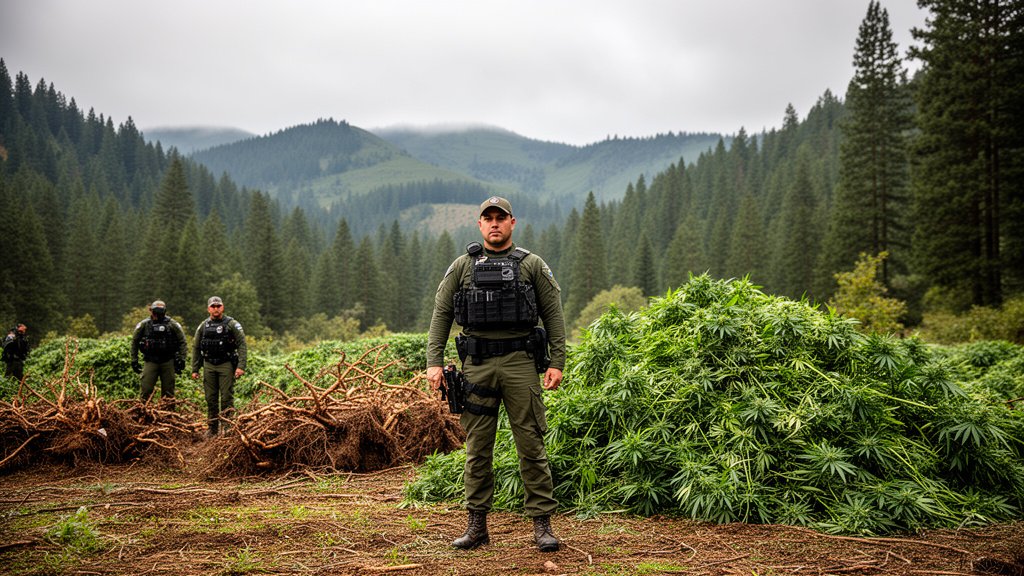
The amended law carries clear consequences for commercial operations that fail to comply with the new certification requirement. Any commercial cultivation operations found to be operating without the mandatory DTAM GACP certification are explicitly stated to be subject to punishment under the law.
This punitive measure is designed to enforce adherence to the new standard and ensure that commercial cannabis flower production meets the quality and practice standards set by the Ministry of Public Health through the DTAM GACP framework.
Government Objectives and Industry Impact
The Ministry of Public Health’s stated aim behind this significant amendment is to curb the uncontrolled sale of cannabis flowers, particularly those intended for non-medical purposes. While recreational use surged following decriminalization, the government has consistently expressed concerns about public health and the need to regulate the industry more effectively.
The introduction of the mandatory, exclusive DTAM GACP certification is seen as a mechanism to bring commercial growers into a regulated system, allowing authorities better traceability and control over the supply chain. By limiting commercial cultivation and export channels to only certified entities, the government hopes to steer the industry towards more controlled distribution and potentially restrict access to certain markets or applications deemed non-medical.
The Ongoing Legal Status
Despite the tightening of cultivation regulations, the amendment does not alter the fundamental legal status of cannabis in Thailand regarding sales and consumption. These activities remain legal, though the government continues to explore further regulatory frameworks, including potential reclassification or stricter rules around public use and sales points.
However, the requirement for commercial growers and exporters to obtain exclusive DTAM GACP certification marks a definitive step towards imposing order on the production side of the industry. It places a significant burden on existing and prospective commercial operators to meet specific standards and navigate a potentially lengthy bureaucratic process.
Industry stakeholders are now closely examining the practical implications of the 60-to-180-day certification timeline and the capacity of the DTAM to process applications efficiently. The exclusivity of the DTAM certification also removes options for businesses that may have previously relied on or explored third-party certifications.
In conclusion, while cannabis sales and consumption remain legal in Thailand, the amendment effective June 26, 2025, fundamentally changes the landscape for commercial growers and exporters of cannabis flowers, establishing a mandatory, exclusive government certification process aimed at increasing control and curbing non-medical proliferation.