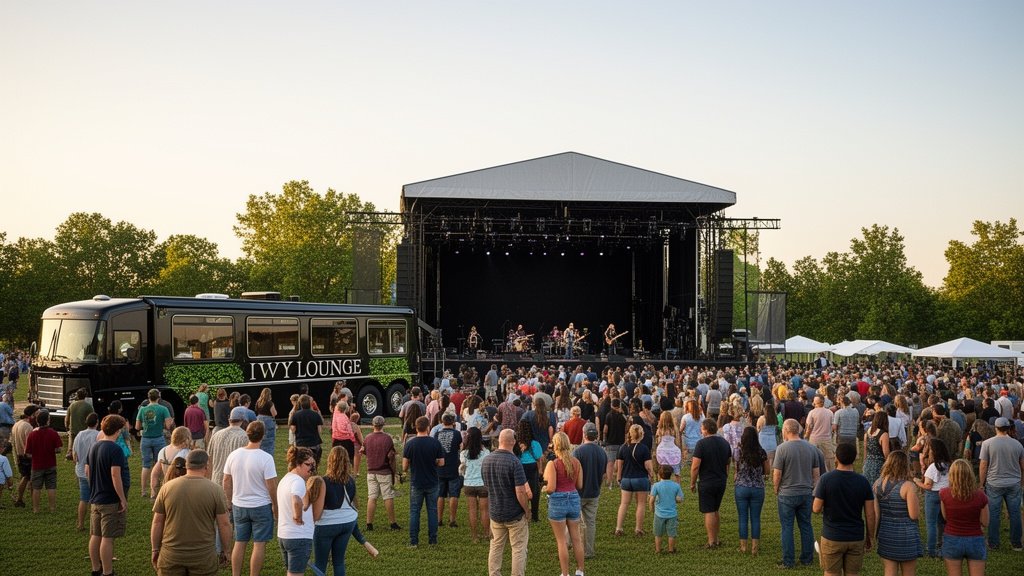
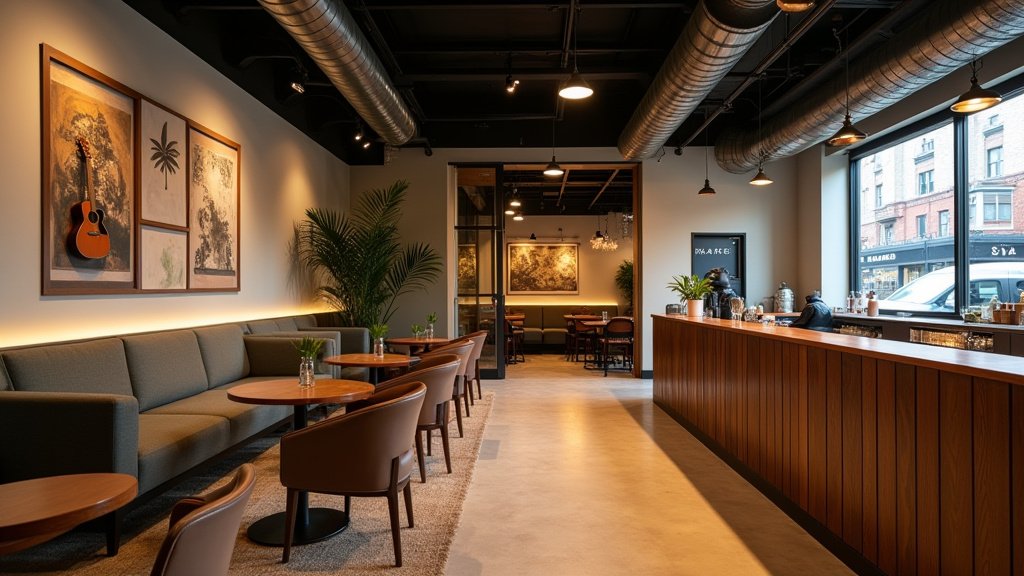
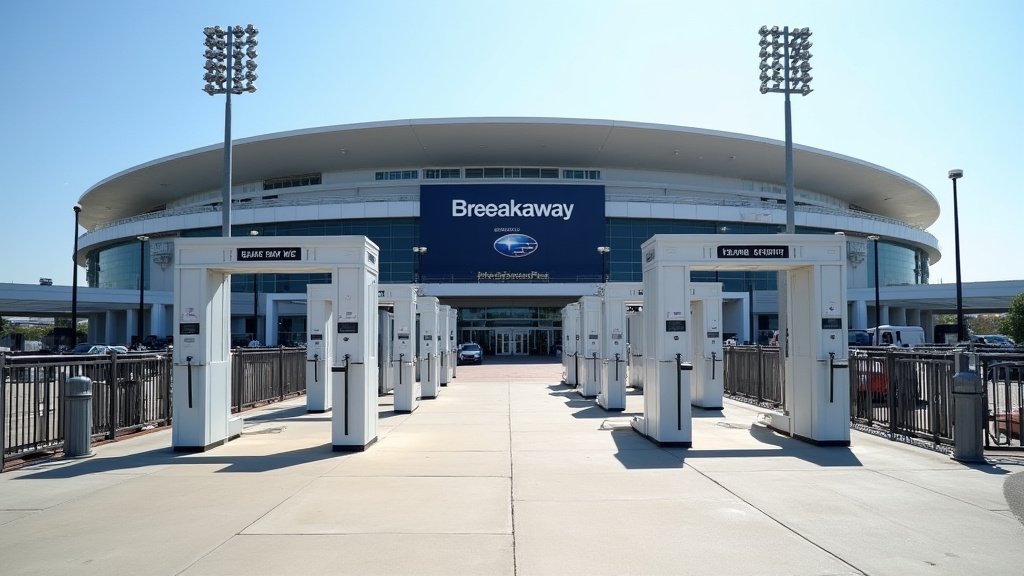
Westville Music Bowl in New Haven, Connecticut, has announced a pioneering initiative set to redefine the concert-going experience, becoming the first concert venue in the United States to offer a dedicated cannabis delivery system for its attendees. This groundbreaking service, established through a partnership with a local Connecticut dispensary, marks a significant step in integrating legal adult-use cannabis into mainstream entertainment events.
The move by the Westville Music Bowl positions it at the forefront of venues navigating the evolving landscape of cannabis legalization. As more states across the U.S. permit adult-use cannabis, the entertainment industry is exploring new ways to accommodate consumer access within legal boundaries. The New Haven venue’s decision to implement a regulated delivery system specifically for patrons represents a novel approach, focusing on convenience and controlled access during live events.
A Landmark Development in Venue Services
The introduction of an on-site cannabis delivery system at the Westville Music Bowl is not merely an added amenity; it represents a significant development for the live music industry nationwide. By partnering with a licensed local Connecticut dispensary, the venue is facilitating legal transactions for cannabis products directly to eligible attendees within or near the venue premises during events. This innovative system is designed to operate strictly within the framework of Connecticut’s adult-use cannabis regulations.
The implementation details are crucial for ensuring compliance and a smooth operation. Attendees are expected to utilize a digital platform or designated ordering points to place their orders. The products would then be fulfilled by the partner dispensary and delivered to specific, controlled access points within the venue grounds, ensuring age verification (21+) and adherence to state-mandated purchase limits. This model leverages existing legal delivery allowances in Connecticut while adapting them to the unique, high-traffic environment of a concert venue. The partnership ensures that all products offered are legally sourced, tested for safety and potency, and handled by licensed professionals.
Navigating Connecticut’s Legal Cannabis Landscape
Connecticut legalized adult-use cannabis, allowing individuals aged 21 and older to legally purchase and possess specified amounts. This legal status provides the essential foundation for services like the one being launched at the Westville Music Bowl. However, the implementation of an on-site delivery system within a public venue requires careful consideration of existing regulations, particularly those concerning public consumption, permissible transaction points, and the responsibilities of licensees and venue operators.
The partnership structure – where the venue facilitates access via a delivery service from a licensed, off-site dispensary – appears designed to align with delivery regulations rather than establishing a static, on-site retail dispensary, which could involve different licensing and operational requirements. The success and long-term viability of this model will depend heavily on strict adherence to all state protocols, including robust age verification processes, tracking of sales to prevent over-purchasing, and managing the presence and consumption of cannabis products on venue property in accordance with venue policy and state law.
Implications for the Concert Experience and Industry Trends
The decision by Westville Music Bowl could have wide-ranging implications for both attendees and the broader live entertainment industry. For attendees, it offers unparalleled convenience and a sanctioned, legal method for accessing cannabis products during a show, potentially reducing reliance on the illicit market and enhancing safety through regulated product access.
For the live entertainment industry, this initiative serves as a significant test case. If the model proves successful and compliant, other venues in Connecticut and across states with legal adult-use cannabis markets may consider adopting similar services. This could potentially open new revenue streams for venues and dispensaries alike, while also influencing how security protocols, guest services, and responsible consumption policies are developed and managed at large events. However, it also necessitates careful planning to address potential challenges related to managing on-site consumption, ensuring the safety and comfort of all attendees, and navigating public perception and regulatory scrutiny.
The Critical Role of Local Partnership
The emphasis on partnering specifically with a local Connecticut dispensary is a notable aspect of this initiative. This choice highlights a commitment to supporting the local cannabis economy and ensures that the service is deeply integrated with the state’s regulated market infrastructure and community. Local partnerships can often facilitate smoother operational coordination, a better understanding of regional regulatory nuances, and stronger community relationships. The specific dispensary involved in this pioneering effort will play a critical role in establishing operational best practices for venue-based delivery services moving forward.
Regulatory Oversight and Future Outlook
Operating a service of this nature requires close coordination with Connecticut’s regulatory bodies overseeing the cannabis market. Adherence to all state laws regarding packaging, labeling, testing, sales tracking, and delivery protocols is paramount. The “delivery system” concept suggests logistics designed to meet existing regulations, but the unique, high-traffic event context presents novel operational and oversight challenges that regulators and operators will need to carefully manage and potentially adapt to.
Looking ahead, the Westville Music Bowl’s initiative could potentially pave the way for similar services at other types of venues – ranging from sports stadiums to festival grounds – in states where cannabis is legal for adult use. It signals a growing normalization of legal cannabis and demonstrates its potential for integration into various sectors of the economy and social life. While challenges related to regulation, public perception, and operational logistics remain, this step by the Westville Music Bowl represents a bold move towards exploring the full potential of legal cannabis markets within the entertainment sphere.
In conclusion, the Westville Music Bowl in New Haven, Connecticut, has made history by becoming the first concert venue in the United States to offer a cannabis delivery system for its attendees through a partnership with a local dispensary. This innovative approach not only aims to enhance attendee convenience within a regulated framework but also serves as a crucial test case for the integration of legal cannabis services into large-scale live events, potentially shaping the future of entertainment venues across the United States.