The promise of a thriving medicinal cannabis sector in New Zealand faces significant headwinds, according to reports from RNZ News. The industry, poised for growth and leveraging the country’s favourable conditions, is instead grappling with a complex and stringent regulatory framework that industry leaders warn is stifling domestic potential and pushing companies towards international markets.
Navigating a Complex Framework
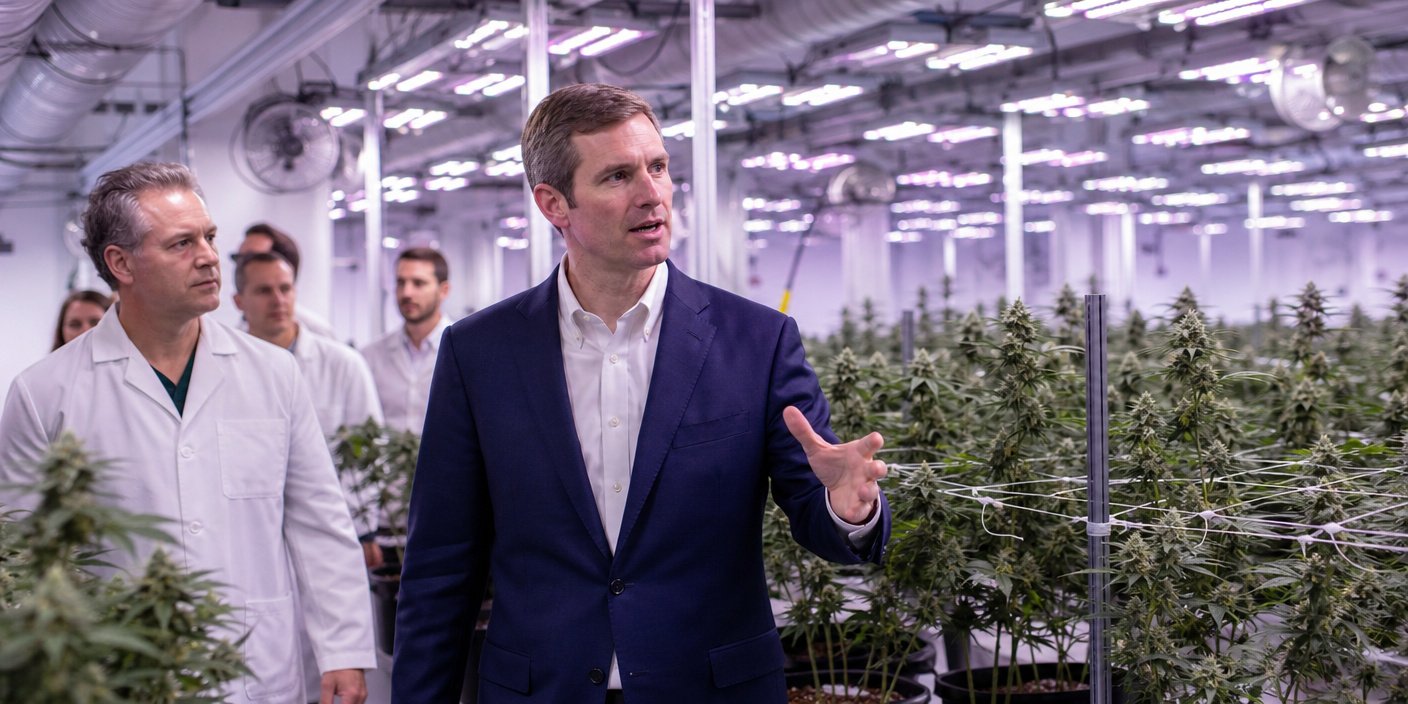
The challenges stem directly from the detailed regulations governing medicinal cannabis in New Zealand. Sally King, executive director of the New Zealand Medical Cannabis Council, has been a vocal advocate for reform, highlighting the extensiveness of the domestic standards required to operate within the sector. The current system imposes a layered licensing structure, demanding separate approvals for distinct operational phases – one license for cultivation activities and another for manufacturing.
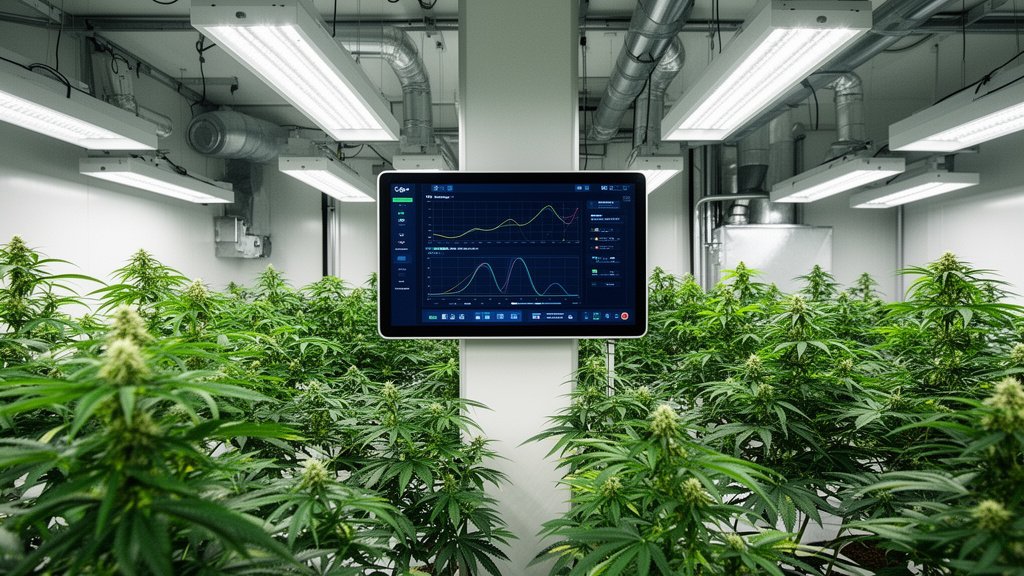
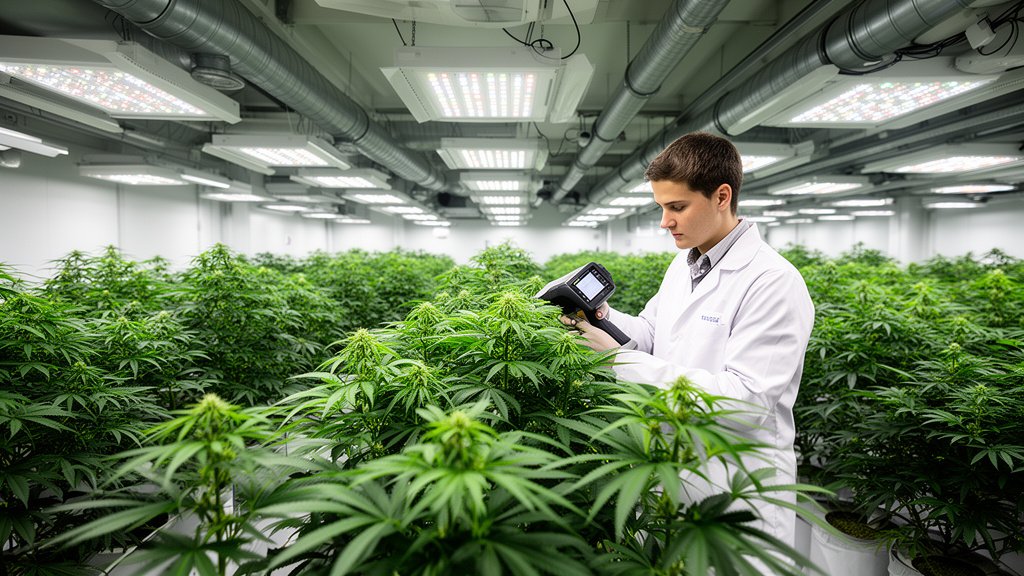
Beyond licensing, the rules dictate strict controls over the cultivation process itself. These include precise requirements on how the plant is grown, the specific environmental conditions that must be maintained throughout its lifecycle, and even stipulations regarding the fertilisers that can be used. While intended to ensure product safety and quality, these granular controls add considerable complexity and operational costs for growers.
Divergent Standards: Domestic vs. Export
A significant hurdle identified by industry participants is the disparity in quality standards required for different markets. Products destined for sale within the New Zealand domestic market must adhere to Good Manufacturing Practices (GMP). This standard is a globally recognised system ensuring products are consistently produced and controlled according to rigorous quality standards. However, New Zealand’s domestic GMP requirements for medicinal cannabis include a specific and often debated mandate for irradiation – a process used to sterilise or reduce microbial contamination.
In contrast, products being prepared for export often require compliance with Good Agricultural and Collection Practices (GACP) standards. GACP focuses on quality assurance during the cultivation and harvesting phases and typically does not mandate irradiation unless it is a specific requirement of the importing country. This divergence means producers must potentially maintain different processing pathways or even supply chains depending on whether their product is intended for local patients or international buyers, increasing operational complexity and cost.
Seeking Opportunity Abroad
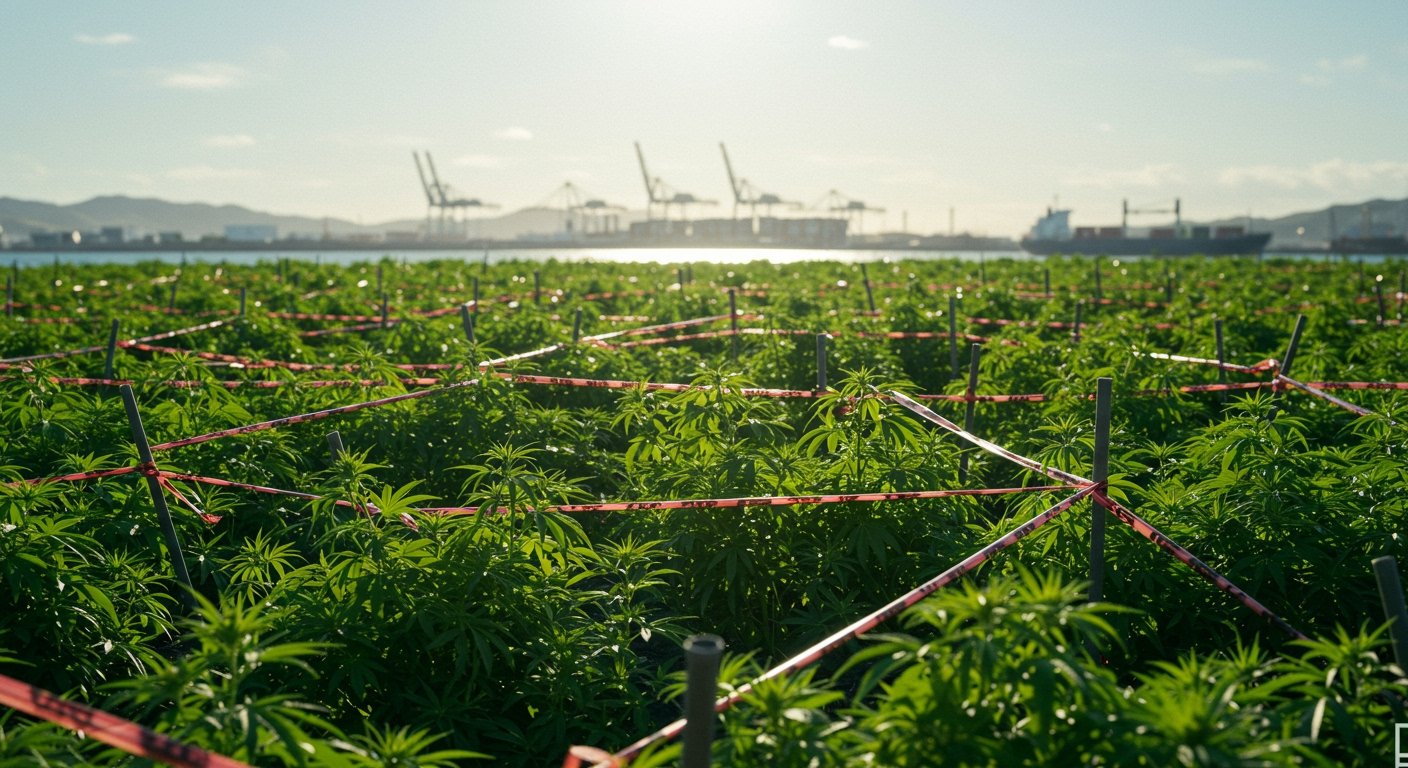
Faced with the intricate and economically challenging landscape of the domestic market, some New Zealand cannabis cultivators are strategically focusing their business models on export opportunities where regulatory pathways may be clearer or more aligned with international norms. Tim Aldridge, co-founder of Blenheim-based cannabis cultivator Puro, is a prominent example of this trend, having openly stated his company’s focus on international markets as a primary strategy.
This export-oriented approach has recently culminated in a significant success for Puro. The company finalized a substantial organic cannabis deal valued at NZ$15.8 million, which is approximately £7 million, for export specifically to the United Kingdom. This agreement not only represents a major commercial achievement but also underscores the potential global demand for high-quality New Zealand-grown organic cannabis. However, it also implicitly highlights the difficulties encountered when trying to build a sustainable business model focused solely on the domestic market under the weight of current regulations.
Frustration with Policy Engagement
Industry leaders like Aldridge have actively sought to engage with governmental bodies to address the perceived regulatory barriers. Aldridge, for instance, proposed a more pragmatic, “common-sense regulatory approach” specifically tailored for domestic growers. The aim of such an approach would be to potentially streamline processes and reduce complexity where feasible, without compromising essential safety and quality standards.
These proposals were directed towards the key government agencies involved in overseeing the sector: the Ministry for Regulation and the Ministry of Health. Despite these direct attempts to suggest practical adjustments to the existing framework and facilitate domestic growth, reports indicate that Aldridge’s efforts to make headway on regulatory reform have, to date, not met with success within these ministries.
Domestic Market Economically Prohibitive
The cumulative effect of the extensive licensing requirements, stringent cultivation controls, and the specific domestic GMP standard – particularly the inclusion of mandatory irradiation – is rendering the New Zealand domestic medicinal cannabis market economically prohibitive for some growers. When compared to the often larger volumes and different compliance requirements of export markets, the costs associated with meeting the comprehensive domestic rules can significantly outweigh the potential returns from sales within New Zealand. This economic imbalance incentivizes focusing on international trade over developing the local market.
This situation creates a paradox: a country with the potential to be a leader in high-quality medicinal cannabis production finds its own domestic supply chain hampered by rules that make it difficult or uneconomic for local producers to serve local patients, even as they find success selling their product overseas.
Future of the Sector
The current state of affairs presents a critical challenge for the future growth, development, and accessibility of medicinal cannabis within New Zealand. While export successes like Puro’s deal demonstrate the industry’s inherent quality and international potential, the significant regulatory burden on the domestic market risks limiting patient access to locally produced medicine, hindering local investment, and preventing the sector from contributing fully to the country’s economy. As industry voices continue to call for a re-evaluation of the regulatory framework, the responsiveness of government agencies will be crucial in determining whether New Zealand’s medicinal cannabis industry can truly flourish both at home and on the global stage.