The global cannabis industry finds itself at a pivotal juncture, undergoing significant transformation driven by a confluence of factors: remarkable advancements in agricultural technology, burgeoning market demand, and the continuous evolution of regulatory frameworks worldwide. In this dynamic landscape, modern growers face the imperative challenge of maximizing yield, enhancing product quality, and streamlining complex operational processes.
Responding to these pressures, cultivators are rapidly adopting and refining innovative techniques that represent a fundamental shift from traditional farming methods. These cutting-edge approaches are not merely incremental improvements but represent a technological revolution reshaping how cannabis is grown, harvested, and brought to market.
Controlled Environment Agriculture (CEA): Precision at Scale
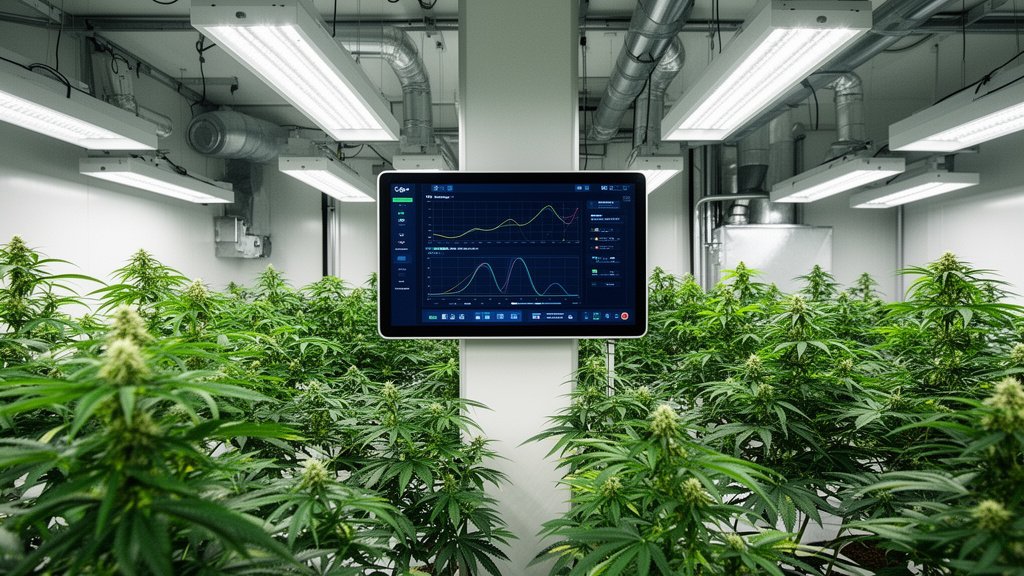
Among the most impactful of these modern methods is Controlled Environment Agriculture (CEA). This sophisticated approach involves cultivating plants within highly regulated indoor facilities or advanced greenhouse settings. The defining characteristic of CEA is the meticulous control exerted over key environmental variables. Temperature, humidity levels, light intensity and spectrum, and carbon dioxide (CO2) concentrations are precisely managed and adjusted throughout the plant’s lifecycle.
The primary objective of CEA is to create optimal conditions that eliminate external variables and allow for predictable, repeatable growth cycles. This level of environmental mastery optimizes plant growth rates and overall health. Furthermore, by isolating crops from the external environment, CEA significantly enhances the ability to manage pests and diseases without relying heavily on chemical interventions. This results in cleaner products and reduces crop loss. Crucially, CEA also improves resource efficiency, particularly in water and nutrient use, by employing closed or recirculating systems.
Advanced Hydroponics: Nutrient Delivery Without Soil
Another technique gaining substantial traction among modern cannabis growers is Advanced Hydroponics. This method fundamentally departs from traditional soil-based cultivation by utilizing nutrient-rich water solutions as the primary medium for delivering essential elements directly to the plant roots. Hydroponic systems eliminate the variables and potential contaminants associated with soil, allowing for more precise control over nutrient uptake.
Various forms of hydroponics are employed, each with distinct mechanisms and benefits. Nutrient Film Technique (NFT) involves a shallow stream of nutrient solution flowing over the roots. Deep Water Culture (DWC) suspends plant roots directly in a well-aerated nutrient solution. Aeroponics, perhaps the most technologically advanced form, mists the roots with a nutrient solution in an air or mist environment. These hydroponic techniques collectively contribute to significantly faster growth rates compared to soil-based methods, enabling quicker crop turnover and higher annual yields.
Automation and Smart Technology: The Intelligent Farm
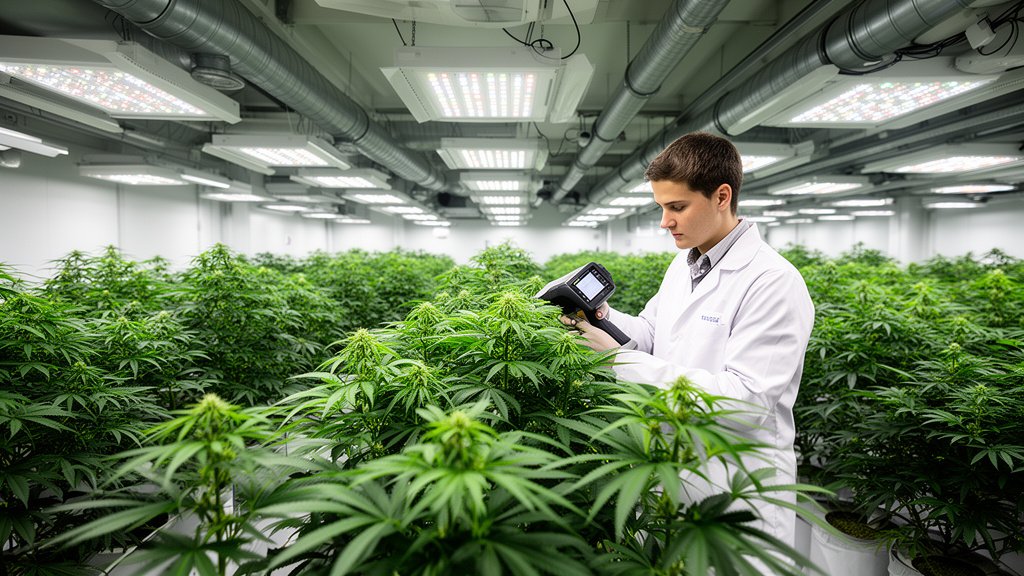
The integration of Automation and Smart Technology is fundamentally transforming cannabis farming operations, moving towards more data-driven and less labor-intensive models. Modern facilities are increasingly outfitted with sophisticated sensor networks that constantly monitor environmental conditions within cultivation areas, nutrient reservoir parameters, and even plant-level metrics.
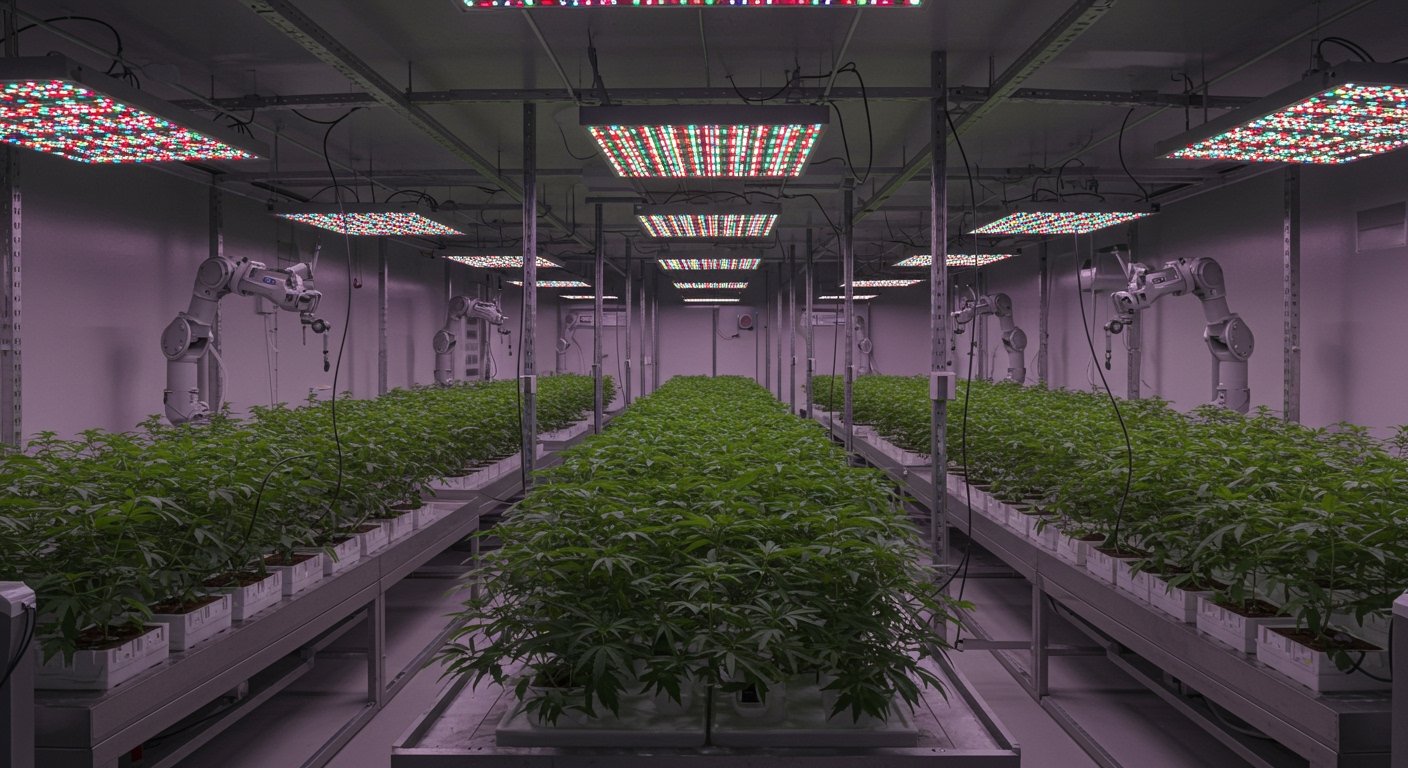
These sensors are typically connected through IoT devices, forming an interconnected system where data is collected in real-time. This vast amount of data is then processed and analyzed using AI-driven analytics. Artificial intelligence algorithms can identify patterns, predict potential issues such as nutrient deficiencies or pest outbreaks before they become visible, and optimize resource allocation. Automation extends to climate control systems, irrigation scheduling, nutrient dosing, and even aspects of harvesting and processing, streamlining operations and reducing the margin for human error.
Innovations in Breeding: Shaping the Future of Cannabis
Concurrent with advancements in cultivation environments and processes are significant innovations occurring in the realm of breeding and genetics. Techniques are emerging that allow growers and breeders to produce plants with desirable traits more reliably and efficiently.
One such technique is Tissue Culture. This method involves propagating new plants from small tissue samples taken from a mother plant under sterile laboratory conditions. Tissue culture allows for the rapid production of large numbers of genetically identical plants, or clones. A key advantage is the ability to easily screen and ensure these starter plants are disease-free, preventing the introduction of pathogens into the cultivation cycle. Furthermore, the emerging use of CRISPR Technology holds promise for targeted genetic modifications. While still in early stages for commercial cannabis, CRISPR allows for precise edits to the plant’s DNA, aimed at enhancing specific desired traits, such as improving flavor profiles or increasing the concentration of sought-after cannabinoids like THC or CBD.
Collectively, these innovative techniques—from precision environment control and advanced nutrient delivery to intelligent automation and sophisticated genetic tools—are propelling modern cannabis growers forward. They enable the industry to meet escalating demand with higher quality, more consistent products, while simultaneously addressing the complex challenges posed by evolving regulations and the need for sustainable, efficient operations.