Cannabis Cultivation: A Beginner’s 10-Step Guide to Growing Your Own
The increasing accessibility and acceptance of cannabis have sparked a surge of interest in home cultivation. For those looking to grow their own, this comprehensive guide provides a straightforward, step-by-step approach to successfully cultivating cannabis plants. This guide breaks down the complex process into 10 manageable steps, making it accessible even for novice growers.
Step 1: Choosing Your Location and Light Source
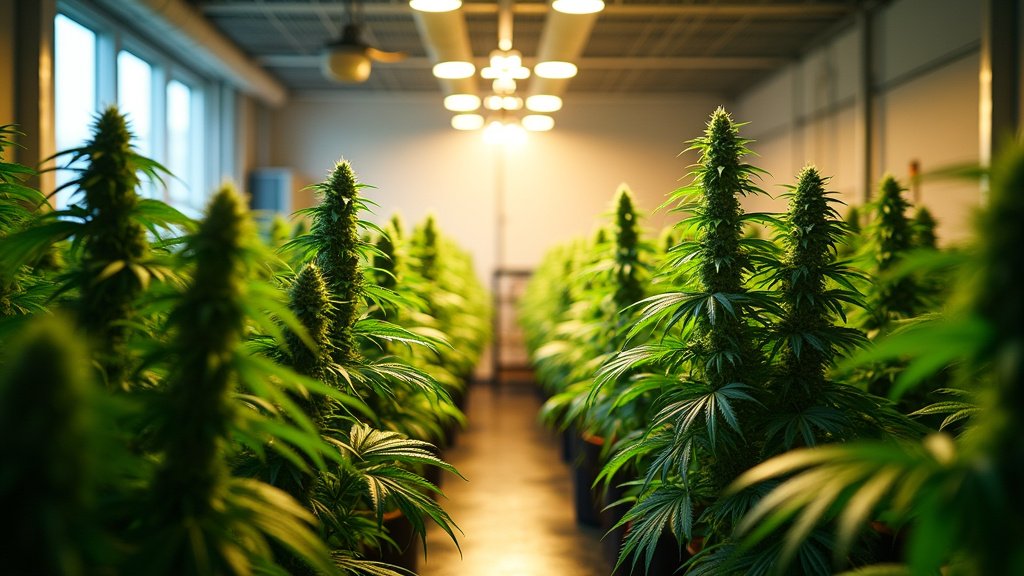
The journey begins with selecting the right location. This decision hinges on whether you plan to cultivate your cannabis indoors or outdoors. Outdoor cultivation offers the advantage of natural sunlight, a crucial element for healthy plant growth. Aim for a spot that receives at least 6 hours of direct sunlight daily. If you are growing indoors, you will need to provide light through grow lights. These lights can be crucial in the vegetative stage where plants require extensive light exposure.
Step 2: Selecting Your Growing Medium
The growing medium is the foundation upon which your plants will thrive. The choice of medium impacts nutrient delivery, water retention, and aeration. Common options include soil, soilless mixes, and hydroponic systems. The best option depends on your experience level and available resources. Soil, a popular choice, offers a natural environment and is relatively easy to manage. Soilless mixes can provide precise control over nutrients.
Step 3: Germination and Plant Selection
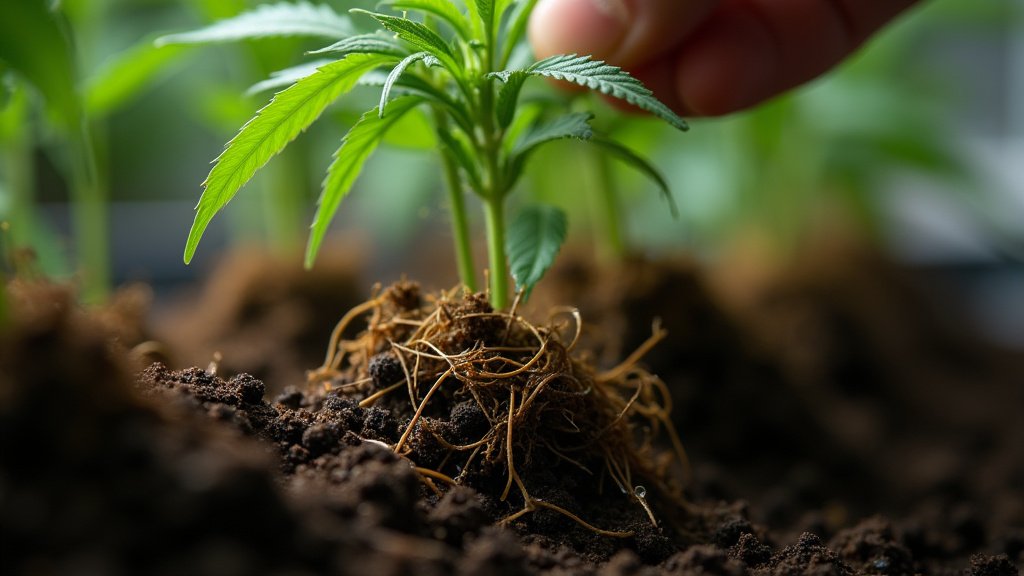
After choosing the perfect place and growing medium, you will have to choose your plant and start the germination process. Germination, the process of sprouting seeds, is a critical initial step. It involves providing seeds with the correct conditions: warmth, moisture, and darkness. After the seed germinates you must choose the right plant, selecting a strain that suits your desired outcome and growing environment.
Step 4: Nutrient Schedules and the Vegetative Stage
With plants ready, it is time for the vegetative stage. Providing the right nutrients is crucial for promoting vigorous growth during the vegetative phase. Use a carefully calibrated nutrient schedule, adjusting the feeding regimen based on the plant’s needs and the chosen growing medium. This stage is marked by rapid growth, with the plant focusing on developing a strong root system, sturdy stems, and lush foliage. Indoor growers often provide 18 hours of light daily at this stage using a timer to manage the light cycle efficiently.
Step 5: The Flowering Stage and Beyond
As the plant matures, it transitions into the flowering stage. This is when the plant begins to produce buds. Light cycles are altered to induce flowering, and nutrient requirements shift. This phase is all about bud development. It’s a critical period that demands careful monitoring and adjustment of environmental conditions. Air circulation becomes especially important during flowering. A gentle breeze is ideal, preventing mold and mildew.
Step 6: Temperature and Air Circulation Considerations
Maintaining the correct environmental conditions is essential for success. Cannabis plants can be sensitive to extreme temperatures. The growing environment should be regulated to ensure optimal conditions. Proper air circulation is also critical, with a slight breeze recommended. Proper airflow prevents mold and helps plants thrive.
Step 7: Harvesting, Curing, and The Grow Cycle Timeline
Harvesting marks the culmination of the growing process. Knowing when to harvest is essential and depends on the maturity of the buds. The curing process follows, involving drying the buds slowly and storing them to enhance flavor and potency. The entire grow cycle, from seed to harvest, can range from 2 weeks to 4 or 5 months, depending on the plant size and desired outcomes.
Step 8-10: Additional Tips
While the steps are complete, successful cultivation often requires ongoing learning. Understanding that each plant and environment is unique, and ongoing research and adaptation are key to success. The final tips often revolve around pest management, and environmental monitoring. Consistent observation, learning, and adaptation will refine your growing process and ensure the production of high-quality cannabis.