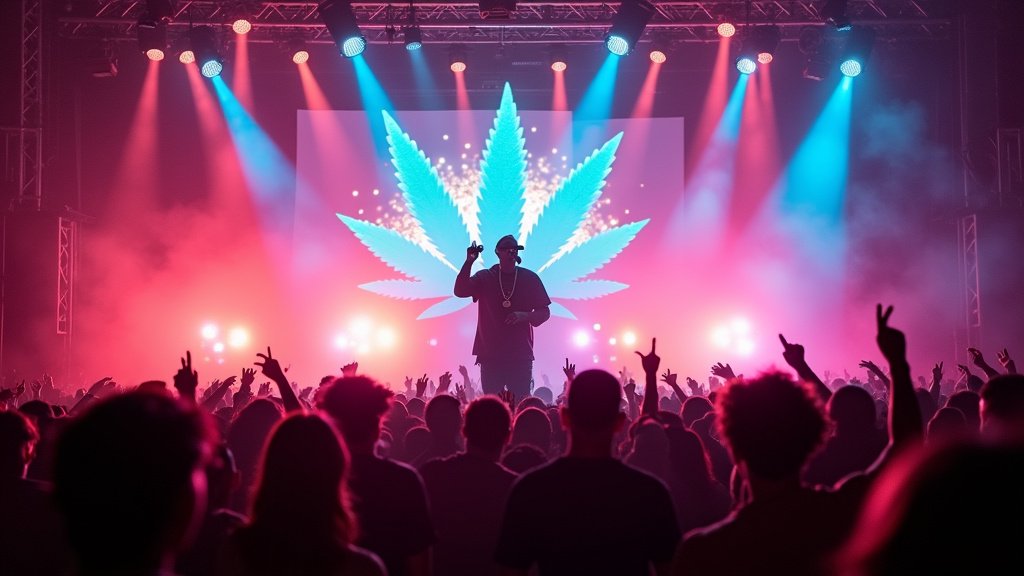
Cannabis brands are increasingly finding their rhythm by leveraging the power of music to enhance their marketing efforts. This strategic alignment is not just a fleeting trend; it’s a full-blown cultural phenomenon, with significant implications for both the cannabis and music industries.
Music as a Marketing Catalyst
The incorporation of music into the ethos of cannabis brands has emerged as a potent marketing tool [11]. This innovative approach goes beyond simple advertising; it fosters a deeper connection with consumers by tapping into the emotional resonance of music. The synergy between the two industries allows brands to cultivate a distinct identity, attract a broader audience, and establish a loyal customer base. The influence of music permeates various aspects of the cannabis experience, from in-store ambiance to product collaborations, reshaping the landscape of how cannabis is marketed and consumed.
Celebrity Endorsements and Brand Creation
Collaborations between cannabis brands and musicians have become a particularly powerful force in this evolving market [11, 13]. The credibility and cultural influence of musical artists provide an instant boost to brand visibility and consumer trust. Iconic figures like Snoop Dogg and Willie Nelson, each with their own established brands, have successfully navigated this intersection, capitalizing on their personal brands to resonate with fans and consumers [11, 13]. The appeal is undeniable; fans are eager to align themselves with the lifestyle and values embodied by their favorite artists, and cannabis brands are eager to capitalize on these associations.
Another avenue for musical influence is partnerships, where artists lend their names to specific cannabis strains or products. Slightly Stoopid, for example, teamed up with Ursa Extracts to launch the Stoopid Fruits live resin vape cartridge [11, 13]. Such collaborations allow brands to access the artist’s dedicated fanbase directly. This form of celebrity endorsement drives sales and fosters brand loyalty. It presents a more authentic experience, one that is often seen as a recommendation from a trusted source.
Retail and Experiential Marketing
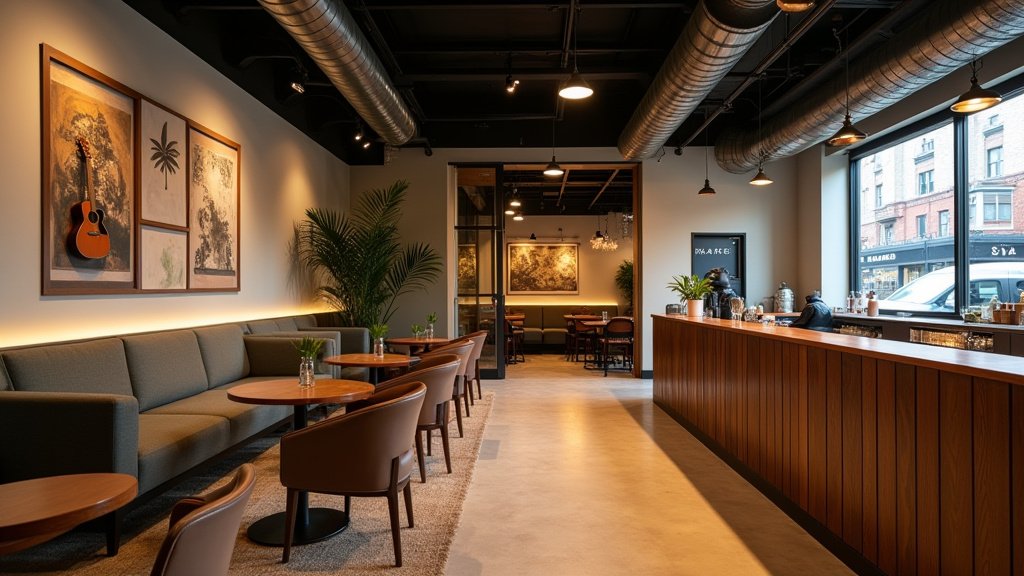
The convergence of cannabis and music extends beyond collaborations. Retail spaces are being transformed to offer immersive experiences that blend the two worlds. Cookies, the brand co-founded by rapper Berner, offers a prime example of this strategy [11, 13]. The brand’s dispensary on U Street in Washington, D.C., provides a tangible connection with the history of music. The chosen location, the birthplace of jazz legend Duke Ellington, demonstrates the brand’s commitment to creating a cultural hub for consumers.
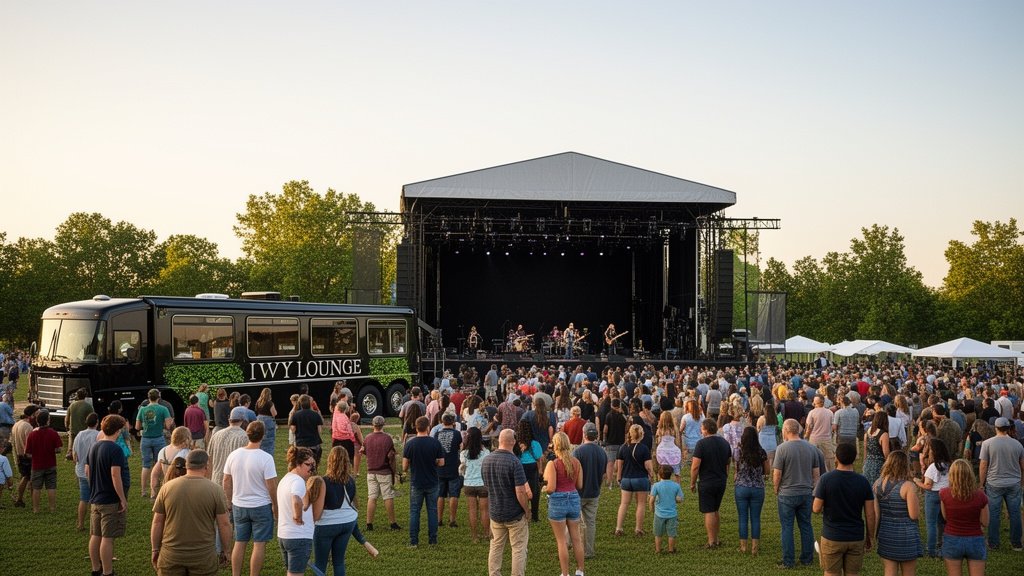
Mango Cannabis provides another example of retail that puts music at its core. The company orchestrated a store opening centered around live music. The event, which included an on-site festival fusing live music and cannabis culture, drew an impressive 10,000 attendees [11, 13]. This demonstrated the potential of music-centric events to generate significant interest and drive traffic. It offers a strong indication of the appetite for immersive cannabis experiences. The creation of atmosphere, which incorporates music, encourages longer customer engagement and brand affinity.
Virtual Integration at Live Music Venues
The innovative integration of cannabis and music is also being explored through virtual platforms, particularly within live music venues [11, 13]. Budr Cannabis, based in West Hartford, Connecticut, has broken new ground in this respect. The company is one of the first in the United States to offer a virtual ordering service within a live music venue [11, 13]. Concertgoers are given the opportunity to order cannabis products directly from their smartphones. This forward-thinking initiative demonstrates a commitment to providing consumers with seamless and convenient access to products. It also showcases the ability to utilize technological innovation to cater to consumer preferences.