Growing your own cannabis can seem daunting, but by understanding the fundamental needs of the plant and following a structured approach, successful cultivation is within reach. This guide offers straightforward advice to navigate the process from seed to harvest.
Understanding Cannabis Basics
At its core, cannabis cultivation relies on providing the plant with its essential requirements: light, a suitable growing medium, adequate air circulation, controlled temperatures, proper nutrients, and consistent water. Mastering these elements forms the foundation for healthy plant development and optimal yields.
Lighting: The Key to Growth Stages
Light plays a critical role in dictating the growth phases of cannabis. During the vegetative stage, plants thrive under a long light cycle, typically 18 hours of light followed by 6 hours of darkness. This extended light period encourages vigorous leafy growth. To initiate the flowering stage, where buds begin to form, growers must switch to a strict 12-hour light and 12-hour darkness schedule. This precise change signals the plant to shift its energy towards reproduction.
Environmental Controls: Temperature and Humidity
Maintaining the right environmental conditions is paramount. For optimal vegetative growth, cannabis plants prefer temperatures between 70-85°F (21-30°C). While they can tolerate a broader range, consistently avoiding extreme heat or cold is crucial. Humidity levels also vary by growth stage; seedlings benefit from a higher humidity environment, around 65-70%. As plants mature, they generally prefer slightly lower humidity levels.
Choosing Your Growing Medium
Growers have several options for growing mediums. Traditional soil remains a popular choice, offering a familiar and forgiving environment. Coco coir, a byproduct of the coconut industry, provides excellent aeration and water retention. For those seeking advanced control, hydroponic systems, where plants grow in nutrient-rich water without soil, can yield impressive results.
Nutrient Management
Cannabis plants require a balanced diet of nutrients, with specific needs changing throughout their life cycle. Nitrogen is particularly vital during the vegetative phase, supporting robust leaf and stem growth. As the plant transitions into flowering, the nutrient balance needs to shift, with an increased emphasis on phosphorus and potassium to promote bud development. Growers can opt for commercially available pre-formulated nutrients or prepare their own rich composted super soil.
Outdoor vs. Indoor Cultivation
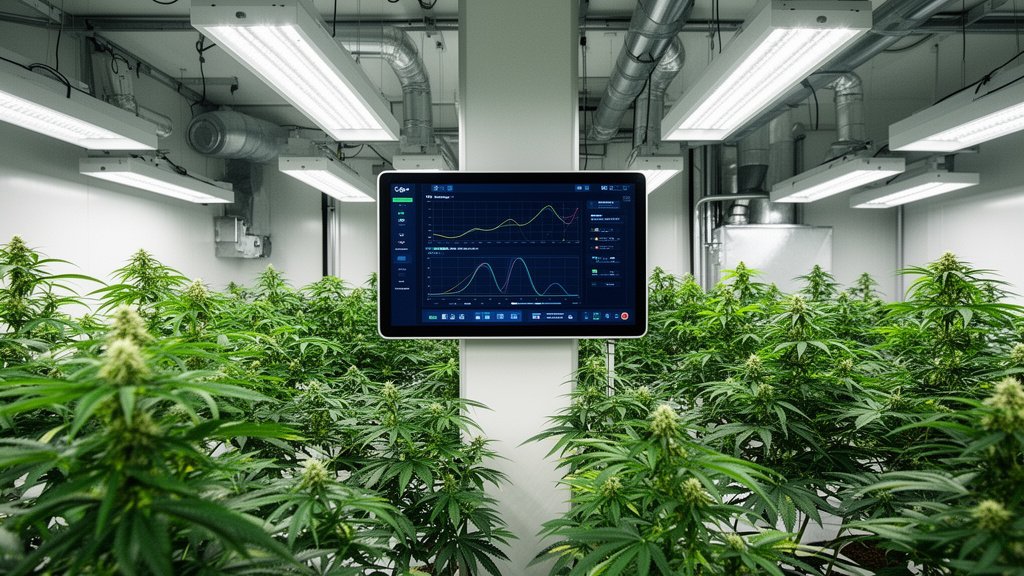
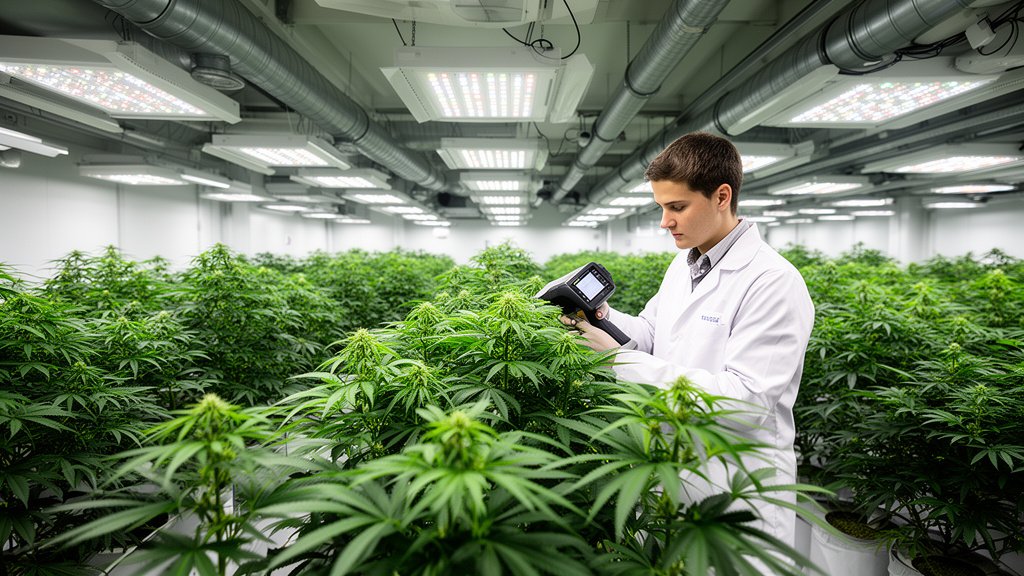
For those considering outdoor cultivation, selecting a location with at least six months of warm, sunny weather is essential. Good airflow is also important to prevent mold and mildew, and some protection from strong winds is advisable. In outdoor settings, maintaining an ideal soil pH of around 6.0 will facilitate nutrient uptake. Indoor growing offers greater control over environmental variables, often utilizing specialized grow tents equipped with ventilation systems to meticulously manage temperature, humidity, and air exchange.
Key Cultivation Stages
The cultivation journey is typically divided into distinct stages: germination, where the seed sprouts; the seedling stage, requiring gentle light and high humidity; the vegetative growth stage, focused on building plant structure; and the flowering stage, triggered by light cycle changes and leading to bud development.
Sexing Your Plants and Harvesting
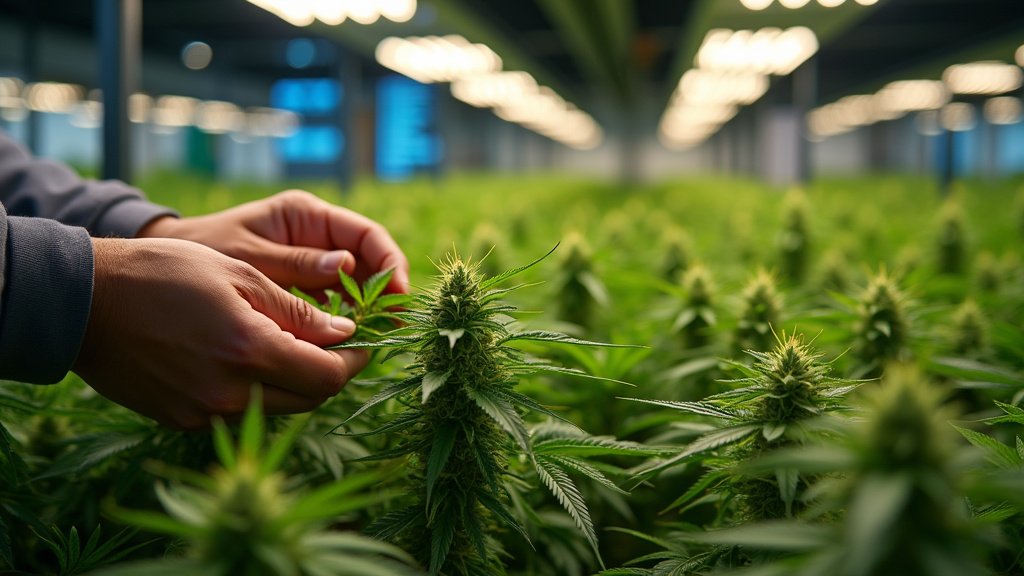
Unless using feminized seeds, it’s important to identify and remove male plants before they pollinate the females, as this can negatively impact bud production. Harvesting at the correct time is critical for both yield and cannabinoid quality. Following the harvest, drying and curing are essential post-processing steps. These processes, typically conducted in a dark space with controlled temperatures (60-70°F) and humidity (50-60%), help preserve the plant’s aroma, smoothness, and potency.
Conclusion
By adhering to these fundamental principles of light, environment, nutrients, and proper post-harvest techniques, growers can significantly increase their chances of a successful and rewarding cannabis cultivation experience. Each step, from providing the right light schedule to carefully drying the harvested buds, contributes to the final quality of the product.