The beverage aisle is undergoing a vibrant transformation, with cannabis-infused drinks emerging as a dynamic and rapidly expanding category. Far from a niche market, these sophisticated beverages are capturing consumer attention through innovation, wellness-focused formulations, and a compelling alternative to traditional alcoholic drinks. As 2025 unfolds, the future of cannabis beverages is poised for significant growth, driven by evolving consumer preferences and technological advancements.
The Market Explodes: Projections and North American Dominance
The global cannabis beverage market is on an upward trajectory, with various analysts projecting substantial growth. While estimates vary, the market is anticipated to reach anywhere from USD 1.05 billion by 2032 with a CAGR of 22.7%, to an astounding USD 24.6 billion by 2035 with a CAGR of 37.3%. In North America, the market already holds a leading position, accounting for an estimated 37.2% share in 2025. The United States, in particular, is a powerhouse, with its cannabis beverage market valued at approximately USD 1.45 billion in 2025 and projected to reach USD 3.85 billion by 2032. This expansion is fueled by increasing legalization across U.S. states and Canada, coupled with a growing consumer openness to cannabis-infused products. Despite making up a smaller percentage of total cannabis sales, beverages are the fourth-largest edible category, indicating significant room for growth.
Innovation Driving the Experience: Nanoemulsion, Blends, and Functional Formulations
A key driver of this market’s success is innovation in formulation and delivery. Advanced nanoemulsion technology has revolutionized how cannabinoids are absorbed, leading to a faster onset of effects – often within 5 to 15 minutes. This rapid and predictable experience appeals to a broader consumer base than traditional edibles. Beyond THC and CBD, the market is seeing the rise of diverse cannabinoid blends, incorporating compounds like CBG, CBN, and CBC to target specific effects such as relaxation, focus, or energy. Furthermore, cannabis beverages are increasingly positioned as wellness products, integrating functional ingredients like adaptogens, nootropics, vitamins, and herbal extracts such as ashwagandha, turmeric, and green tea. This aligns with the broader health and wellness movement, making these drinks an attractive option for health-conscious consumers.
The Rise of the ‘Sober Curious’ and Sophisticated Palates
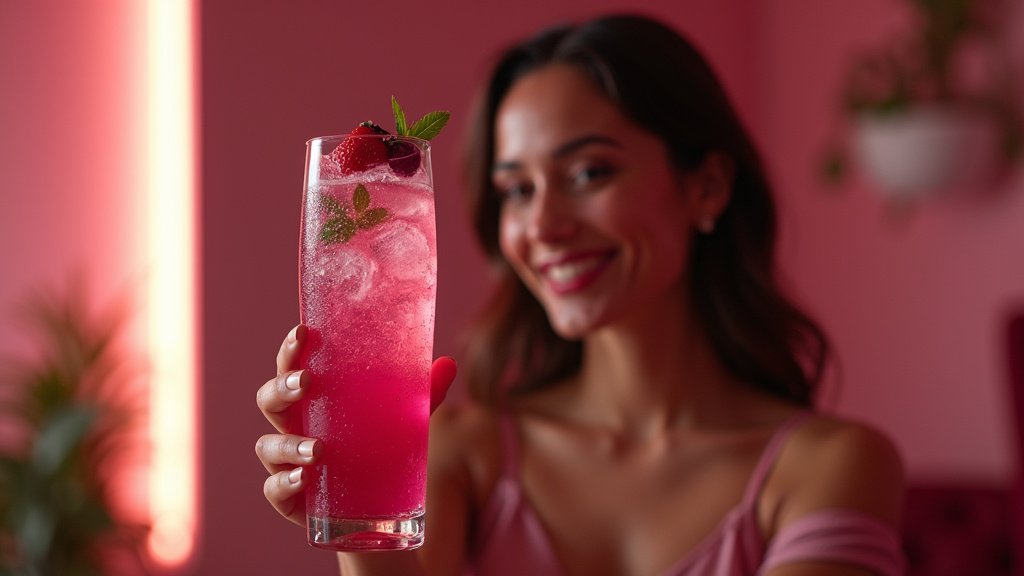
Cannabis-infused beverages are increasingly serving as a desirable alternative to alcohol. With a growing number of consumers embracing the ‘sober curious’ lifestyle or seeking healthier social options, these drinks offer the relaxing and euphoric effects similar to cocktails but without the drawbacks of a hangover. This trend is particularly resonant with younger demographics, including Millennials and Gen Z, who are actively reducing their alcohol consumption. The flavor profiles of these beverages are also maturing significantly. Brands are moving beyond basic options, experimenting with sophisticated flavors inspired by craft cocktails and gourmet ingredients, featuring notes like ginger-lime, hibiscus-berry, and blood orange. This focus on taste and premiumization caters to discerning consumers looking for an elevated drinking experience.
Branding, Sustainability, and the Mainstream Push
The sophistication extends to branding and packaging. Companies are increasingly prioritizing sustainability, opting for recyclable cans and eco-friendly packaging to appeal to environmentally conscious consumers. Premium branding and craft offerings are also on the rise, with manufacturers emphasizing superior ingredients and design to position their products as upscale alternatives. As regulatory landscapes evolve and social acceptance grows, cannabis-infused beverages are making their way into mainstream retail channels, including grocery stores and restaurants, further accelerating their market penetration.
Navigating the Evolving Landscape
Despite the rapid growth, the cannabis beverage market is not without its challenges. Regulatory uncertainties, particularly at the federal level in the U.S., create inconsistencies in state laws, impacting distribution and marketing. Consumer education remains a critical aspect, as many potential buyers are still unfamiliar with precise dosing and expected effects. However, the industry is actively working with lawmakers to establish clearer regulations and standards. The integration of these trending beverages into social settings, even potentially at events featuring live music, signifies a broader cultural shift. News related to further legalization or regulatory changes continues to shape the industry’s path forward.
Conclusion: A New Era of Consumption
The cannabis-infused beverage sector is redefining what it means to consume cannabis, offering a discreet, convenient, and often health-forward option. With continuous innovation in formulation, a keen understanding of consumer desires for wellness and social alternatives, and a growing acceptance, these beverages are no longer a niche curiosity. As the market matures and expands, cannabis-infused drinks are solidifying their place as a significant and exciting category in the global beverage industry for years to come.