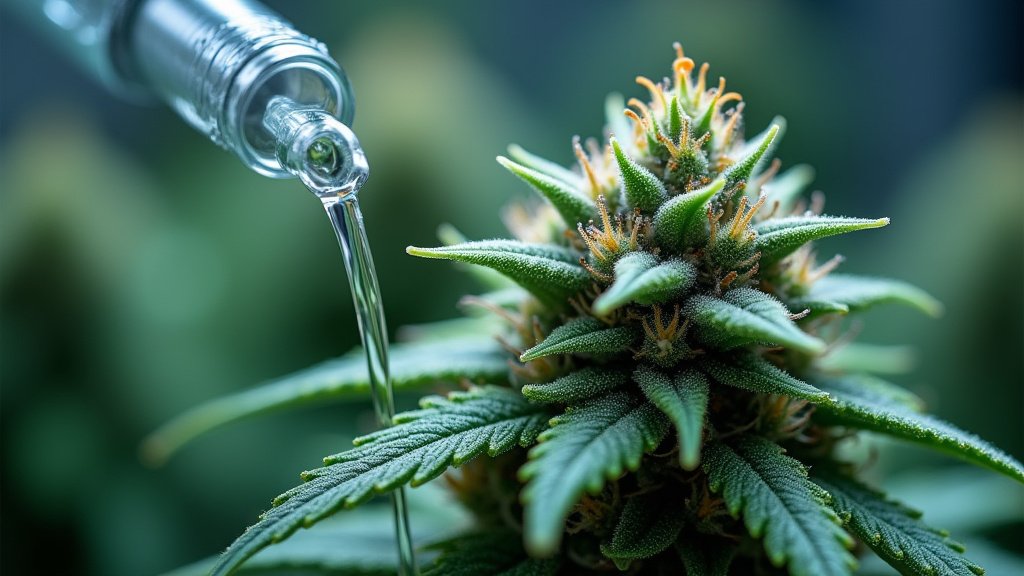
Understanding Powdery Mildew
Powdery mildew is a pervasive and challenging fungal disease that affects a wide range of plants, including cannabis. It is identifiable by its distinctive white, powdery spots that typically appear on leaves, stems, and buds. The fungus thrives in environments with high humidity and moderate temperatures, spreading rapidly if left unchecked. For cannabis growers, powdery mildew not only affects the plant’s health but also impacts yield and quality, making it essential to manage this disease effectively.
The Importance of Organic Treatment
Organic treatment methods are crucial for several reasons. Firstly, they avoid the use of harmful chemicals that can compromise the integrity and safety of cannabis, particularly for medicinal use. Chemical fungicides may leave residues that are undesirable in consumable products. Additionally, organic treatments are environmentally friendly, reducing the risk of soil and water contamination. They also help maintain the balance of the ecosystem in and around the growing area, promoting biodiversity and the presence of beneficial organisms.
Scope of This Guide
This comprehensive guide is designed to provide cannabis growers with detailed information on how to identify, treat, and prevent powdery mildew using organic methods. We will cover various aspects including the biology of powdery mildew, different types of mold that can affect cannabis, the ideal conditions for mildew growth, and effective organic treatments. By the end of this guide, readers will have a thorough understanding of how to maintain healthy cannabis plants without resorting to chemical fungicides.
What is Powdery Mildew?
Identifying Powdery Mildew
Powdery mildew manifests as white or gray powdery spots on the leaves, stems, and buds of cannabis plants. These spots often start small but can quickly spread, covering large areas if not managed early. One of the first signs of powdery mildew is the appearance of these powdery patches on the underside of leaves, which may go unnoticed initially. As the infection progresses, leaves may yellow, curl, or distort, and in severe cases, buds can become completely covered and rendered unusable.
Life Cycle of Powdery Mildew
Understanding the life cycle of powdery mildew is critical for effective control. The fungus reproduces through spores, which are released into the air and can infect plants upon contact. These spores germinate in conditions of high humidity and moderate temperatures, forming a mycelium that spreads across plant surfaces. Powdery mildew spores can survive on plant debris and in the soil, making it a persistent problem that can reoccur if not properly managed. The life cycle includes asexual reproduction, allowing the fungus to spread rapidly and infect multiple plants in a short period.
Impact on Cannabis Plants
The presence of powdery mildew can severely affect cannabis plants by reducing their photosynthetic ability, leading to stunted growth and decreased yields. Infected leaves are unable to effectively capture sunlight, which is crucial for the plant’s energy production. Moreover, if powdery mildew spreads to the buds, it can compromise their quality and potency, making them unsuitable for consumption. For growers, this not only affects the harvest but also has economic implications, especially for those cultivating cannabis for medicinal or commercial purposes.
Types of Mold Affecting Cannabis Plants
Botrytis (Bud Rot)
Botrytis cinerea, commonly known as bud rot, is another fungal disease that poses a significant threat to cannabis plants. It primarily affects the dense buds of cannabis, causing them to turn gray and mushy from the inside out. Botrytis thrives in conditions of high humidity and poor air circulation, similar to powdery mildew. Early signs of bud rot include the appearance of small, dark spots on buds, which quickly expand and cause the entire bud to decay. Preventing botrytis involves ensuring adequate air circulation and avoiding excessive moisture in the growing environment.
Downy Mildew
Downy mildew, though less common than powdery mildew, can still significantly impact cannabis cultivation. It is characterized by yellow or white spots on the upper surfaces of leaves, with a corresponding grayish mold on the undersides. This type of mildew prefers cool, moist conditions and can spread rapidly in such environments. Downy mildew infections can lead to leaf drop and reduced plant vigor. Controlling downy mildew requires similar strategies to those used for powdery mildew, including maintaining proper humidity levels and ensuring good air flow.
Sooty Mold
Sooty mold is not a pathogen of the plant itself but grows on the honeydew excreted by pests such as aphids and whiteflies. It appears as a black, powdery coating on leaves and stems, which can impede photosynthesis by blocking sunlight. While sooty mold does not directly harm the plant, its presence indicates an underlying pest problem that needs to be addressed. Managing sooty mold involves controlling the pest population that produces honeydew and cleaning the affected plant surfaces to restore normal photosynthetic function.
Alternaria
Alternaria is a genus of fungi that can cause leaf spots and blights on cannabis plants. These fungi prefer warm, moist conditions and can lead to significant yield losses if not controlled. Symptoms include dark, circular spots with concentric rings on leaves, which may coalesce and cause leaf drop. Alternaria can also affect stems and flowers, further compromising plant health. Effective management includes improving air circulation, reducing leaf wetness, and applying appropriate organic fungicides.
Climates and Conditions Favoring Powdery Mildew
Temperature and Humidity
Powdery mildew thrives in specific climatic conditions, particularly where temperatures range between 60-80°F and relative humidity is high. These conditions are often found in indoor grow rooms or greenhouses where environmental factors are controlled but can sometimes be challenging to manage. Even outdoor plants can be susceptible during cool, damp weather. Monitoring and controlling these conditions is crucial for preventing powdery mildew outbreaks. Tools like hygrometers and thermometers can help growers keep an eye on environmental conditions and make necessary adjustments.
Air Circulation
Poor air circulation is one of the primary contributors to the development and spread of powdery mildew. When air is stagnant, moisture tends to accumulate around plant surfaces, creating a perfect breeding ground for the fungus. Ensuring proper ventilation is key to preventing mildew. This can be achieved by using oscillating fans, exhaust systems, and strategically placing plants to avoid overcrowding. Good air movement helps keep the foliage dry and reduces the chances of fungal spores settling and germinating.
Light Exposure
Powdery mildew prefers shaded or low-light conditions. Ensuring your cannabis plants receive adequate light can help deter the growth of mildew. This is particularly important in indoor growing environments where light intensity can be controlled. Using high-quality grow lights and ensuring an even distribution of light can prevent shaded areas that favor mildew growth. Additionally, light exposure can directly inhibit the development of powdery mildew spores, making it a vital component of integrated pest management.
Preventative Measures
Proper Spacing and Pruning
Maintaining proper plant spacing and regular pruning are essential practices for preventing powdery mildew. Adequate spacing ensures that air can circulate freely around each plant, reducing humidity levels and drying out moisture on leaf surfaces. Pruning helps by removing excess foliage that can harbor fungal spores and create microclimates conducive to mildew growth. Regularly inspect plants and remove any dead or diseased leaves to prevent the spread of spores.
Adequate Air Circulation
Effective air circulation is a cornerstone of powdery mildew prevention. In addition to using fans and ventilation systems, consider the layout of your grow area. Avoid placing plants too close to walls or each other, as this can restrict airflow. In greenhouses or indoor grow rooms, exhaust fans can help remove humid air and bring in fresh, drier air. Regularly checking and maintaining these systems ensures they operate efficiently and provide the necessary air movement to keep plants healthy.
Humidity Control
Controlling humidity levels is critical for preventing powdery mildew. Aim to keep relative humidity below 50%, especially during the night when moisture can condense on plant surfaces. Dehumidifiers are useful tools for maintaining optimal humidity levels, particularly in enclosed growing environments. In addition, proper watering techniques can help; avoid overwatering and ensure that the soil has good drainage. Using moisture meters can help monitor soil moisture levels and prevent excessive humidity from developing.
Resistant Strains
Choosing cannabis strains that are resistant to powdery mildew can significantly reduce the risk of infection. Breeders have developed various strains with enhanced resistance to common fungal diseases, including powdery mildew. These strains are genetically less susceptible to infection, making them a practical choice for growers in areas prone to mildew. Research and select strains known for their resilience, and incorporate them into your cultivation plan to minimize the need for treatments.
Organic Treatments for Powdery Mildew
Neem Oil
Neem oil is a widely used organic treatment for powdery mildew. Extracted from the seeds of the neem tree, it contains azadirachtin, which has antifungal properties. Neem oil disrupts the life cycle of powdery mildew by interfering with spore germination and mycelial growth. It is also effective against a range of other pests and diseases, making it a versatile tool in integrated pest management. To use neem oil, mix it with water and a small amount of soap to help it adhere to plant surfaces, then spray thoroughly, ensuring complete coverage.
Potassium Bicarbonate
Potassium bicarbonate is a safe and effective fungicide for controlling powdery mildew. It works by raising the pH level on the leaf surface, creating an environment that is inhospitable to the fungus. When applied, potassium bicarbonate kills powdery mildew on contact and helps prevent new infections. It is non-toxic and can be used up to the day of harvest, making it ideal for organic cannabis cultivation. To apply, dissolve potassium bicarbonate in water and spray it evenly on affected plants.
Baking Soda Solution
A simple and cost-effective solution for powdery mildew is a baking soda spray. Baking soda, or sodium bicarbonate, creates an alkaline environment on the leaf surface that inhibits fungal growth. To make a baking soda spray, mix one tablespoon of baking soda with one gallon of water and add a few drops of liquid soap. Spray the solution on the infected plants, covering all surfaces. Regular application can help control and prevent powdery mildew outbreaks.
Milk Spray
Milk has natural antifungal properties that can help control powdery mildew. The proteins in milk act as a natural antiseptic and can reduce the severity of mildew infections. A common recipe is to mix 40% milk with 60% water and spray it on the affected plants. This treatment is safe and non-toxic, making it suitable for use throughout the growing season. Milk sprays are most effective when applied regularly, especially in the early morning or late afternoon when sunlight is not too intense.
Apple Cider Vinegar
Apple cider vinegar is another organic option for treating powdery mildew. Its acidic nature helps to lower the pH on the leaf surface, making it difficult for the fungus to thrive. To use apple cider vinegar, mix two to three tablespoons with one gallon of water and spray the mixture on the plants. This treatment should be applied every few days until the mildew is under control. It is a natural and safe way to manage mildew without the use of harsh chemicals.
Garlic Extract
Garlic contains sulfur compounds that have potent antifungal properties. A garlic extract spray can be an effective organic treatment for powdery mildew. To make the extract, blend a few cloves of garlic with water, strain the mixture, and spray it on the plants. Garlic spray not only helps control mildew but also repels various pests. Regular application can keep mildew at bay and improve overall plant health.
Sulfur Fungicides
Sulfur is a well-known organic fungicide that has been used for centuries to control powdery mildew and other fungal diseases. Sulfur disrupts the metabolism of fungal cells, effectively killing the fungus. It can be applied as a dust or mixed with water to create a spray. Sulfur treatments are highly effective but should be used with caution, as excessive sulfur can harm plants. It is important to follow recommended dosages and avoid applying sulfur during hot weather to prevent plant damage.
How to Apply Organic Treatments
Spraying Techniques
Proper spraying techniques are crucial for the effectiveness of organic treatments. Ensure that the spray covers all parts of the plant, including the undersides of leaves where powdery mildew often begins. Use a fine mist sprayer to achieve even coverage without causing runoff. It is also important to shake or mix the solution frequently during application to ensure consistency. Spraying should be done in the early morning or late evening to avoid the heat of the day, which can cause the solution to evaporate quickly or damage the plants.
Frequency of Application
Consistency is key when applying organic treatments. Most treatments should be applied every 7-10 days to effectively manage powdery mildew. In cases of severe infestation, treatments may need to be applied more frequently, such as every 3-5 days, until the mildew is under control. It is also important to reapply treatments after heavy rain or watering, as moisture can wash away the protective barrier. Regular monitoring and timely application can prevent powdery mildew from gaining a foothold.
Safety Precautions
While organic treatments are generally safer than chemical fungicides, it is still important to take safety precautions. Always wear protective gear, such as gloves and masks, to avoid skin irritation and inhalation of sprays. Ensure good ventilation when applying treatments in enclosed spaces to prevent the buildup of fumes. Avoid contact with eyes and wash hands thoroughly after handling any treatment solutions. Keeping safety in mind ensures that both the grower and the plants remain healthy during the treatment process.
Natural Predators and Biological Controls
Beneficial Insects
Introducing beneficial insects into the growing environment can help control pests that contribute to mold problems. For example, ladybugs and lacewings prey on aphids and other insects that produce honeydew, which can attract sooty mold. These beneficial insects can be purchased from garden centers or online suppliers and released into the grow area. They provide a natural, biological control method that reduces the need for chemical interventions and helps maintain a healthy ecosystem.
Mycoparasites
Mycoparasites are fungi that parasitize other fungi, including powdery mildew. Trichoderma is a well-known mycoparasitic fungus that can be used to control powdery mildew. It competes with and destroys the mildew, reducing its spread and severity. Trichoderma can be applied as a soil amendment or foliar spray. It is an effective biological control agent that enhances plant health by improving root growth and nutrient uptake while combating fungal pathogens.
Integrated Pest Management (IPM)
Using an integrated pest management (IPM) approach combines multiple strategies to control powdery mildew and other pests. IPM involves monitoring and identifying pests, setting action thresholds, and using a combination of biological, cultural, physical, and chemical control methods. For powdery mildew, this might include maintaining proper environmental conditions, introducing beneficial insects, applying organic fungicides, and removing infected plant material. An IPM approach ensures comprehensive and sustainable pest management.
DIY Organic Remedies
Homemade Fungicidal Sprays
Creating homemade fungicidal sprays can be an effective and affordable way to manage powdery mildew. Common ingredients include baking soda, water, and a few drops of dish soap to act as a surfactant. Another recipe might combine milk and water, or garlic extract and water. These homemade solutions can be just as effective as commercial products when applied correctly. Experimenting with different recipes and monitoring their effectiveness allows growers to find the best solution for their specific conditions.
Companion Planting
Companion planting involves growing certain plants together that benefit each other. Some plants have natural pest-repellent properties that can help protect cannabis from pests and diseases. For example, planting basil near cannabis can repel whiteflies and aphids, while marigolds can deter nematodes and other soil pests. Companion planting not only helps manage pests and diseases but also promotes biodiversity and improves soil health. Incorporating these practices into your growing plan can enhance plant health and yield.
Soil Health and Amendments
Healthy soil is the foundation of healthy plants. Ensuring that your cannabis plants are grown in nutrient-rich, well-draining soil can help prevent diseases like powdery mildew. Adding organic matter such as compost or worm castings improves soil structure and fertility. Mycorrhizal fungi and beneficial bacteria can also be added to enhance soil health and plant resilience. Healthy soil supports robust plant growth, making them less susceptible to diseases and pests.
FAQs
Can powdery mildew affect the potency of cannabis?
Yes, powdery mildew can affect the potency and quality of cannabis. Severe infestations can damage the buds, reducing their cannabinoid content and making them less desirable for consumption. Infected buds may also have an unpleasant taste and smell. Managing powdery mildew early and effectively is essential to preserving the quality of the final product.
How often should I apply organic treatments?
Organic treatments should typically be applied every 7-10 days to maintain their effectiveness. In cases of severe infestation, more frequent applications may be necessary. It is also important to reapply treatments after heavy rain or watering, as moisture can wash away the protective barrier. Consistent application ensures that the treatment remains effective and prevents the fungus from gaining a foothold.
Can I use multiple treatments at once?
Yes, combining multiple organic treatments can enhance their effectiveness. For example, using neem oil and baking soda together can provide broader protection against powdery mildew. However, it is important to test combinations on a small area first to ensure there is no adverse reaction. Always follow recommended dosages and application methods to avoid damaging the plants.
How can I tell if my treatment is working?
Signs that your treatment is working include a reduction in the appearance of white powdery spots and improved overall plant health. Leaves that were previously infected may still show some damage, but new growth should be healthy and free of mildew. Regular monitoring and documentation of your plants’ progress can help you assess the effectiveness of your treatment.
Are there any risks to using organic treatments?
While organic treatments are generally safer than chemical fungicides, improper use can still harm plants. Overapplication or incorrect mixtures can cause leaf burn or other damage. It is important to follow recommended dosages and application guidelines. Additionally, some treatments may have a strong odor or could be irritating to humans, so always wear protective gear and work in a well-ventilated area.
Can indoor plants get powdery mildew?
Yes, indoor plants can get powdery mildew if conditions like high humidity and poor air circulation are present. Indoor growing environments can sometimes create perfect conditions for mildew, making it essential to monitor and control environmental factors. Using fans, dehumidifiers, and proper ventilation can help prevent mildew outbreaks indoors.
Summary of Key Points
Powdery mildew is a common but manageable fungal disease affecting cannabis plants. Using organic treatments and preventative measures can effectively control and prevent its spread. Key strategies include maintaining proper environmental conditions, choosing resistant strains, and applying organic fungicides regularly. By understanding the life cycle of powdery mildew and implementing integrated pest management practices, growers can protect their cannabis crops and ensure healthy, high-quality yields.
Final Tips for Preventing Powdery Mildew
Preventing powdery mildew requires a proactive approach. Regularly inspect your plants for early signs of mildew, maintain optimal humidity and temperature levels, and ensure adequate air circulation. Use organic treatments as part of a comprehensive pest management plan, and consider incorporating beneficial insects and mycoparasites to enhance plant resilience. By staying vigilant and adopting best practices, you can effectively manage powdery mildew and enjoy successful cannabis cultivation.