California Unveils Stricter Environmental Standards for Cannabis Cultivators
SACRAMENTO, CA – The California Department of Food and Agriculture (CDFA) announced on Friday, June 6, 2025, the public release of significantly updated sustainability guidelines specifically tailored for licensed cannabis cultivators operating throughout the Golden State. These revised recommendations represent a concerted effort by state regulators to minimize the environmental footprint of California’s burgeoning legal cannabis industry, addressing critical areas such as resource consumption and ecological preservation.
At the core of the new CDFA guidelines are enhanced standards focusing heavily on three principal pillars: advanced water conservation techniques, improved energy efficiency standards, and the widespread adoption of robust integrated pest management (IPM) protocols. These focus areas were identified as having the most substantial potential for environmental impact reduction within cultivation operations, from small indoor grows to large outdoor farms.
The section on water conservation introduces more rigorous expectations for efficient water use. It goes beyond simple recommendations, detailing improvements in irrigation technology. Cultivators are encouraged to transition from less efficient methods to precision irrigation systems, such as drip irrigation or automated watering systems that respond to plant needs and environmental conditions. The guidelines also promote strategies for water recapture and reuse, emphasizing drought resilience and responsible stewardship of California’s precious water resources, particularly vital in arid and semi-arid regions of the state.
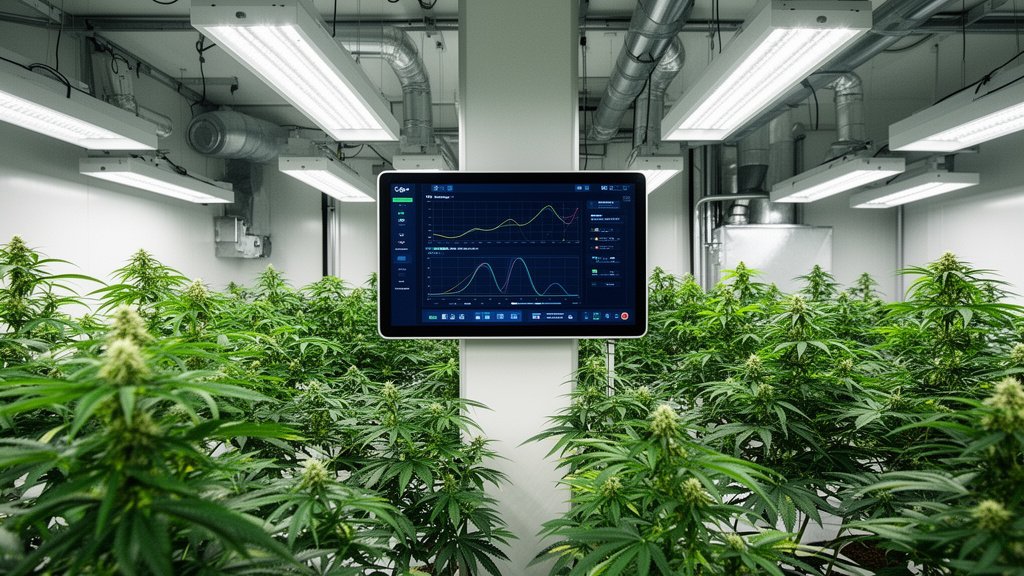
Energy efficiency standards are another major component of the updated guidance. Recognizing that cannabis cultivation, especially indoor and mixed-light operations, can be energy-intensive, the CDFA is pushing for a significant reduction in energy consumption and a shift towards cleaner energy sources. The guidelines provide specific advice on transitioning to renewable energy sources for operations. This includes exploring options like installing solar panels on site, purchasing renewable energy credits, and implementing energy-saving practices such as optimizing lighting schedules, utilizing high-efficiency LED lighting, and conducting regular energy audits to identify areas for improvement. The aim is to lower electricity bills for growers while simultaneously reducing the industry’s overall carbon footprint.
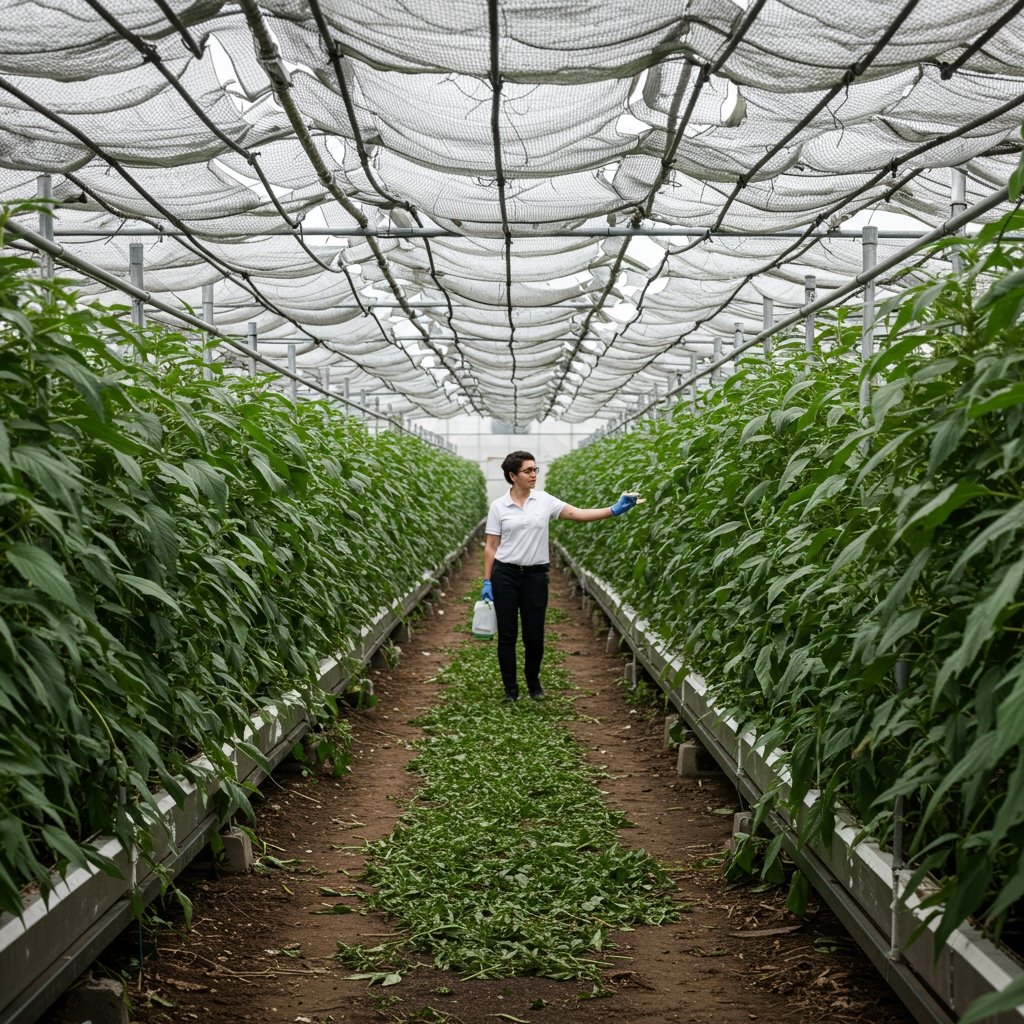
Integrated Pest Management (IPM) protocols detailed in the new guidelines build upon existing best practices but place a stronger emphasis on minimizing the use of synthetic pesticides and herbicides. The recommendations promote a holistic approach to pest and disease management, encouraging biological controls, habitat manipulation, mechanical controls, and the use of low-risk pesticides only when absolutely necessary and targeted. By reducing reliance on broad-spectrum chemicals, the CDFA seeks to protect worker health, consumer safety, and the surrounding ecosystems from potentially harmful runoff and residue.
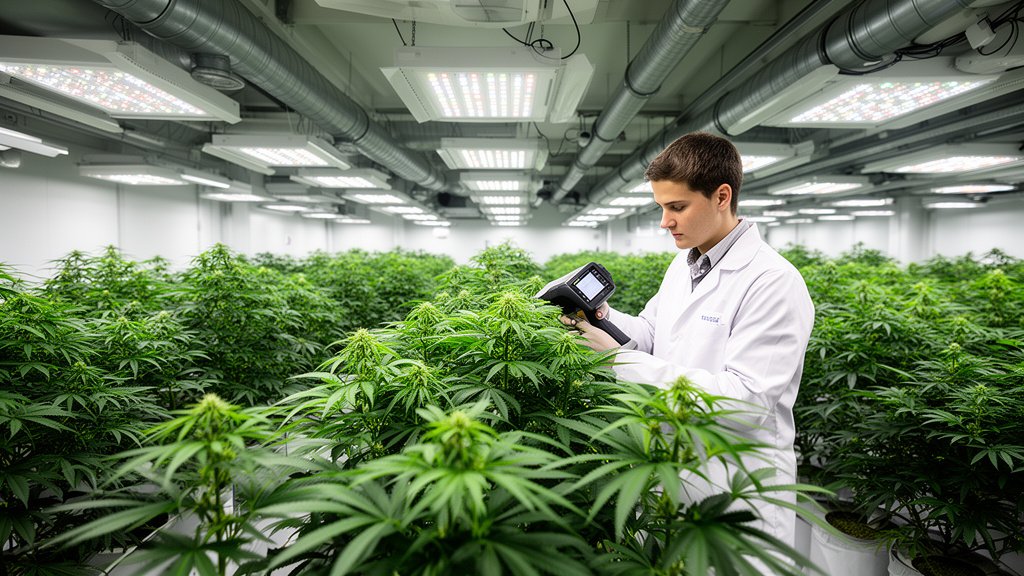
The development of these updated guidelines was informed by the integration of recent research and scientific findings. Notably, the CDFA guidelines incorporate findings from a UC Davis study on optimized resource use in cannabis cultivation. This research provided valuable data and insights into the most effective methods for conserving water and energy while maintaining crop quality and yield. By grounding the guidelines in peer-reviewed science, the state aims to ensure that the recommendations are both environmentally effective and practically achievable for cultivators.
Industry analysts following the regulatory landscape have commented on the significance of these updates. They note that achieving compliance with the new guidelines will require significant adjustments for many growers across the state, particularly those who have not yet heavily invested in sustainable technologies and practices. The upfront costs of upgrading irrigation systems, installing solar power, or overhauling pest management strategies can be substantial. However, analysts also point out that adopting these practices can lead to long-term cost savings through reduced water and energy bills and potentially improved marketability for sustainably grown cannabis products.
Licensed cultivators are now tasked with reviewing the detailed guidelines and developing strategies to align their operations with the new standards. The CDFA has established a mandated deadline in Q1 2026 for cultivators to demonstrate compliance with the updated requirements. While challenges are anticipated during this transition period, the state government and industry stakeholders are expected to collaborate on educational resources and potentially technical assistance programs to help growers navigate the changes.
Overall, the release of these updated sustainability guidelines by the CDFA marks a critical step in California’s ongoing effort to regulate the cannabis industry responsibly and ensure its development does not come at a significant environmental cost. By pushing for enhanced water conservation, energy efficiency, and IPM, the state is setting a higher bar for environmental stewardship within the legal cannabis market, encouraging a more sustainable future for cultivation in California.