As the cannabis industry continues its rapid evolution, the period from June 27 to July 03, 2025, yielded significant discussions and updates across science, technology, and regulation. Cannabis Science and Technology magazine’s “Best of the Week” highlights underscored critical developments, ranging from cutting-edge cultivation research focused on regional climate adaptation to pivotal shifts in regulatory landscapes and compliance requirements.
Advancing Cultivation Science Through Regional Data
A central focus of the week’s insights was a compelling podcast discussion delving into the evolving field of cannabis cultivation. Hosted by industry analyst Evan Friedmann, the episode featured distinguished experts Dr. Daniela Vergara, a Hemp Specialist at the Cornell Cooperative Extension, and Dr. Anna Schwabe, an Associate Lecture Professor at the University of Colorado. Their conversation illuminated the increasingly urgent need for granular regional climate data to optimize cannabis farming practices.
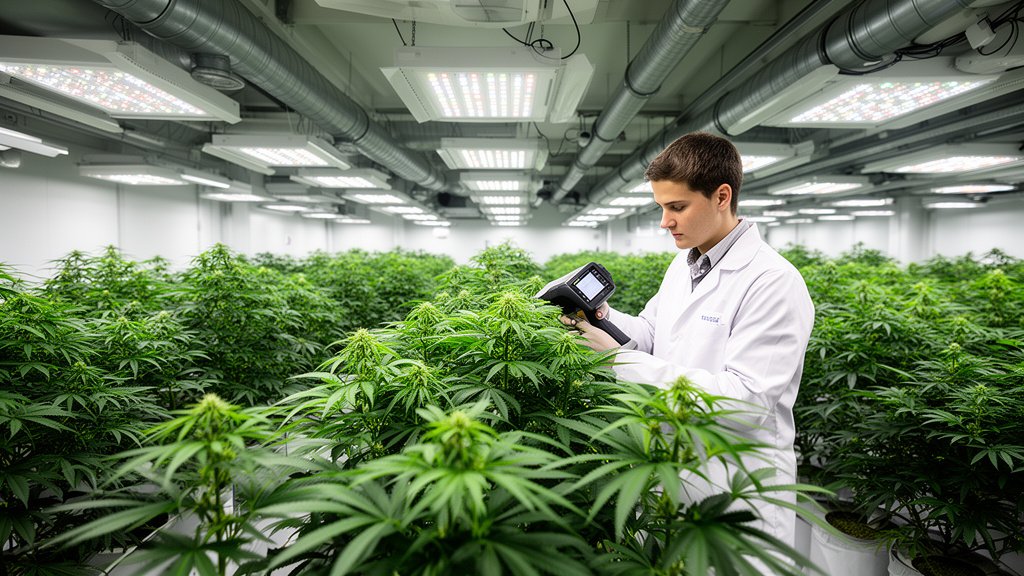
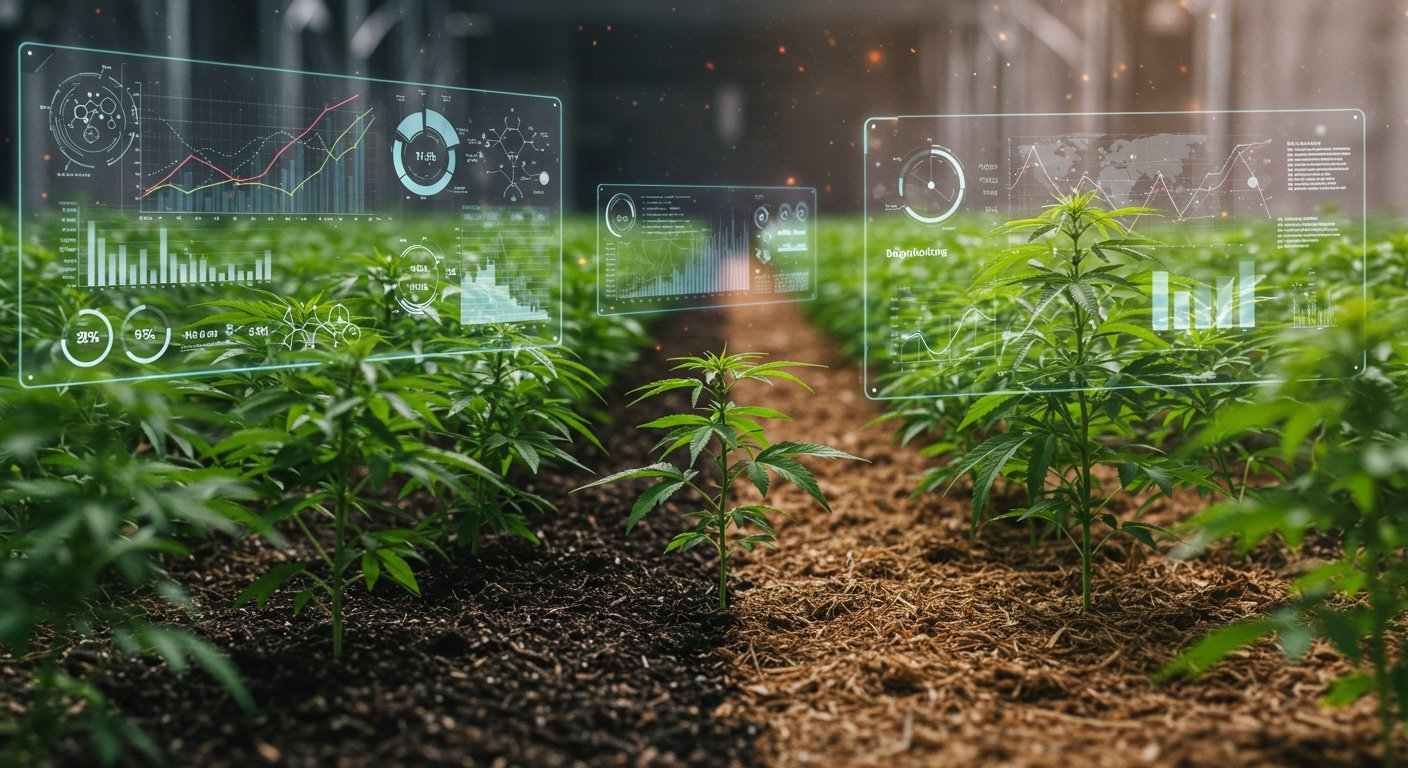
The experts detailed a significant recent research project they are undertaking, generously funded by the Agricultural Genomics Foundation. This ambitious study examines 10 different cannabis varieties cultivated by farmers operating across a diverse range of different regions. The project is meticulously collecting data on a variety of factors, including detailed plant characteristics, various soil types, and crucial harvest metrics. By analyzing these comprehensive datasets, the researchers aim to establish a clearer understanding of how environmental factors directly impact cannabis yield and quality, providing cultivators with the science-backed insights necessary to adapt their practices for specific microclimates.
Dr. Vergara and Dr. Schwabe emphasized that while general cultivation knowledge exists, regional variations in temperature, humidity, light cycles, and soil composition can dramatically affect plant growth and the expression of valuable cannabinoids and terpenes. Their project represents a vital step towards providing location-specific guidance, moving beyond generalized best practices to data-driven strategies tailored to the unique challenges and opportunities presented by distinct growing environments.
Navigating the Regulatory Landscape
Beyond the scientific advancements in cultivation, the week’s highlights also touched upon the complex and ever-changing regulatory environment governing the cannabis sector.
One key area of focus was the intricate challenge of state-tribal cannabis regulations, specifically referenced in the context of Montana. The dual jurisdictional nature of tribal lands presents unique legal and operational complexities for businesses and regulators alike, requiring careful negotiation and clear frameworks to ensure compliance and equitable participation.
The broader imperative of compliance with federal regulations also remained a prominent theme. Despite the growing number of states legalizing cannabis for medical or adult use, the plant remains classified as a Schedule I substance under federal law. This dichotomy creates significant hurdles related to banking, interstate commerce, and research, necessitating vigilant adherence to evolving guidance and potential future legislative changes.
Setting Industry Standards and Ensuring Compliance
The maturity of the cannabis industry necessitates the establishment and enforcement of robust standards to ensure product quality, safety, and operational integrity. Cannabis Science and Technology‘s review highlighted new developments in this critical area.
New standards were announced by CSQ Retail and CSQ Warehousing & Distributing. While specific details of these standards were not fully elaborated in the summary, their introduction signals a move towards greater formalization and quality control within the supply chain, from the retail point of sale through logistics and storage. Such standards are crucial for building consumer trust and facilitating legitimate business operations within the legal cannabis market.
Finally, the issue of enforcement was brought into focus with a mention of hemp packaging enforcement in Florida. As the distinction between hemp (low-THC cannabis) and marijuana remains a key legal and regulatory challenge, ensuring accurate labeling and packaging is essential for consumer safety and preventing misbranded or non-compliant products from entering the market. Enforcement actions, such as those in Florida, underscore the ongoing efforts by regulatory bodies to police the boundaries of the legal market and protect public interests.
In summary, the week of June 27 to July 03, 2025, presented a microcosm of the dynamic forces shaping the cannabis industry. From foundational research aimed at optimizing agricultural practices through data-driven methods to the ongoing efforts to establish clear regulatory pathways and enforceable industry standards, the sector continues its complex journey of growth and legitimation on multiple fronts.