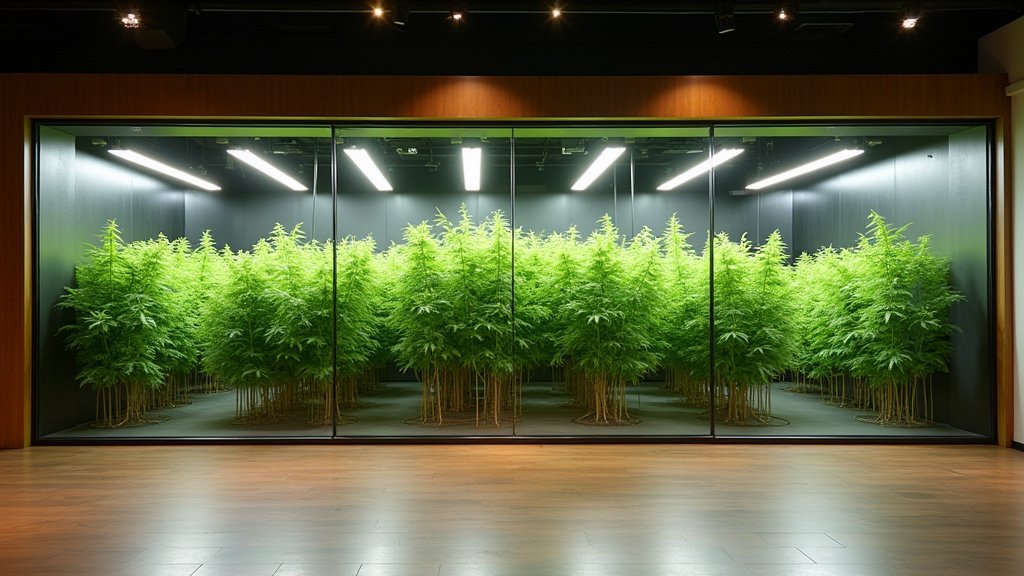
Florida’s burgeoning cannabis landscape is witnessing a significant strategic shift, as established players in the state’s regulated medical marijuana sector begin making inroads into the largely unregulated hemp market. This pivot is driven by high barriers to entry in the medical field and the perceived opportunities within the less-restricted hemp space, creating a dynamic and increasingly crowded marketplace.
Entry of Medical Cannabis Leaders
One notable example of this trend is Curaleaf, identified as one of Florida’s largest medical marijuana companies. This spring, Curaleaf launched “The Hemp Co.,” a dedicated initiative marking its formal entry into the hemp retail sector. As part of this strategy, one of Curaleaf’s numerous state dispensaries was transformed into a retail storefront exclusively focused on hemp products.
This move allows companies with existing infrastructure and brand recognition to tap into a broader consumer base interested in cannabis-derived products that fall outside the strictures of the medical program. Curaleaf’s offerings in this new venture include THC-infused items, such as the brand Endless Coast Cannabis-Infused Seltzers, signaling a focus on products that blur the lines between traditional CBD and higher-potency cannabis goods.
Market Dynamics and Motivations
The motivation for medical marijuana companies to enter the hemp business is rooted in the stark contrast between the two markets’ regulatory environments and associated costs. Obtaining a medical marijuana license in Florida and subsequently establishing the necessary cultivation, processing, and dispensary facilities demands a substantial capital investment, often running into tens of millions of dollars. This costly and complex process has effectively limited the number of licensed medical operators in the state.
Conversely, setting up a hemp retail operation is considerably quicker and less expensive. This ease of entry has led to rapid expansion in the hemp market. Attorney John Lockwood, observing this trend, commented that the hemp market is “crazy crowded,” underscoring the intensity of competition emerging as businesses explore various entry methods.
Regulatory Concerns and Calls for Oversight
The rapid growth of the hemp market, particularly the proliferation of products containing intoxicating cannabinoids, has raised significant concerns among regulators. Agriculture Commissioner Wilton Simpson has become a prominent voice advocating for enhanced oversight of intoxicating hemp products. Commissioner Simpson asserts that these products often possess significantly greater potency than medical marijuana, highlighting an urgent need for improved consumer safeguards and clear labeling.
Currently, Florida has 28 licensed medical marijuana operators. An additional 22 licenses are pending, tied up in ongoing litigation, which further illustrates the complex and often litigious nature of gaining entry into the medical cannabis market. This legal bottleneck, coupled with the high initial investment, makes the less-regulated hemp market an attractive alternative for expansion.
Challenges in the Regulated Market
The value of Florida’s medical marijuana licenses has reportedly declined, reflecting the market’s maturity and potentially the challenges faced by operators. Furthermore, companies encountered a significant obstacle last November when a proposed constitutional amendment aimed at legalizing recreational cannabis failed to pass. This setback delayed the prospect of a potentially more lucrative adult-use market.
Major players like Trulieve, which invested around $145 million in the previous year’s recreational use proposal, are now focusing their efforts on future opportunities. Trulieve is reportedly backing a comparable measure targeting the 2026 ballot, signaling continued interest in expanding beyond the medical framework.
Adding another layer to the regulatory uncertainty, Governor Ron DeSantis previously vetoed legislation specifically aimed at imposing stricter regulations on hemp retailers and products approximately two years ago. This decision has allowed the current less-regulated environment for hemp to persist, creating the conditions for the current influx of investment and activity from medical cannabis firms.
Conclusion
The strategic pivot by medical marijuana companies into Florida’s hemp sector reflects a calculated response to the high barriers and regulatory complexities of the medical market, coupled with the relative ease of entry and potential profitability in the less-regulated hemp space. While offering new avenues for growth, this trend simultaneously intensifies the debate over the need for increased oversight and consumer protection in the burgeoning market for intoxicating hemp-derived products, setting the stage for potential future legislative battles.