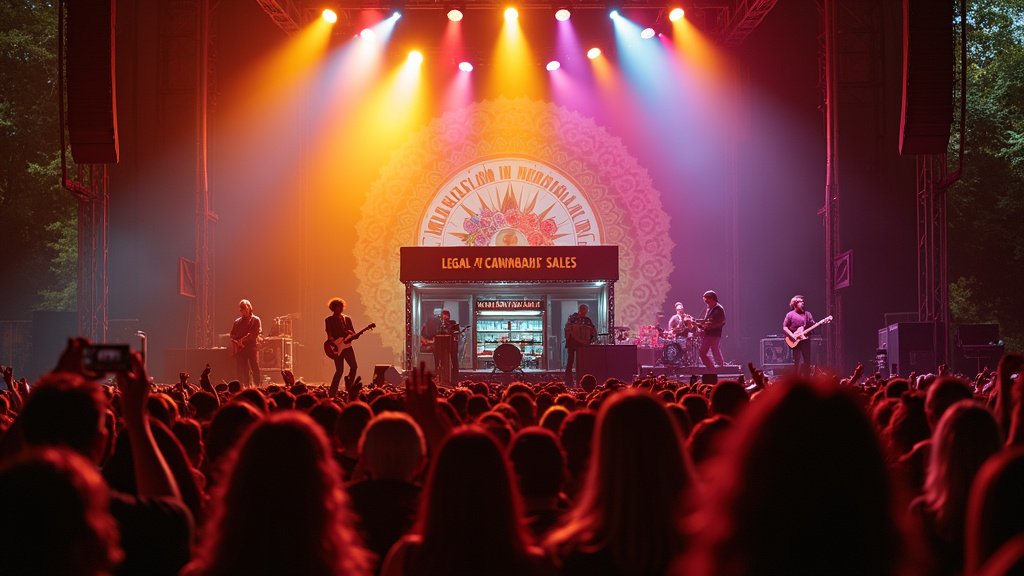
A New Era for Concert Culture: Legal Cannabis and the Grateful Dead
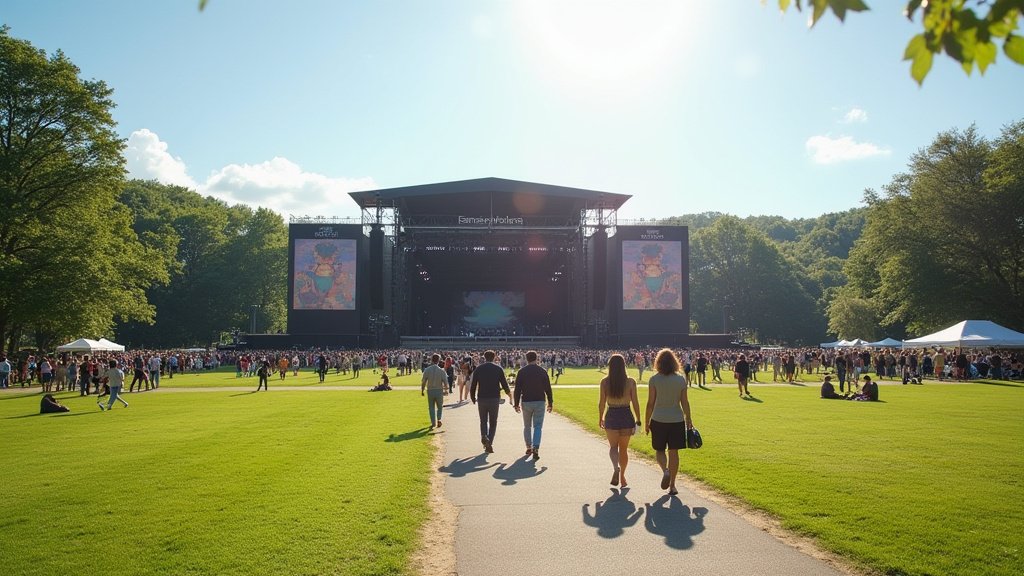
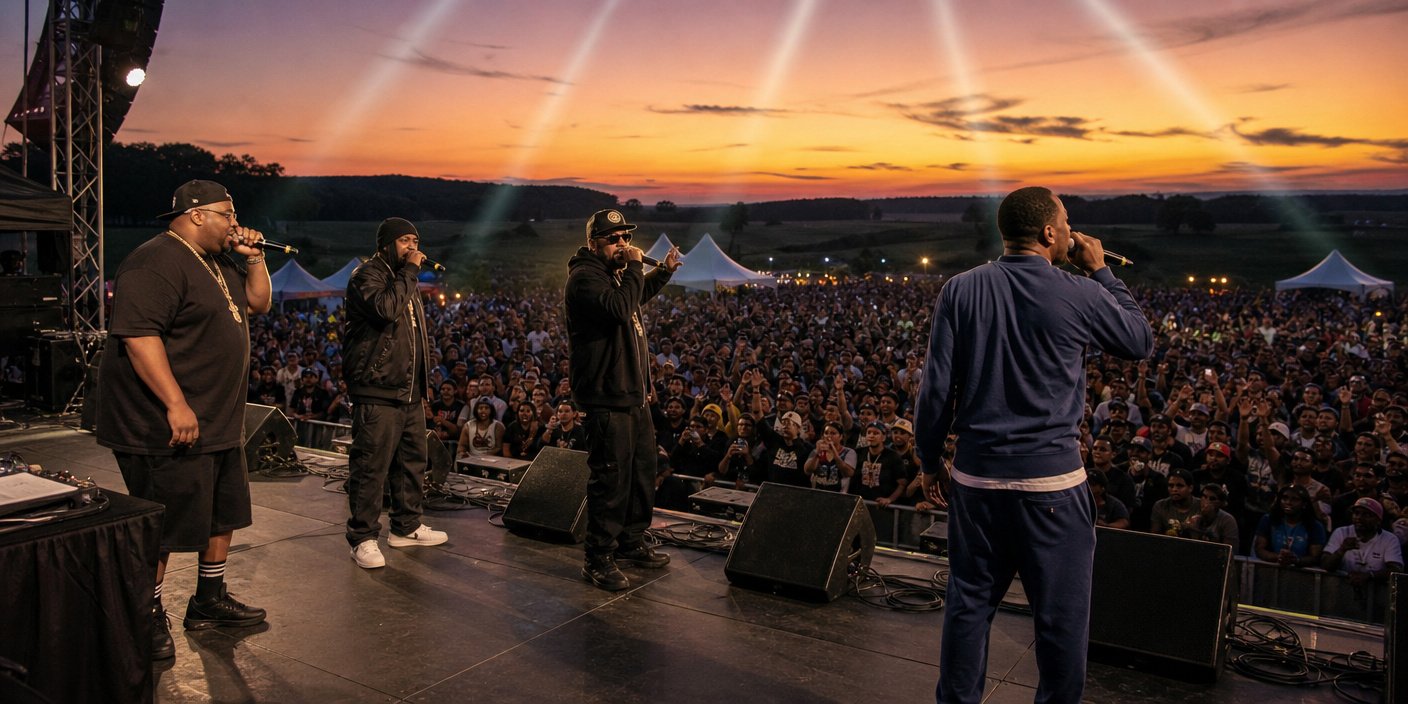
In a development that marks a significant cultural milestone, fans attending Grateful Dead concerts now have the unprecedented opportunity to legally purchase cannabis. This marks the first time in the band’s illustrious 60-year history that cannabis will be available for sale at their live events, reflecting decades of evolving societal attitudes and legal landscapes surrounding the substance.
From Counterculture Roots to Mainstream Acceptance
When the Grateful Dead first formed in San Francisco in 1965, the act of consuming cannabis was illegal. The band, deeply intertwined with the counterculture movement of the era, became synonymous with a lifestyle that often included cannabis. Over the subsequent decades, as the band’s popularity soared and societal norms shifted, the relationship between the Grateful Dead, their fans, and cannabis underwent a profound transformation. What was once a clandestine aspect of their concerts has now, in certain legal jurisdictions, moved into the open.
California, the band’s home state, has been at the forefront of this change, transitioning from the decriminalization of cannabis to the establishment of comprehensive medical and recreational legalization frameworks. This progression has paved the way for unique opportunities, such as the current trend of legal cannabis availability at major music events.
A Significant Cultural Shift for Fans
The legal availability of cannabis at Grateful Dead concerts represents more than just a change in purchasing options; it signifies a broader cultural shift. While cannabis has historically been a pervasive presence at Grateful Dead gatherings, its official, legal sale at these events underscores a new chapter. This transition from a substance often associated with illicit activity to a regulated commodity available for purchase at a beloved band’s shows is a testament to the changing times.
This development also brings into focus the band’s complex relationship with substances. While embracing a spirit of freedom and experimentation, the Grateful Dead’s journey was not without its challenges. Notably, the band’s iconic guitarist, Jerry Garcia, openly struggled with drug possession and rehabilitation throughout his life. These personal battles, while separate from the legal sale of cannabis at concerts, are an undeniable part of the band’s narrative and legacy, contributing to a nuanced understanding of their enduring impact on music and culture.
Looking Ahead: The Future of Cannabis and Live Events
The Grateful Dead’s pioneering step in allowing legal cannabis sales at their concerts is likely to be watched closely by the broader music industry. As more states move towards legalization, similar opportunities may arise for other artists and festivals. This trending news highlights the evolving intersection of music, culture, and policy, offering a glimpse into how live entertainment experiences might continue to adapt and incorporate changing social norms and regulations. The Grateful Dead continue to remain a relevant force, not just in music, but in reflecting and shaping cultural narratives about American culture.