Growing Cannabis: A Beginner’s Journey
For those curious about the world of cannabis cultivation, the process can seem daunting. However, with the right knowledge and approach, growing your own plants can be a rewarding experience. This guide provides a comprehensive overview for beginners, breaking down the essential steps from seed to harvest.
Setting the Stage: Indoor vs. Outdoor
One of the first decisions a budding grower must make is whether to cultivate indoors or outdoors. Each method presents its own set of challenges and advantages. Indoor growing offers greater control over the environment, allowing for consistent conditions regardless of the weather. Outdoor growing, on the other hand, harnesses the power of natural sunlight, which can lead to robust plants. But before you can start, make sure it is legal in your area.
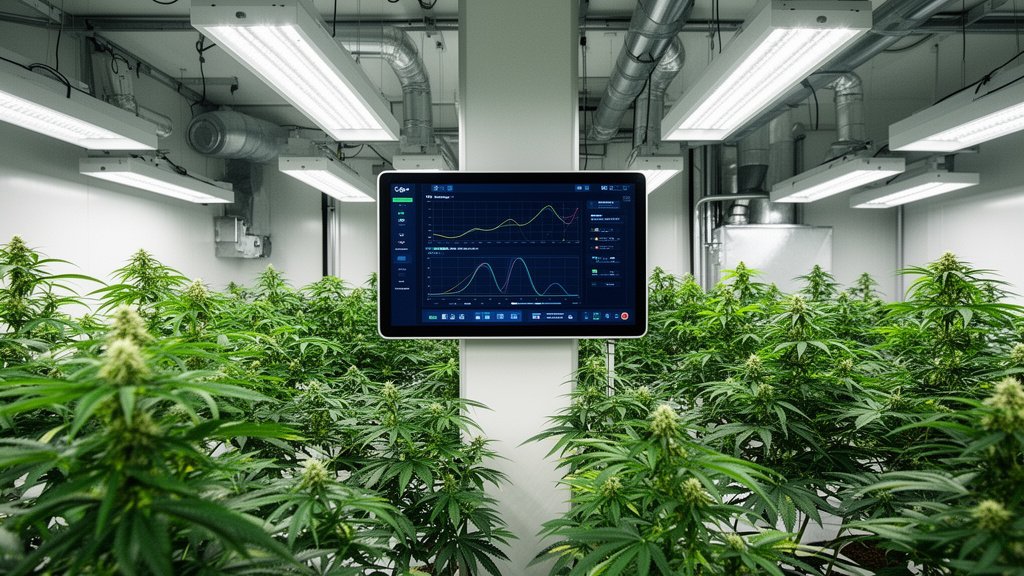
For indoor cultivation, a clean, carpet-free space is crucial. This helps prevent the build-up of mold and pests. Good air ventilation is also paramount for maintaining a healthy growing environment. Grow tents are a popular and cost-effective solution, providing a contained space to manage light, humidity, and temperature.
Outdoor growing presents a different set of requirements. It necessitates at least six months of warm, sunny weather to allow the plants to thrive. Furthermore, a secure and legal location is a must, as are access to clean water for irrigation.
Essential Elements: Light, Soil, and Humidity
Regardless of the chosen method, certain fundamental elements are critical for successful cannabis cultivation. Proper lighting is one of the most important. Full-spectrum LEDs are recommended, providing the plants with the necessary wavelengths for growth. These lights are a significant investment but provide the needed energy for the plant.
Soil quality is another key factor. Using quality soil or coco coir forms the foundation of the plant’s health, affecting its growth. The pH level of the soil or coco coir is crucial, aiming for a pH between 6.0-7.0 for soil and 5.5-6.5 for coco/hydro. This ensures the plant can effectively absorb nutrients. Careful monitoring of these parameters is essential throughout the growing process.
Humidity plays a particularly important role during the seedling stage. Maintaining high humidity levels, ideally between 65-70%, supports the delicate seedlings as they establish their roots. The plants also need about 18 hours of gentle light each day to encourage growth.
Watering and Feeding: The Art of Moderation
A common pitfall for novice growers is overwatering. Cannabis plants, like many others, are susceptible to root rot if they are given too much water. It’s far better to err on the side of underwatering, allowing the soil to dry slightly between waterings. The same principle applies to feeding. Overfeeding can lead to nutrient burn, which damages the plant. A balanced approach, with careful observation of the plant’s needs, is key.
Tracking Your Progress
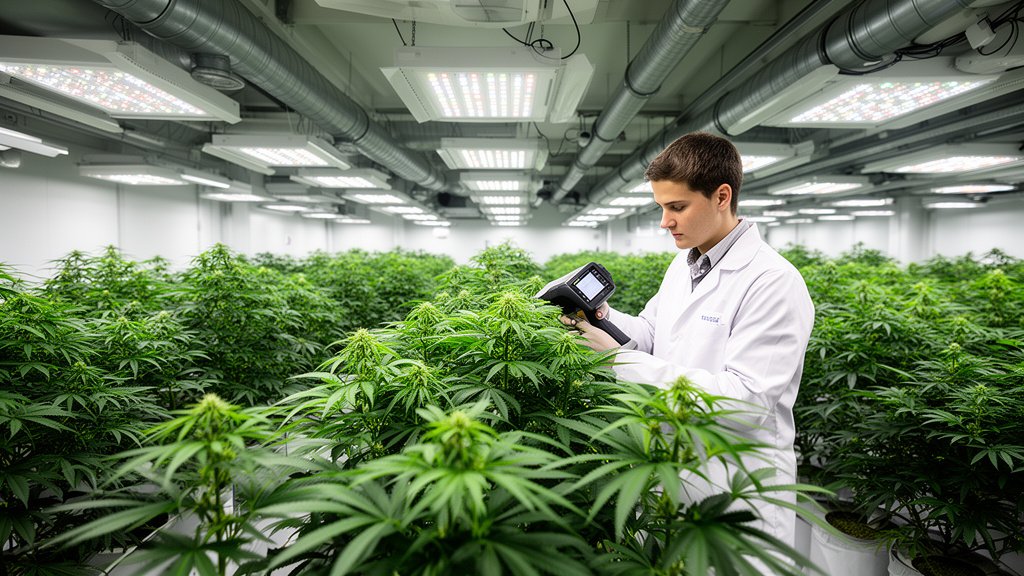
The cultivation of cannabis is a learning process, and the best way to learn is through observation and documentation. Keeping a detailed journal is invaluable. Record everything: the type of soil, the lighting schedule, watering frequency, nutrient levels, and any adjustments made to the environment. Note observations about the plants’ growth, any signs of stress or disease, and any changes you make. This journal will serve as a reference for future grows, allowing you to refine your techniques and improve your yields.
Conclusion
Growing cannabis can be a rewarding experience. By focusing on the essential elements – light, soil, humidity, and a commitment to observation and learning – even beginners can successfully cultivate their own plants. Remember to start small, learn as you go, and most importantly, enjoy the journey.