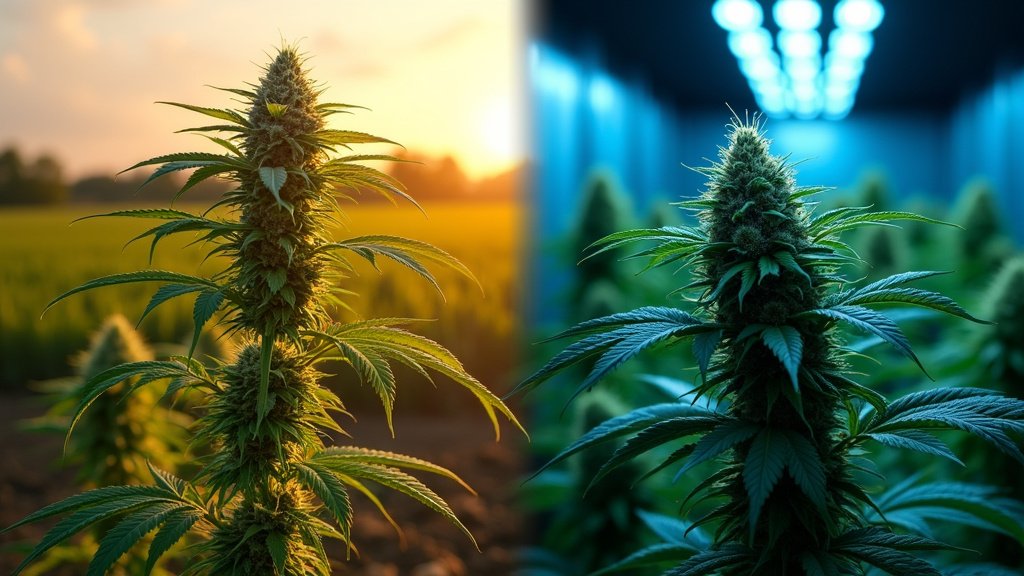
Cultivating cannabis, whether in the controlled environment of an indoor setup or under the open sky outdoors, requires a nuanced understanding of the plant’s needs. This comprehensive guide delves into the essential factors for successful cannabis cultivation, ensuring a healthy and robust yield.
Outdoor Cultivation Essentials
For those opting for an outdoor grow, site selection is paramount. The ideal location will receive ample sunlight, specifically between 6 to 12 hours of direct sun exposure daily. Crucially, the chosen spot should also benefit from good airflow to prevent mold and disease, while offering some protection from strong winds that can damage plants.
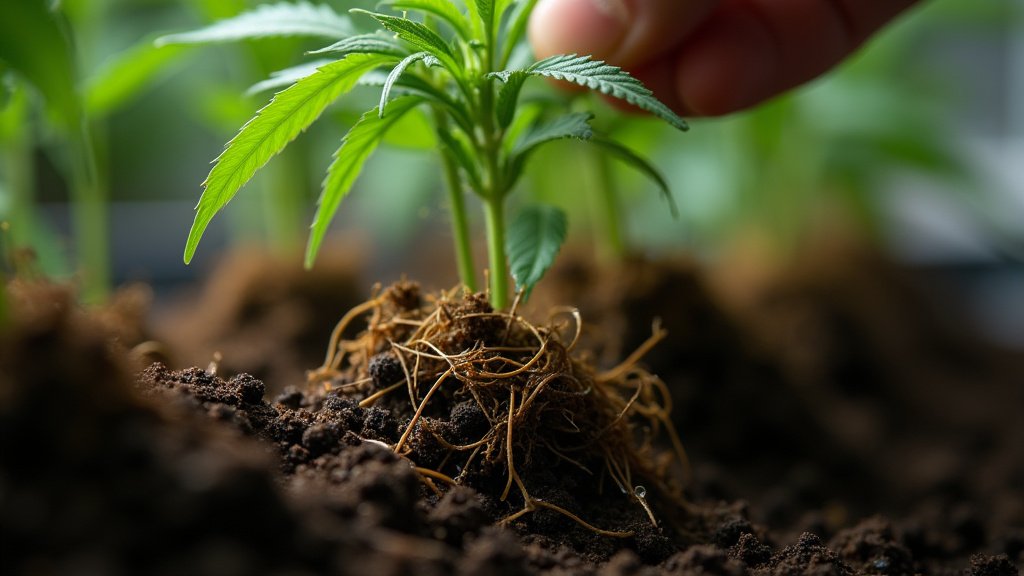
Soil composition plays a vital role in outdoor success. A light, loamy soil that provides good drainage yet retains adequate moisture is preferred. The optimal pH range for cannabis is between 5.8 and 6.3. Growers can enhance their soil quality by incorporating organic matter such as compost and amendments like worm castings, which enrich the soil and improve its structure and nutrient-holding capacity.
Indoor Growing: Lighting and Environment
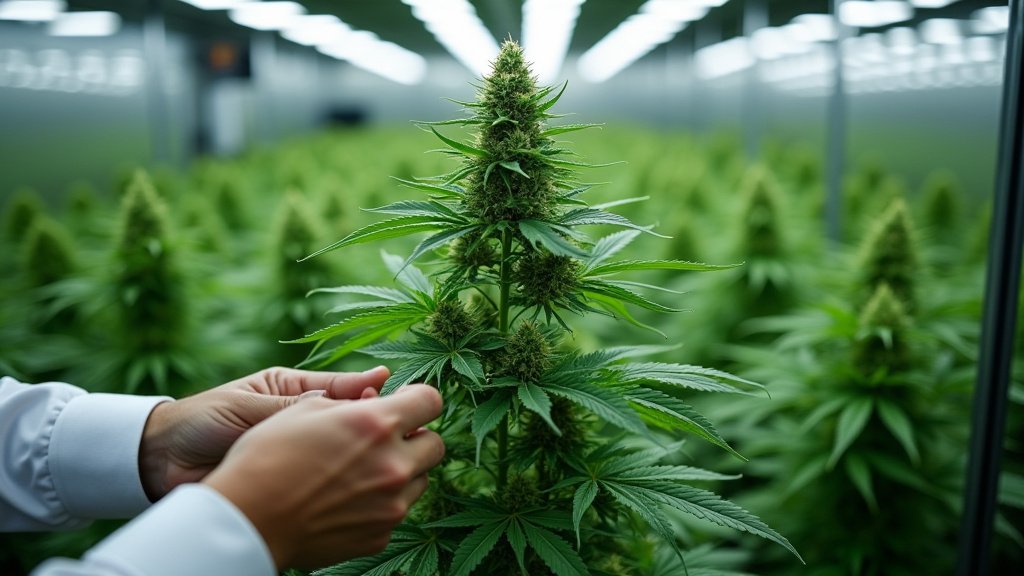
Indoor cultivation offers greater control over environmental variables, allowing for optimization at each growth stage. Seedlings, regardless of whether they are grown indoors or outdoors, demand significant light. Most strains require a minimum of 18 hours of light per day. For optimal development, a full-spectrum bulb is recommended, delivering a Photosynthetic Photon Flux Density (PPFD) between 100–300 µmol/m²/s.
Indoor seedlings particularly thrive in conditions that mimic a nurturing environment. High humidity levels, ideally between 65–70%, are beneficial during this early stage. The ambient temperature should be maintained between 65°–80°F (18°–25°C), coupled with gentle light exposure.
When it comes to artificial lighting for indoor grows, LED lights have emerged as a highly beneficial option. These lights can be tuned to provide specific wavelengths crucial for different growth phases. Blue light, typically in the 400–500nm range, is essential for promoting vigorous vegetative growth. As the plant transitions into its flowering stage, red light, in the 600–700nm range, becomes critical for encouraging bud development and maturity.
The Crucial Drying Process
Once cannabis plants have been harvested, the drying process is critical for preserving their quality, including aroma, smoothness, and potency. This meticulous phase typically takes between 5 to 14 days to complete.
The ideal drying environment is a dark, well-ventilated space. Maintaining consistent temperature and humidity is key. The recommended temperature range is between 60°–70°F (15°–21°C), with humidity levels kept between 50–60%. Proper drying is visually and tactilely confirmed when the plant’s smaller stems snap cleanly when bent, while the buds themselves feel dry on the exterior but retain a slight stickiness internally. This balance indicates that moisture has been sufficiently reduced without over-drying the valuable trichomes.
By carefully managing these aspects of cultivation, from initial site selection and soil preparation to precise lighting and environmental control indoors, and finally to the careful drying of the harvested product, growers can significantly enhance the quality and yield of their cannabis plants.