Mastering Cannabis Cultivation: Advanced Training Techniques for Optimal Yields
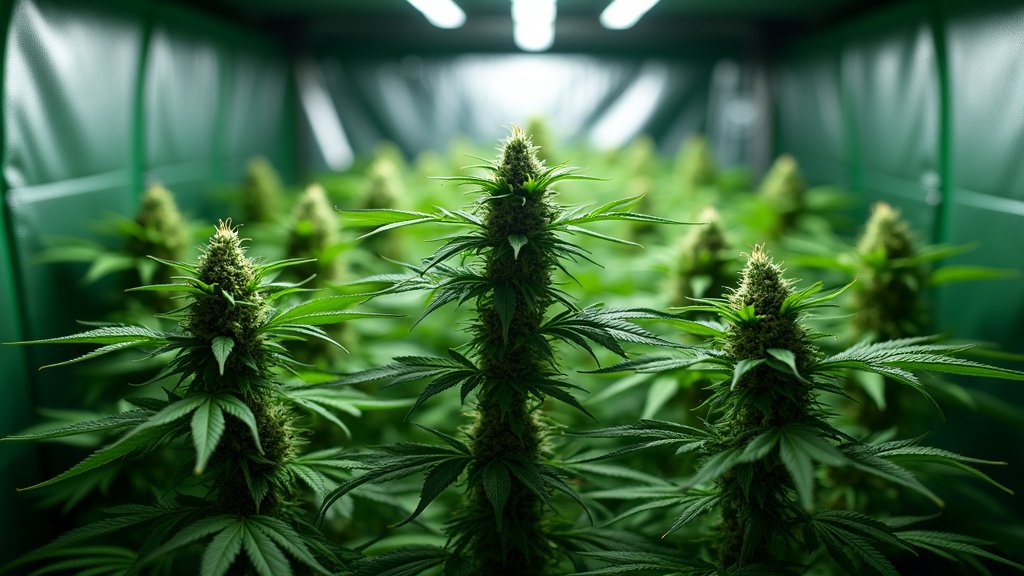
Growing cannabis can be a rewarding experience. Many growers seek to maximize their harvest. Advanced training techniques are key. They help optimize plant growth. This results in better yields and quality. These methods unlock a plant’s full potential. They guide growth patterns. This ensures efficient light absorption. It also improves air circulation. Ultimately, these techniques lead to a more potent harvest.
Why Train Cannabis Plants?
Training cannabis plants offers many benefits. It breaks apical dominance. This natural tendency makes plants grow one main cola. Training redirects energy. It promotes multiple bud sites. This means more flowers. It also increases airflow. Better airflow reduces mold risk. Plants become stronger. Their structure improves. This allows them to support heavier buds. Training can increase yields significantly. Some growers see up to a 40% increase. It costs little to implement. Growers can manipulate plant hormones. This control leads to desired growth.
Understanding Training Types
There are two main training categories. They are Low Stress Training (LST) and High Stress Training (HST). LST uses gentle methods. It involves bending and tying branches. This is less traumatic for plants. It allows quick recovery. HST involves more intense methods. It includes cutting and bending stems. Plants need time to heal from HST. Choosing the right method depends on experience. It also depends on the grower’s goals.
Key Training Techniques Explained
Several advanced techniques help growers. They target specific growth outcomes.
Topping and Fimming
Topping and FIMing are popular HST methods. They involve removing the plant’s top. This action breaks apical dominance. Instead of one main cola, the plant grows multiple tops. Topping removes the entire main stem tip. FIMing, or “F* I Missed,” removes only about 75% of the top. Topping is more decisive. FIMing can result in 4 or more colas. Topping results in two primary colas initially. Topping can slow growth slightly more than FIMing. These techniques encourage bushier growth.
Lollipopping
Lollipopping is a pruning technique. It removes lower leaves and branches. It also removes small, underdeveloped buds. This creates a clear stem. The plant looks like a lollipop. This method directs the plant’s energy upwards. It focuses resources on the main colas. Shaded lower parts get less light. Removing them improves light penetration. It also boosts airflow. This reduces mold risk. Lollipopping maximizes energy for top buds.
Supercropping
Supercropping is a high-stress training method. It involves intentionally bending or squeezing stems. Growers carefully damage the stem without breaking it. This stimulates the plant’s healing response. The plant diverts energy to repair the kink. This results in thicker stems. It creates stronger branches. Stronger branches support heavier buds. Supercropping also promotes nutrient uptake. It should be done during the vegetative stage.
Sea of Green (SOG)
The Sea of Green (SOG) method maximizes space. It involves growing many small plants closely together. This technique accelerates harvest cycles. It uses minimal vegetative time. SOG plants focus on upward growth. They develop a single main cola. This method is efficient for small spaces. Many plants grow under one light. This can increase yield per square foot. However, it requires many plants.
Screen of Green (SCROG)
Screen of Green (SCROG) uses a horizontal screen. This net supports branches. It encourages horizontal growth. Plants are woven through the screen. This creates an even, flat canopy. SCROG ensures even light distribution. All bud sites receive adequate light. This method promotes dense, uniform flowers. SCROG usually yields more per plant. It requires fewer plants per square meter. This technique needs patience and maintenance.
Optimizing Your Cannabis Cultivation
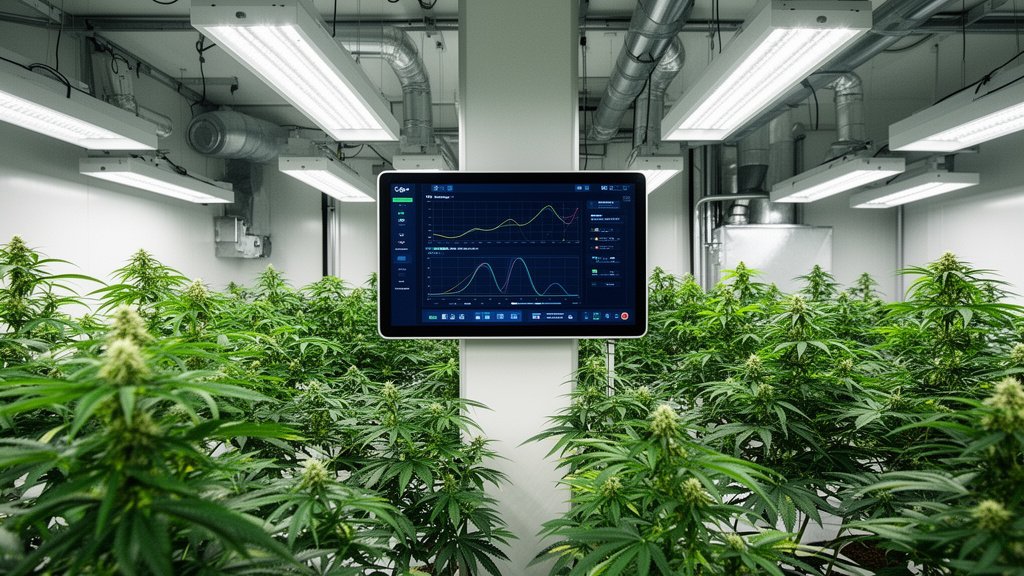
Effective cannabis cultivation uses more than just training. Light is a critical factor. Optimizing light intensity and spectrum boosts yield and quality. Blue light aids vegetative growth. Red light supports flowering. Advanced LED lighting offers precise spectrum control. Environmental conditions are also vital. Temperature and humidity control impact bud development. Maintaining ideal ranges is crucial for quality.
Conclusion
Mastering cannabis cultivation involves many skills. Advanced training techniques offer significant advantages. They lead to larger yields and better bud quality. Methods like Topping, FIMing, Lollipopping, Supercropping, SOG, and SCROG empower growers. They allow for precise control over plant structure and growth. Combining these techniques with optimal lighting and environmental control is essential advice. Growers can transform their harvests. This cultivation advice helps achieve top-tier results. It unlocks a plant’s full genetic potential.