Mastering Cannabis Seed Germination: A Grower’s Guide to Success
Starting your cannabis cultivation journey begins with a tiny seed. Germinating these seeds is the critical first step. It unlocks their potential for growth. Success here sets the stage for healthy plants. This guide offers essential advice. It covers everything from ideal conditions to common pitfalls. Proper cultivation starts with a strong germination.
Understanding Seed Viability and Quality
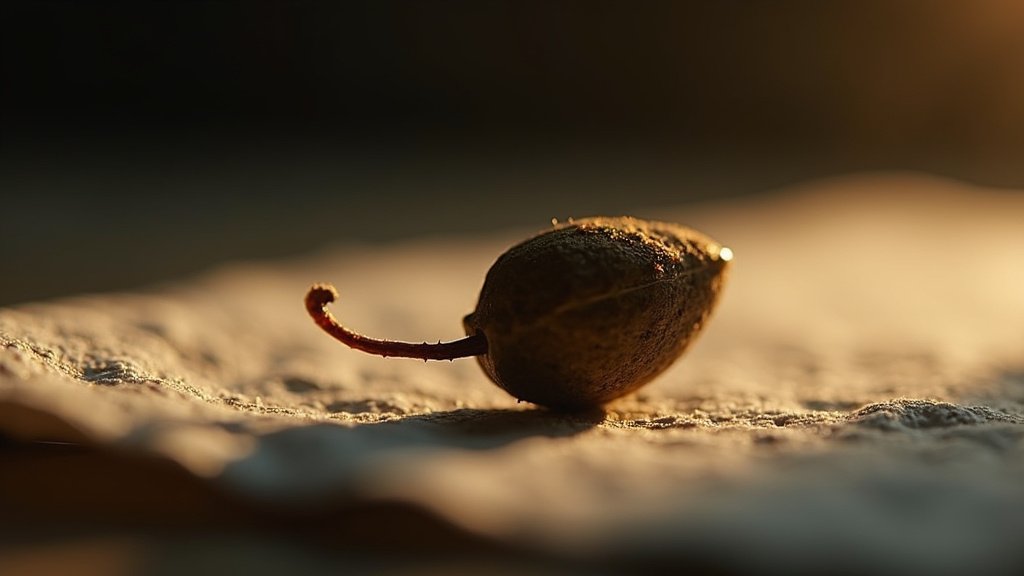
Not all seeds will sprout. Seed quality matters greatly. Healthy seeds are typically dark brown. They often show tiger stripes. They feel firm when gently squeezed. They possess a waxy coating. Pale, green, or white seeds are usually immature. These are less likely to germinate successfully. Fresh seeds offer the best germination rates. Seeds stored under ideal conditions remain viable longer. Most commercial seeds offer good rates for 1-2 years. Viability gradually decreases over time.
The Science of Awakening Seeds
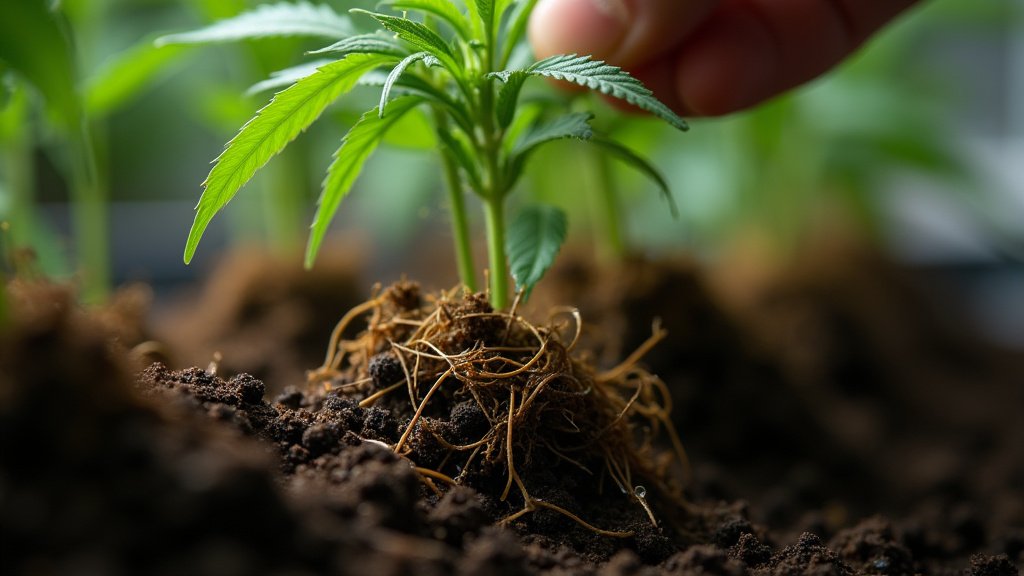
Germination begins with imbibition. The seed absorbs water. This process softens its outer shell. It triggers metabolic processes inside. The seed swells. Its shell then cracks open. The first root, called a taproot, emerges. This taproot anchors the plant. It also begins absorbing water and nutrients. Next, the shoot emerges. This part grows upwards towards light. This transformation from seed to sprout is delicate. Sprouts need warmth, moisture, and oxygen. Darkness is also important for the root.
Key Environmental Conditions for Germination
Creating the right environment is crucial. Several factors play a vital role. These include temperature, moisture, and air.
Optimal Temperature Range
Cannabis seeds need warmth to sprout. The ideal temperature is between 70-85°F (21-29°C). Some sources suggest 77°F (25°C) as optimal. A slight drop at night is acceptable. Aim for 20-22°C at night. Consistent temperatures are key. Avoid extreme heat or cold. Temperatures below 70°F (21°C) slow germination. High heat above 90°F (32°C) can damage seeds. A heating mat can help maintain stable warmth.
Moisture and Humidity
Moisture is essential. Seeds need to stay hydrated. The germination medium should be damp. It should feel like a wrung-out sponge. Avoid waterlogging the seeds. Too much water can suffocate them. It also prevents oxygen from reaching the seed. High humidity is also beneficial. Aim for 70-90% relative humidity. This prevents drying out.
Oxygen and Darkness
Seeds need oxygen for respiration. Ensure your medium allows for air exchange. Darkness is beneficial for the emerging taproot. While seeds don’t need light to germinate, intense light can dry them out. Keep them in a dark place.
Popular Germination Methods
Several methods exist for germinating cannabis seeds. Each offers distinct advantages.
The Paper Towel Method
This is a widely recommended technique. It allows easy monitoring of progress. First, dampen paper towels. Use distilled or filtered water. They should be moist, not soaking wet. Place seeds between the damp towels. Fold them gently. You can place this packet between two paper plates. Alternatively, use a sealed plastic bag or container. Keep the packet in a warm, dark place. Check daily for moisture. Sprouting often occurs within 24-72 hours. It can take up to 7 days. Handle sprouts gently. Avoid touching the fragile taproot.
Water Soaking Method
Soaking seeds can soften the shell. This is useful for older or hard-shelled seeds. Fill a glass with room-temperature water. Drop seeds into the water. Soak them for 24-48 hours. Viable seeds often sink. Floating seeds may be less viable. Do not soak for too long. Excessive soaking can damage seeds.
Direct Planting Method
Some growers plant seeds directly into soil. This method mimics natural conditions. Prepare a light, well-drained soil mix. Plant seeds about 0.5 to 1 inch deep. Ensure the pointy end faces down. Keep the soil consistently moist. Avoid overwatering. Direct planting reduces transplant shock. However, germination might take longer.
Starter Plugs and Cubes
Jiffy Pellets or rockwool cubes offer a controlled environment. They provide an ideal air-water ratio. Soak the cubes in water first. Place one seed in each cube. Keep them moist and warm. These are easy to transplant later.
Troubleshooting Common Germination Issues
Even with care, seeds may fail to sprout. Common problems include improper temperature, incorrect moisture, and poor seed quality. Old seeds may take longer to germinate. Patience is essential. Some seeds take up to 7-10 days.
Seed Storage for Longevity
Proper storage preserves seed viability. Store seeds in a cool, dark, and dry place. An airtight container is best. A temperature range of 35-45°F (2-7°C) is recommended for long-term storage. Lower temperatures, even freezing, can be acceptable. Avoid fluctuating temperatures. Desiccant packs help absorb excess moisture.
Conclusion
Germinating cannabis seeds successfully requires attention to detail. Understanding optimal environmental conditions is paramount. Choosing a reliable method and maintaining consistency are key. Proper storage ensures seeds remain viable for future cultivation. By following these tips, growers can maximize their success rates. This lays a strong foundation for healthy cannabis plants and bountiful harvests.