As the cannabis industry matures, cultivators aiming for high-quality yields and robust profitability in 2025 recognize that thoughtful facility design is not merely an option but a fundamental requirement. This is especially true for energy-intensive indoor operations, where environmental control and efficiency directly impact both plant health and the bottom line.
Given the challenges of limited and expensive suitable sites, efficient design becomes paramount. It must prioritize maximizing productivity per square foot while simultaneously supporting rigorous compliance with strict zoning and security regulations. A well-designed facility streamlines operations, mitigates risks, and provides a scalable foundation for future growth.
Laying the Foundation: Site Selection and Regulatory Compliance
The initial phase of any cultivation project involves selecting properly zoned sites. This critical step is inextricably linked with reviewing local licensing requirements, which often dictate fundamental aspects of the facility’s operation, including its layout, waste management, and sanitation standards. Adhering to these regulations from the outset is crucial to avoid costly redesigns or compliance issues later.
Facilities should be inherently designed for both efficiency and scalability. This often translates into utilizing modular layouts and creating separate environments for different growth stages. This segmentation is vital not only to improve workflow efficiency but also significantly reduce the risks of contamination, a constant threat to crop health and yield.
Core Systems: Environmental Control and Efficiency
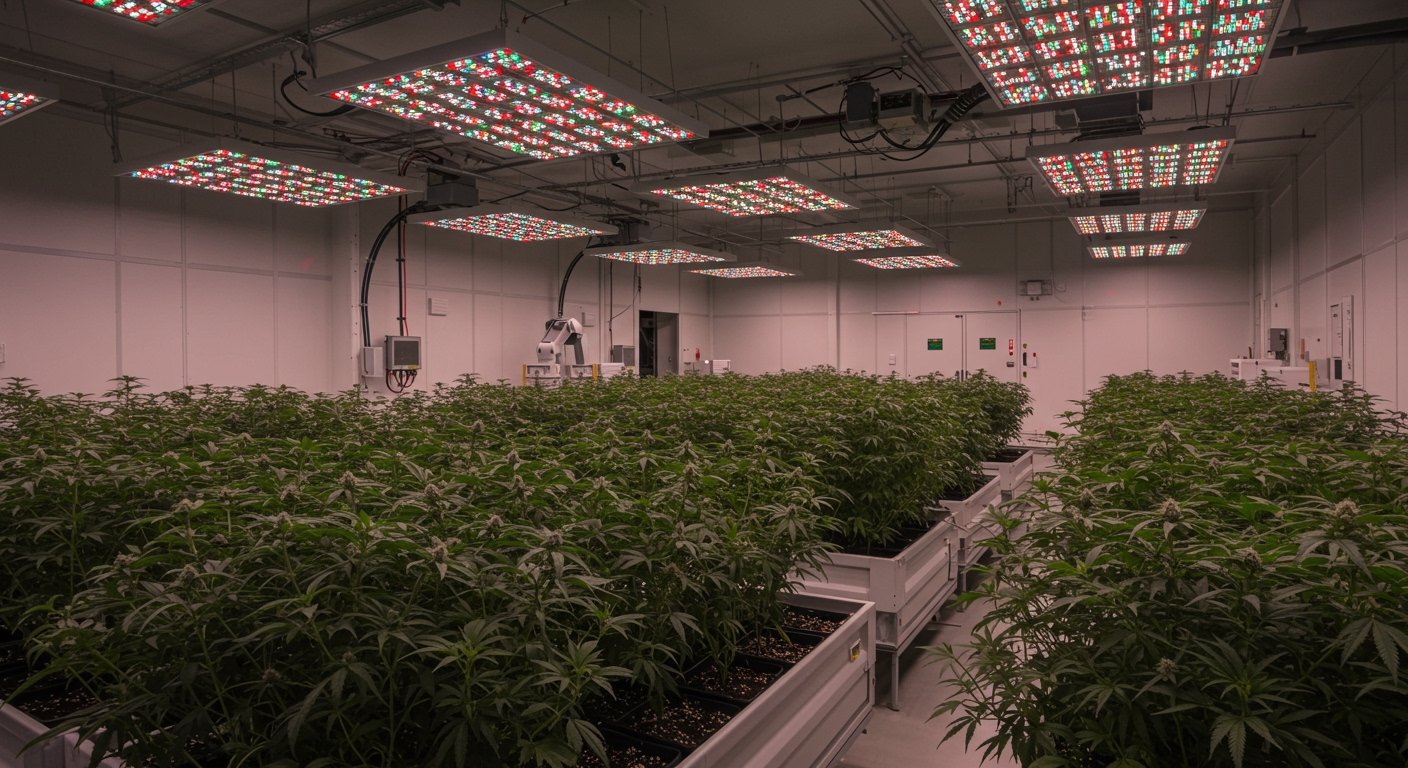
The heart of an indoor cultivation facility lies in its environmental control systems. Essential installations include state-of-the-art HVAC systems, powerful dehumidifiers, and precise environmental sensors. These systems work in concert to create and maintain optimal conditions for plant development. Energy efficiency is a key consideration, particularly regarding lighting. Investing in energy-efficient lighting featuring adjustable spectrum control allows cultivators to tailor light output to specific plant needs across different growth phases, optimizing development while managing energy costs.
Specific environmental controls are non-negotiable for achieving desired outcomes. For instance, maintaining vegetative growth conditions around 75°F is widely considered optimal. As plants transition to flowering, employing lower temperatures during flowering can enhance certain characteristics. Furthermore, precise humidity control is vital, typically managed through the use of digital hygrometers. This meticulous approach to humidity is crucial to minimizing the risks of mold and mildew, which can devastate a crop.
Security and Waste Management Protocols
Security within a cultivation facility requires robust measures. This includes implementing 24/7 surveillance systems, paying particular attention to monitoring all access points. Maintaining a secure perimeter and tracking activity are fundamental requirements for both regulatory compliance and asset protection.
Waste disposal is another area subject to stringent oversight. Facilities must ensure that all waste management practices strictly adhere to local regulations. This often involves specific procedures for tracking and disposing of plant material and other byproducts to prevent diversion and ensure environmental responsibility.
Prioritizing Sanitation and Air Quality
Sanitation is critical for both plant health and regulatory compliance. A robust sanitation program necessitates dedicated rooms for each stage of the cultivation cycle to prevent cross-contamination. Surface materials within the facility should be non-porous and chemical-resistant materials to allow for effective and frequent cleaning without degradation. Establishing separate staff sanitation zones and utilizing separate plumbing/irrigation systems further enhances hygienic practices and prevents the spread of pathogens.
Effective air filtration is equally important for both plant and worker health. Implementing comprehensive filtration systems, including HEPA filters for particles and Carbon filters for odors and VOCs, helps maintain a clean air environment free from airborne contaminants and noxious fumes, contributing to optimal growing conditions and a safe workplace.
Leveraging Technology and Expertise
For large-scale facilities, the implementation of automation systems is highly recommended. Automation can ensure consistent environmental conditions across vast grow spaces and enable a rapid response to any deviation or change detected by environmental sensors. This consistency is key to predictable, high-quality yields.
Navigating the complexities of facility design, regulatory compliance, and operational optimization can be challenging. Consequently, consulting cannabis experts, such as firms like CannDelta, is highly advisable. Expert guidance can provide invaluable insights into best practices, regulatory nuances, and design efficiencies tailored to specific goals and locations.
In summary, designing a successful cannabis cultivation facility for 2025 demands a holistic approach. It integrates strategic site selection and strict adherence to regulations with advanced environmental controls, robust security, rigorous sanitation, and the intelligent application of technology and expert knowledge to ensure high-quality yields, efficiency, and sustained profitability in a competitive market.