Edibles Emerge as Cannabis Market Leaders in New York
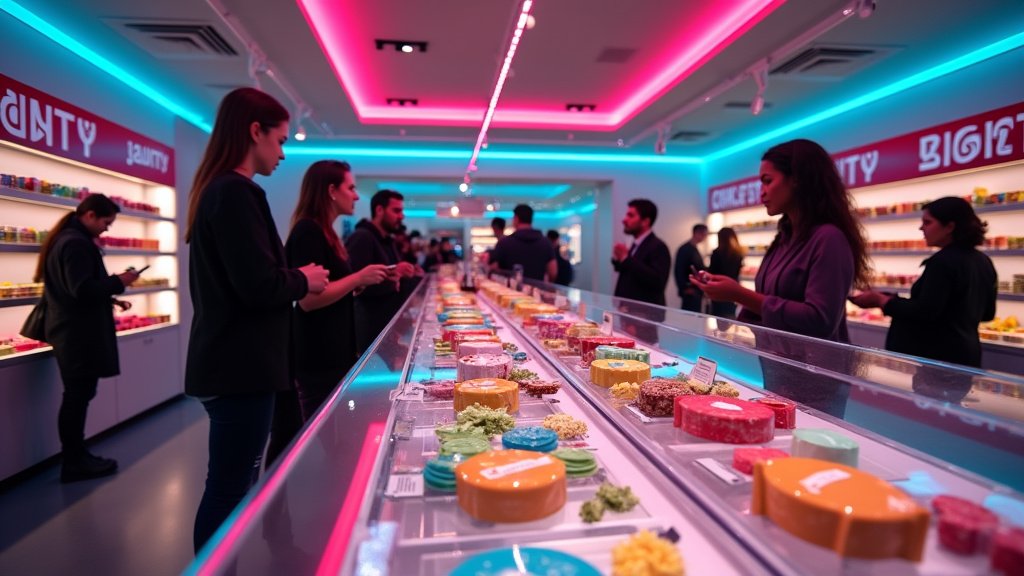
A recent survey has unveiled the dominance of cannabis-infused edibles within the New York market, according to findings released this week. The survey, commissioned by the cannabis brand Jaunty, indicates a clear preference among consumers for edibles, with 40% of respondents reporting consumption of these products. This figure significantly surpasses the popularity of vape products, favored by 21.8% of respondents, and flower, chosen by 17%.
This data suggests a considerable shift in consumer behavior within the New York cannabis market. The prevalence of edibles highlights their appeal, potentially driven by factors like ease of use, discreetness, and the variety of available flavors and dosages. The survey results offer valuable insights for brands and retailers aiming to understand consumer preferences and tailor their product offerings accordingly. The popularity of edibles is a trend that is likely to influence product development and marketing strategies within the industry.
Price and Product Effects Drive Consumer Choices
Beyond product type, the survey delved into the key factors influencing consumer purchasing decisions. Price emerged as the leading determinant, with 28.4% of respondents citing product cost as the most significant influence on their choices. This underscores the importance of competitive pricing strategies for businesses looking to capture market share. The second-most influential factor was product effects, cited by 26.9% of respondents. This highlights the significance of product quality and the desired consumer experience in driving sales. Convenience was the third most important factor, influencing the purchasing decisions of 23% of the respondents.
The emphasis on these three factors, price, effects, and convenience, suggests that consumers are actively seeking products that offer the best value for their money while also providing the desired effects and ease of use. The survey’s findings underscore the need for brands to balance these factors in their product development and marketing efforts to remain competitive in the rapidly evolving New York cannabis market.
Jaunty’s Insight and Consumer Perceptions
Jaunty co-founder and CEO Nicolas Guarino expressed his perspective on the survey’s findings, noting that the research was “especially illuminating.” This indicates the survey provided valuable insight into the market dynamics and consumer behaviors. The survey’s findings are crucial for brands to understand the consumers’ needs and behaviors in the competitive New York cannabis market. The insights can shape the future of the products and the strategies of the companies in this industry.
The survey also explored consumer perceptions regarding concentrate types and product transparency. Respondents were almost evenly split on their understanding of the differences between concentrate types, suggesting a need for improved consumer education in this area. The lack of a majority understanding implies consumers may lack a good grasp of the available concentrate types. It points to an opportunity for brands to clarify the distinctions and educate consumers about the different options available.
Furthermore, the majority of respondents, 43.2%, indicated a belief that brands are transparent and clearly label ingredients and sourcing. This positive perception is a testament to the efforts of many brands to be open about their product formulations and origins. Transparency builds trust with consumers and can influence purchasing decisions. It also allows for the consumer to make a more informed choice.
In conclusion, the Jaunty-commissioned survey paints a clear picture of the current New York cannabis market. Edibles are leading in popularity, price is a key purchasing factor, and transparency is generally perceived as good. The results point to the industry’s need to adapt to consumer preferences for product development, pricing strategies, and educational initiatives. The insights provided by the survey can serve as a guide for cannabis businesses to remain competitive and meet the evolving needs of consumers in the New York market.