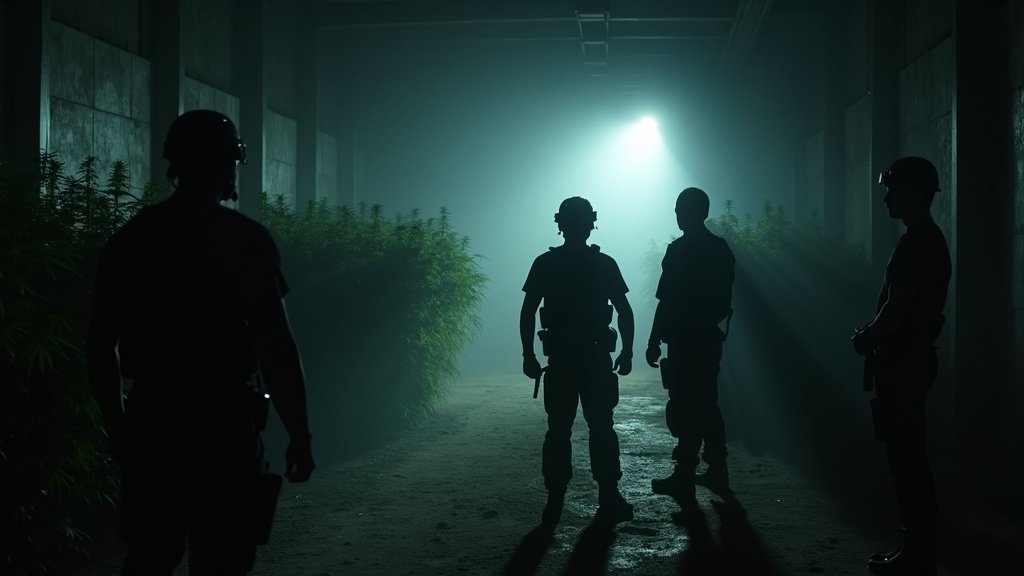
Nova Scotia is cracking down harder. The province targets illegal cannabis operations. Justice Minister Scott Armstrong issued a new directive. Police agencies province-wide must increase enforcement. This action addresses growing public safety worries. The unregulated market poses significant risks. Officials are concerned about untested products. Youth access is a major issue. Links to organized crime are also a concern.
The Scale of the Shadow Market
A recent review found at least 118 illegal cannabis outlets. This number is more than double the legal stores. Nova Scotia Liquor Corporation (NSLC) operates 51 legal shops. These illegal stores operate outside provincial oversight. They lack product testing and tracking. This creates a significant public health risk. The trend of illegal sales is growing.
Public Health and Safety Risks
Unregulated cannabis products are dangerous. They may contain harmful contaminants. Potency levels can be inaccurate. Products might have dangerous additives. Dr. Robert Strang, Chief Medical Officer, highlighted these risks. He stressed safeguarding health and youth. This enforcement protects communities. It limits access for young people. Legal cannabis sales follow strict rules. These include testing and age verification. Product tracking is also mandatory. Staff training is required for legal sellers. Illegal stores ignore all these safety measures.
Engaging Mi’kmaq Communities
Minister Armstrong contacted Mi’kmaq chiefs. He sought their cooperation in this crackdown. Letters were sent to 13 Mi’kmaq chiefs. The minister cited a “growing public safety problem.” Some reports initially suggested 118 illegal stores were on First Nations land. This was later clarified to be province-wide. The government stated all illegal stores pose risks.
Differing Perspectives and Criticism
This crackdown has sparked criticism. Some Indigenous activists call it “blatantly racist.” They view it as an attack on Mi’kmaq sovereignty. Legal scholars raised concerns. They questioned government interference with police. The justice minister’s directive is seen by some as too direct. It appears to target specific operations. This conflicts with police independence principles. Some Mi’kmaq leaders dispute treaty rights claims. They argue for their own cannabis retail systems. Thomas Durfee, an advocate, believes in treaty rights. He is involved in a legal case after a raid. He stated a willingness to meet and discuss standards.
Enforcement and Future Steps
Police are now instructed to prioritize enforcement. They must identify illegal operations. They must disrupt distribution networks. Police will report enforcement outcomes to the province. This news is related to trending discussions. The evolving cannabis landscape is significant. This official announcement is major news.
The Legal Path Forward
Nova Scotia’s Cannabis Control Act is clear. The NSLC is the only legal retailer. This ensures product safety. It controls access and tracks supply. The province aims to shut down the shadow market. This strengthens the regulated system. Future measures may be considered. This depends on police findings. The goal is public health and safety. It is a complex issue. This is important cannabis news.