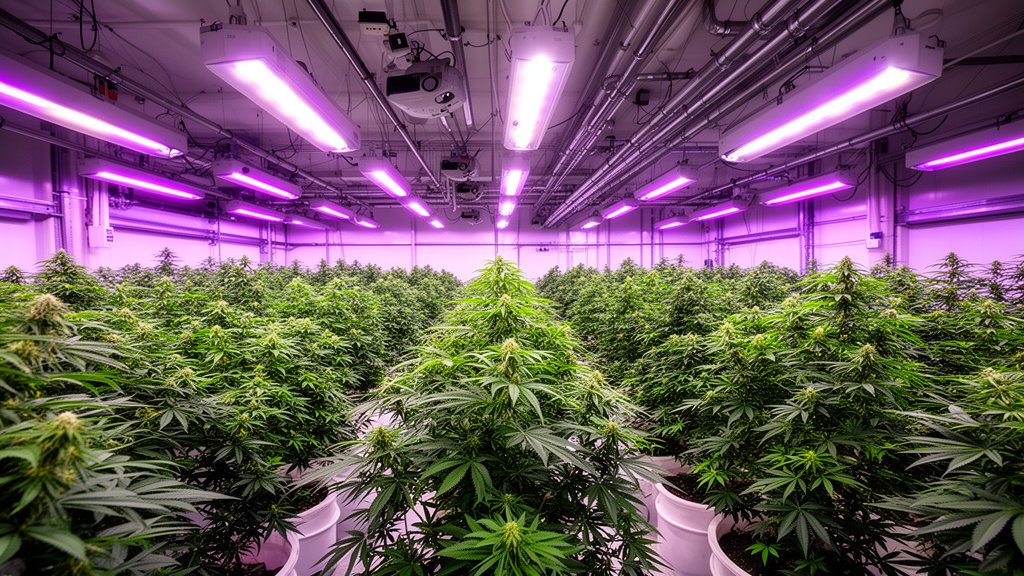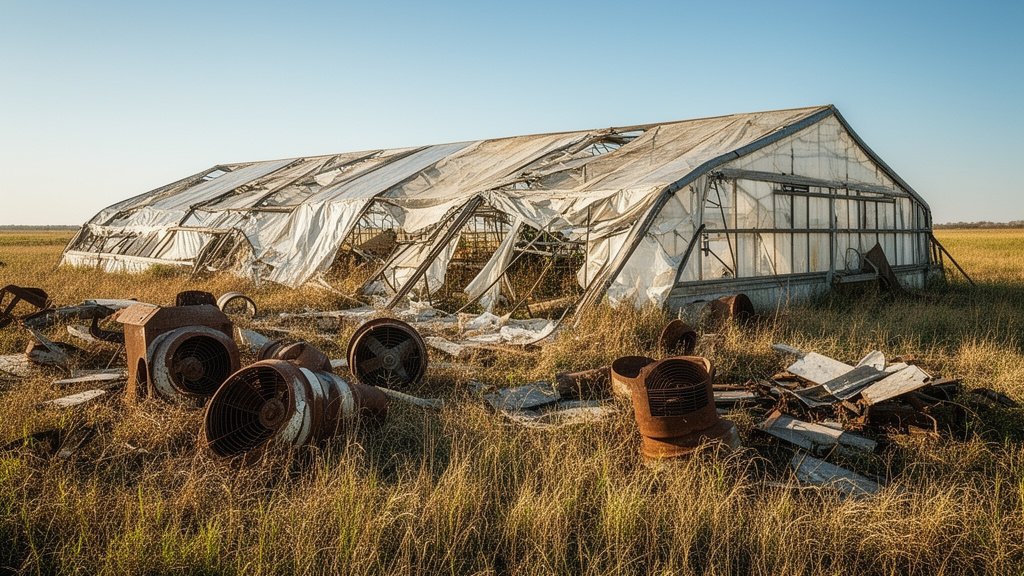
The rapid expansion and subsequent contraction of Oklahoma’s medical marijuana industry have created an unexpected, high-stakes environmental emergency. Following the implementation of State Question 788 in 2018, which legalized medical cannabis, the state saw a gold-rush style proliferation of cultivation facilities. Today, as market saturation forces many growers to shutter operations, rural Oklahoma landscapes are increasingly dotted with abandoned grow sites. These facilities, once symbols of economic promise, are now being identified by state authorities as significant environmental liabilities characterized by illegal dumping, improper sewage disposal, and the abandonment of hazardous chemical stockpiles.
The Aftermath of the Green Rush
The collapse of the initial market surge has left a physical vacuum across the state. When owners of cultivation facilities abandon their sites—often without filing for proper decommissioning or license revocation—they frequently leave behind substantial waste. According to data tracking the industry’s volatility, thousands of grow licenses have been surrendered or voided over the past 24 months. For many property owners who leased land to these operations, the aftermath is a nightmare of unpaid debts and hazardous waste mitigation.
The Oklahoma Medical Marijuana Authority (OMMA) and the Oklahoma Bureau of Narcotics (OBN) have increasingly encountered sites that fall far below the regulatory standards of safe agriculture. In many instances, the infrastructure installed to support high-yield cannabis production, such as improvised plumbing and irrigation systems, was never connected to municipal sewage lines. When these facilities are abandoned, this untreated waste remains, creating an immediate biohazard threat to local groundwater tables and soil quality.
Hazardous Materials and Illegal Dumping
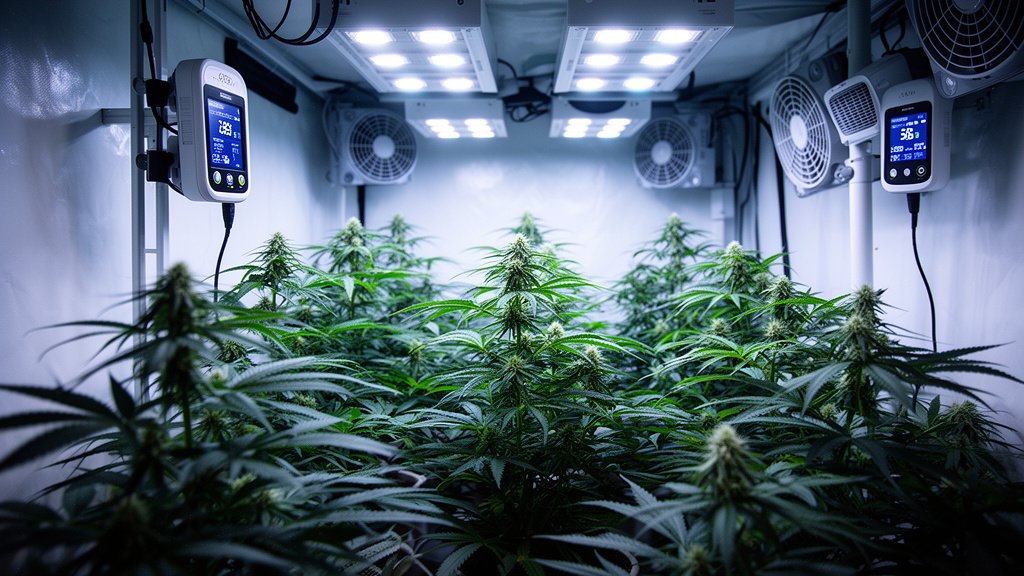
The environmental impact extends beyond biological waste. Many of these sites were essentially repurposed industrial or residential properties that were retrofitted with high-intensity grow lights, dehumidifiers, and climate control systems. When operations cease, these items are rarely disposed of legally. Authorities report widespread instances of illegal dumping, where electronic waste—often containing heavy metals—is discarded in nearby fields or streams. Furthermore, the cache of agricultural chemicals, pesticides, and fertilizers left behind poses a significant, long-term contamination risk.
Environmental scientists warn that the improper storage and disposal of these chemicals can lead to toxic runoff during rain events, seeping into the aquifers that many rural Oklahoma communities rely on for drinking water. The Oklahoma Department of Environmental Quality (DEQ) is now struggling to monitor the thousands of sites that were not originally designed for, or inspected as, long-term industrial chemical storage facilities.
The Legislative and Financial Tug-of-War
State lawmakers are currently facing mounting pressure to secure remediation funding. Because the regulatory framework established in 2018 did not anticipate a mass-exit event, there are limited financial mechanisms in place to hold specific operators accountable for site cleanup. In many cases, the owners of the shell companies operating the grows are difficult to track or have filed for bankruptcy, leaving the burden of remediation on the landowners or the state taxpayers.
Discussions are ongoing within the Oklahoma legislature regarding the creation of a ‘remediation fund’ specifically targeted at these derelict grow sites. The objective is to identify high-risk locations and deploy rapid-response teams to handle chemical containment and waste disposal. However, determining the precise number of abandoned sites remains a primary hurdle; without an accurate census, allocating the necessary budget to neutralize these ‘toxic time bombs’ remains a complex bureaucratic challenge.
Regulatory Enforcement and Future Implications
As the OBN continues to conduct raids on facilities suspected of operating outside the scope of their licenses, the number of ‘officially’ identified abandoned sites is expected to grow. This enforcement action is critical, but it also accelerates the pace at which properties become abandoned, creating a cycle that regulators are currently trying to outpace. Moving forward, stakeholders are advocating for stricter bonding requirements for new and existing facilities, ensuring that there is capital held in escrow to cover the cost of property reclamation should an operation fail. Without these guardrails, the long-term ecological footprint of Oklahoma’s cannabis industry could haunt rural counties for decades to come.