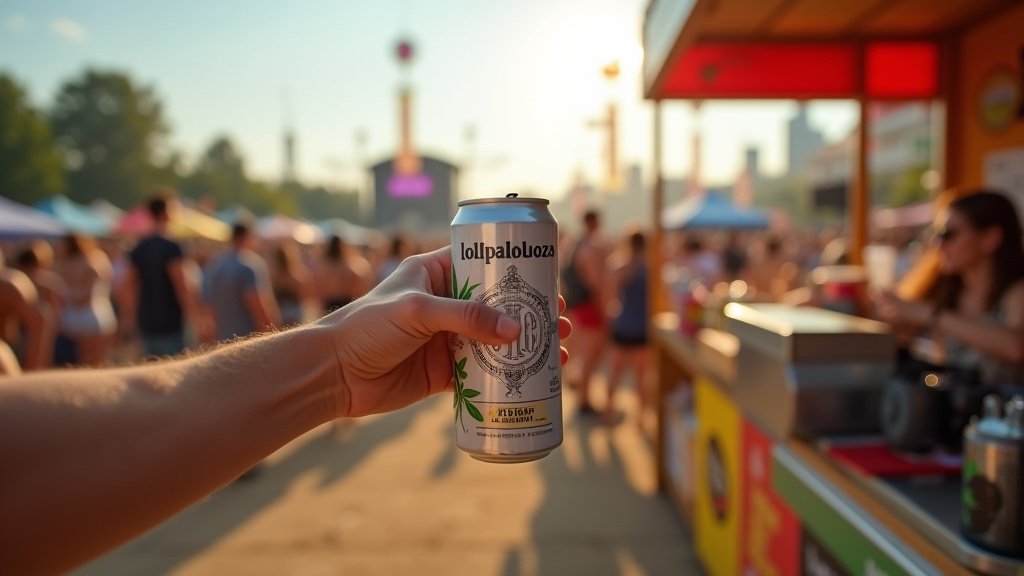
As more jurisdictions worldwide embrace the legalization of recreational cannabis, a distinctive new sector is rapidly emerging within the global travel industry: cannabis tourism. This trend is fundamentally transforming how travelers choose destinations and engage with local cultures, moving beyond simple retail transactions to encompass a wide array of immersive experiences.
This burgeoning market reflects increasing mainstream acceptance of cannabis use and a growing demand among travelers for unique, experience-driven itineraries. It represents a significant economic opportunity for destinations that have legalized adult-use marijuana, contributing to local economies through various revenue streams including hospitality, dining, entertainment, and direct cannabis sales.
Understanding the Market Shift
The rise of cannabis tourism is directly linked to evolving legal landscapes. As states, provinces, and countries relax or eliminate prohibitionary laws, they create environments where cannabis consumption, purchase, and related activities can be openly integrated into the visitor experience. This shift is not merely about providing access to cannabis products; it’s about cultivating a distinct niche within the tourism sector that caters to enthusiasts and curious newcomers alike.
Forecasting firm Grandview Research highlights the significant potential of this market. According to their analysis, the U.S. cannabis tourism market alone is projected to reach a staggering $23.7 billion by the year 2030. This projection underscores the scale of the economic activity expected from this specialized form of tourism in just one major market.
Economic Impact and Benefits
The economic benefits of cannabis tourism extend far beyond the point of sale for cannabis products. Destinations that welcome cannabis-friendly visitors see ripple effects across their entire local economy. Increased demand for lodging facilities, including 4/20-friendly hotels and short-term rentals, drives revenue for the accommodation sector. Similarly, restaurants, bars, entertainment venues, and local transportation services all benefit from the influx of tourists.
Furthermore, the development of specialized cannabis-related businesses and experiences creates jobs and stimulates local entrepreneurship. This includes everything from guided tours and educational workshops to specialized retail and hospitality services. The tax revenue generated from cannabis sales themselves provides an additional, often substantial, source of funding for state and local governments, which can then be reinvested in public services.
Diverse Experiences on Offer
The appeal of cannabis tourism lies in its diverse offerings, catering to a wide range of interests.
Visitors can engage in farm-to-table tours that provide insight into the cultivation process, often culminating in gourmet meals paired with cannabis or infused with cannabinoids. Cannabis-infused cooking classes offer hands-on opportunities to learn how to incorporate marijuana into culinary creations safely and effectively.
Accommodation options are expanding to include canna-friendly lodging, ranging from boutique hotels with designated consumption areas to private rentals equipped for cannabis use. Wellness retreats are incorporating cannabis into their services, offering spa treatments, yoga sessions, and meditation practices that utilize cannabis products.
Themed tours are becoming popular, highlighting the history of cannabis in specific regions or focusing on the architectural and cultural landmarks within cannabis-friendly districts. Finally, cannabis events and festivals draw large crowds, combining music, food, art, and educational programming centered around the plant, creating vibrant cultural experiences that contribute significantly to local economies and destination branding.
Challenges and Future Outlook
Despite its rapid growth, the cannabis tourism sector faces challenges, primarily stemming from the complex and often contradictory legal frameworks surrounding cannabis at federal and international levels. Regulations regarding consumption in public, transportation across borders, and banking services for cannabis businesses remain hurdles that require navigation.
However, as legalization continues to spread and societal attitudes evolve, the infrastructure supporting cannabis tourism is expected to mature. Destinations are likely to develop more sophisticated offerings, and industry standards for safety, quality, and visitor experience will solidify. The projected growth indicates a strong trajectory for this niche market.
In conclusion, the cannabis industry is indeed sparking a new era of tourism. By offering novel experiences that blend leisure, education, and lifestyle, it is attracting a new demographic of travelers and creating significant economic opportunities for destinations that embrace this evolving trend. As the legal landscape continues to shift, cannabis tourism is poised to become an increasingly prominent feature of the global travel industry.