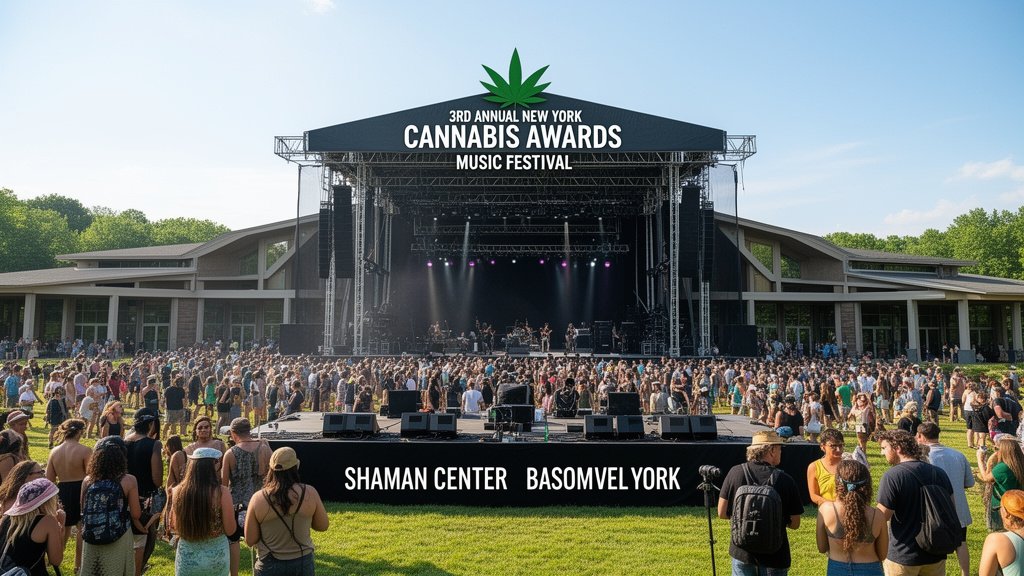
A stark warning has been issued by Dr. (Col) Joy Dev Mukherji, one of India’s leading neurologists, highlighting a concerning trend: the growing social acceptance of recreational drugs, particularly cannabis, is increasingly leading to severe neurological emergencies, including strokes and seizures, among the nation’s youth. Dr. Mukherji emphasizes that while cannabis is often normalized, it carries significant risks, capable of triggering critical health complications.
A Neurologist’s Urgent Alert
Speaking in an ANI podcast, Dr. Mukherji, who possesses over 28 years of clinical experience, expressed deep alarm over the escalating normalization of recreational and ‘party’ drugs. He asserted that there is “absolutely no justification” for drug use, unequivocally rejecting the notion of ‘safe party drugs.’ He noted that substances are frequently portrayed as harmless by vested interests, a narrative he deems “clearly, unequivocally harmful.” Dr. Mukherji pointed out that such substances are often consumed under the guise of enhancing experiences, sometimes linked to music and social trends, but the reality, he stressed, is their dangerous potential, including causing strokes, headaches, lung problems, and cardiac issues.
India’s Youth and the Escalating Drug Crisis
The statistics paint a worrying picture of substance abuse in India, particularly among young people. According to the 2019 National Survey on Extent and Pattern of Substance Use, approximately 2.8% of the population, equating to 3.1 crore individuals, reported using cannabis in the past year. The states with the highest prevalence of cannabis use are Uttar Pradesh, Punjab, Sikkim, Chhattisgarh, and Delhi. This trending issue is compounded by factors such as academic pressure, the pervasive influence of social media, and easy accessibility to drugs, leading many young individuals to view substance use as a rite of passage or a social norm.
The perception that drugs are ‘cool’ or a way to escape life’s pressures is a significant driver behind this alarming trend. Experts warn that this normalization, coupled with a lack of awareness about the severe health consequences, is creating a public health crisis.
The Science Behind Cannabis-Related Strokes
Neurological research increasingly highlights the biological mechanisms linking cannabis consumption to cerebrovascular events. Tetrahydrocannabinol (THC), the primary psychoactive component in cannabis, can cause an acute, dose-dependent increase in blood pressure and heart rate, placing strain on the cardiovascular system. Studies suggest that chronic cannabis use can impair cerebrovascular function, potentially leading to arterial stenosis—a narrowing of the arteries—which is a known risk factor for ischemic strokes, particularly in younger individuals.
Furthermore, cannabis use has been associated with reversible cerebral vasoconstriction syndrome (RCVS), characterized by temporary narrowing of brain arteries, which can precipitate strokes. Another proposed mechanism involves THC’s effect on platelets; it can increase platelet aggregation, a process that contributes to blood clot formation and raises the risk of ischemic stroke. The act of smoking cannabis itself introduces harmful toxins and particulate matter, which can contribute to the buildup of plaque in blood vessels, further increasing cardiovascular risk.
A comprehensive review of data indicates that cannabis use is linked to a heightened risk of stroke, with some studies suggesting a 20% increased risk and daily users facing up to 42% higher odds of experiencing a stroke.
Wider Neurological and Health Repercussions
Beyond the immediate risk of stroke, cannabis use has significant implications for brain health. It directly impacts brain functions responsible for memory, learning, attention, decision-making, coordination, emotions, and reaction time. This is particularly concerning for adolescents, whose brains are still developing. Long-term or heavy cannabis use, especially when initiated during adolescence, has been linked to persistent deficits in cognitive functions, including memory and attention, and may even affect IQ.
Dr. Mukherji also noted that cannabis can trigger seizures and cardiac problems, underscoring the systemic impact of these substances. The growing popularity of high-potency cannabis products further exacerbates these risks, as increased THC concentration correlates with greater adverse effects.
A Call for Public Health Intervention and Awareness
Dr. Mukherji stressed the need for urgent policy-level interventions to address the growing burden of neurological conditions in India, noting that many regions still rely on outdated practices for treating conditions like epilepsy and stroke. He called for greater awareness of neurological disorders, improved medical evacuation systems, and crucially, more affordable and comprehensive health insurance coverage to ensure that modern treatments are accessible to all, including those in rural areas.
This news underscores the critical need for public health campaigns to educate individuals, especially young people, about the severe and often underestimated risks associated with cannabis and other recreational drugs. The normalization of these substances is a dangerous path, and a concerted effort from healthcare providers, policymakers, and society is essential to mitigate these escalating health emergencies.