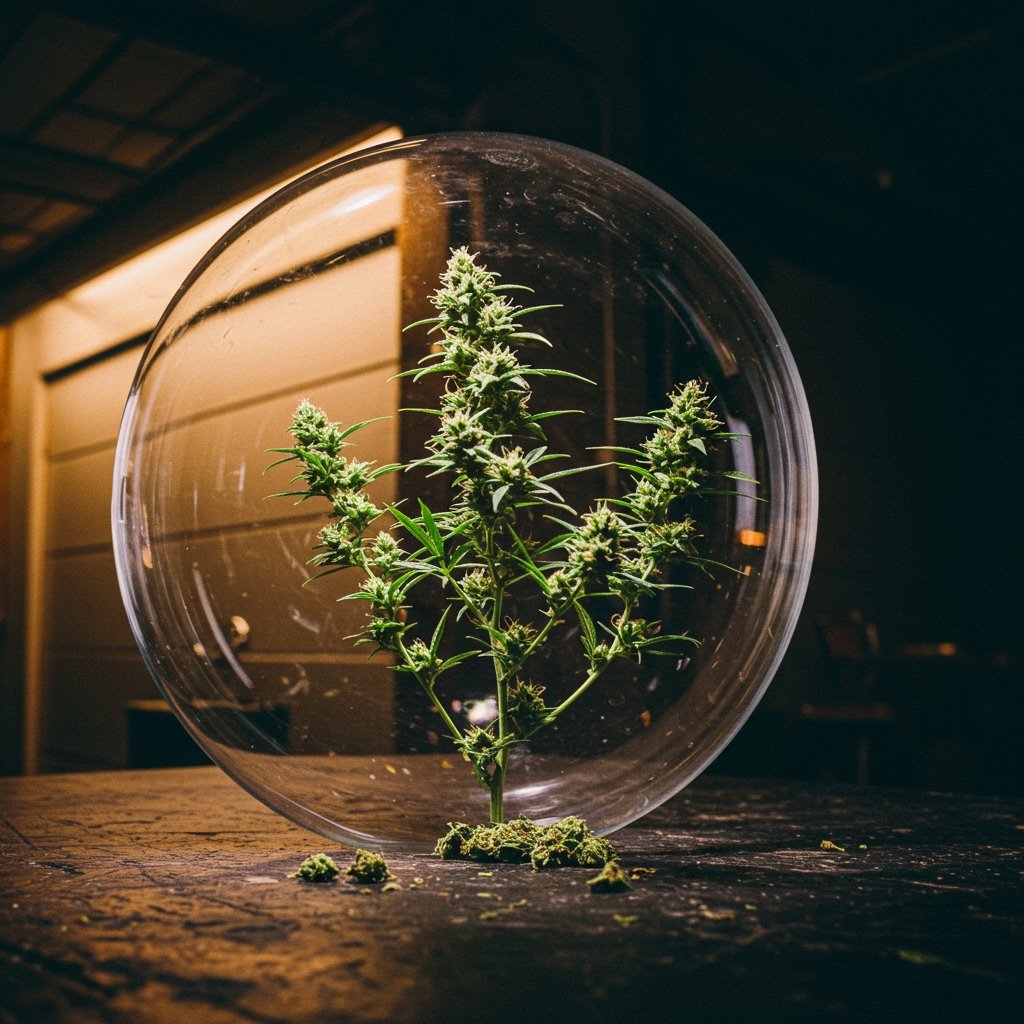
Report Details Growing Consumer Preference for THCV
According to the comprehensive Q2 2025 Cannabis Market Report, released today by leading industry analysts, high-THCV (tetrahydrocannabivarin) cannabis strains are currently experiencing a “significant surge” in both consumer demand and market share across several key regulated states within the United States. This notable shift in purchasing trends indicates an evolving palate among cannabis consumers, moving beyond traditional THC-dominant varieties towards cannabinoids associated with distinct, desirable effects.
Tetrahydrocannabivarin, or THCV, is a naturally occurring cannabinoid found in cannabis plants, particularly abundant in some Sativa strains native to Africa. While chemically similar to THC (delta-9-tetrahydrocannabinol), THCV interacts with the body’s endocannabinoid system in a unique manner. Unlike THC, which is widely known for its psychoactive effects that can include euphoria, relaxation, and sometimes appetite stimulation, THCV is often described as producing a more clear-headed, energizing experience. Crucially, THCV is frequently highlighted for its potential effects such as enhanced focus and, notably, appetite suppression, differentiating it significantly from THC’s typical effects, often referred to as the ‘munchies’.
Geographic Trends and Strain Popularity
The Q2 2025 report pinpoints specific regions witnessing this accelerated growth. California and Colorado, two of the nation’s largest and most mature regulated cannabis markets, have seen particularly notable sales increases for high-THCV products. Dispensaries operating within these states have provided anecdotal evidence supporting the report’s findings, reporting measurably higher interest and sales volume for specific high-THCV varieties. Strains like ‘Doug’s Varin‘ and certain phenotypes of ‘Pineapple Purps‘ known to express higher-than-average THCV levels were specifically mentioned by retailers as driving this trend at the point of sale.
This rising consumer interest is not merely a niche phenomenon but represents a material shift impacting supply chains. The trend is now directly driving cultivators to prioritize genetics rich in THCV during their breeding and cultivation processes. Meeting this evolving consumer preference and satisfying the increasing retail demand for THCV-specific products has become a key consideration for licensed producers aiming to remain competitive in a crowded market. Cultivators are actively seeking or developing cultivars that consistently produce high levels of THCV, sometimes alongside other cannabinoids, to cater to this segment of the market.
Understanding the Appeal of High-THCV Strains
The appeal of THCV appears to stem from consumers seeking cannabis experiences tailored to specific functional outcomes that differ from traditional recreational or medicinal THC use. The reported effect of enhanced focus makes high-THCV strains potentially attractive to individuals looking for daytime use options that support productivity or creative tasks without significant impairment or sedation. Furthermore, the appetite suppression effect offers a stark contrast to THC and is being explored by consumers interested in cannabis for potential weight management support or simply to avoid the common side effect of increased hunger associated with many cannabis varieties.
While the Q2 2025 Cannabis Market Report focuses on market trends, it underscores the growing consumer sophistication and their interest in the nuanced effects offered by different cannabinoids. The report suggests that as consumer education about cannabinoids like THCV, CBD, CBN, and others increases, demand will continue to diversify, pushing the industry towards more targeted product development.
Industry Response and Future Outlook
The market’s response is visible across the supply chain. Genetic banks and seed companies are noting increased inquiries for high-THCV cultivars. Processors are beginning to explore methods for isolating and concentrating THCV for use in vapes, edibles, tinctures, and other product formats, allowing consumers to access the cannabinoid without necessarily smoking flower. Retailers are dedicating more shelf space and educational materials to high-THCV options.
Challenges remain, including the relative scarcity of truly high-THCV genetics compared to THC-rich strains and the need for consistent testing and labeling to ensure consumers can reliably identify and purchase products meeting their desired cannabinoid profile. However, the signal from the Q2 2025 Cannabis Market Report is clear: THCV has moved from a lesser-known cannabinoid to a significant market driver. Its unique properties are resonating with a growing number of consumers in regulated states, prompting a fundamental shift in cultivation priorities and product development strategies across the cannabis industry. This trend is expected to continue influencing the market landscape as more consumers discover the distinct benefits associated with tetrahydrocannabivarin.