California Regulators Propose Sweeping Reforms for Cannabis Social Lounges
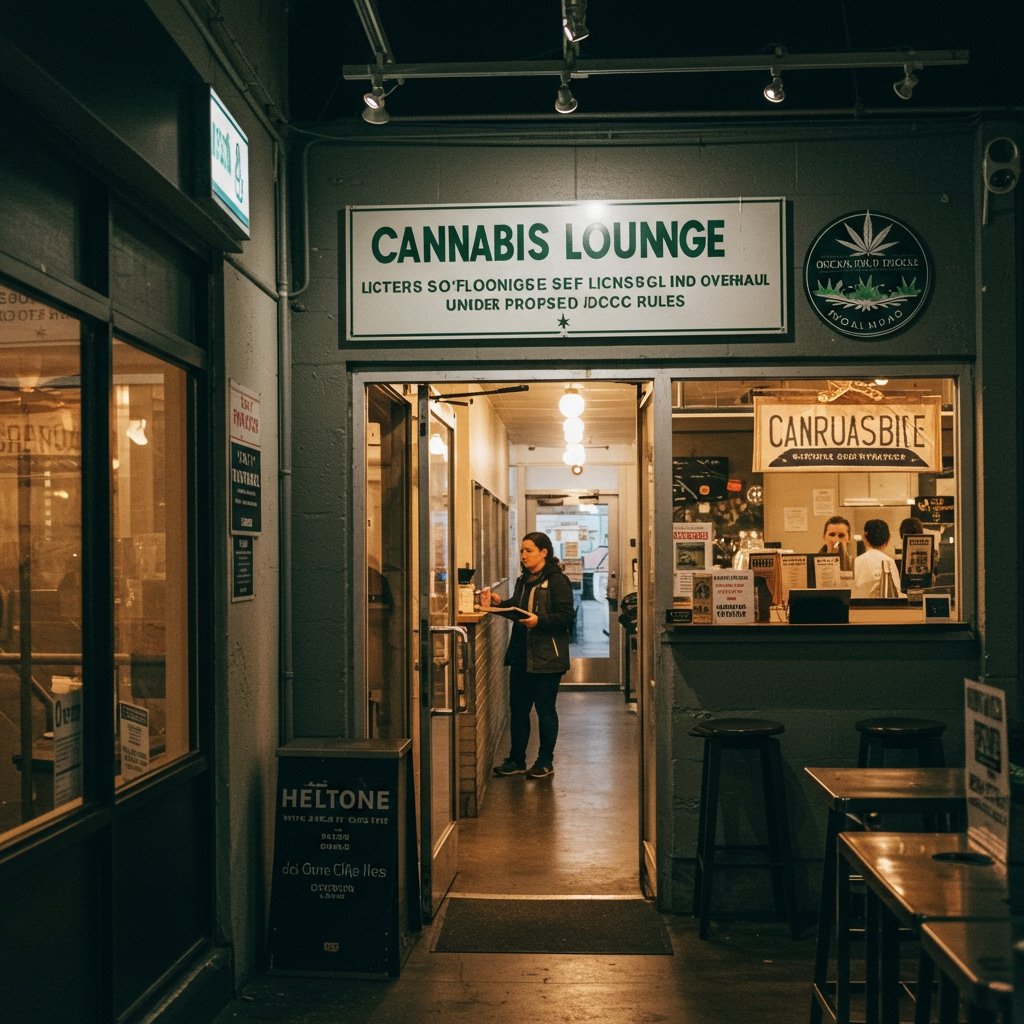
Sacramento, California – The California Department of Cannabis Control (DCC) has initiated a significant move to reshape the landscape of cannabis social consumption lounges across the Golden State. On June 6, 2025, the regulatory body unveiled a comprehensive set of proposed regulations intended to reform the licensing and operational framework governing these establishments. This ambitious overhaul, detailed in a 50-page document released for public comment, seeks to address existing challenges, streamline processes, and foster growth within California’s nascent cannabis hospitality sector.
The proposed rules represent a culmination of feedback from operators, consumers, and local jurisdictions, aiming to create a clearer, more predictable environment for cannabis lounges. Currently, navigating the complex interplay between state regulations and diverse local municipal restrictions poses a significant hurdle for businesses seeking to establish or operate consumption spaces. The DCC’s initiative is poised to provide much-needed clarity and potentially unlock new opportunities for legal public cannabis consumption.
Key Pillars of the Proposed Regulations
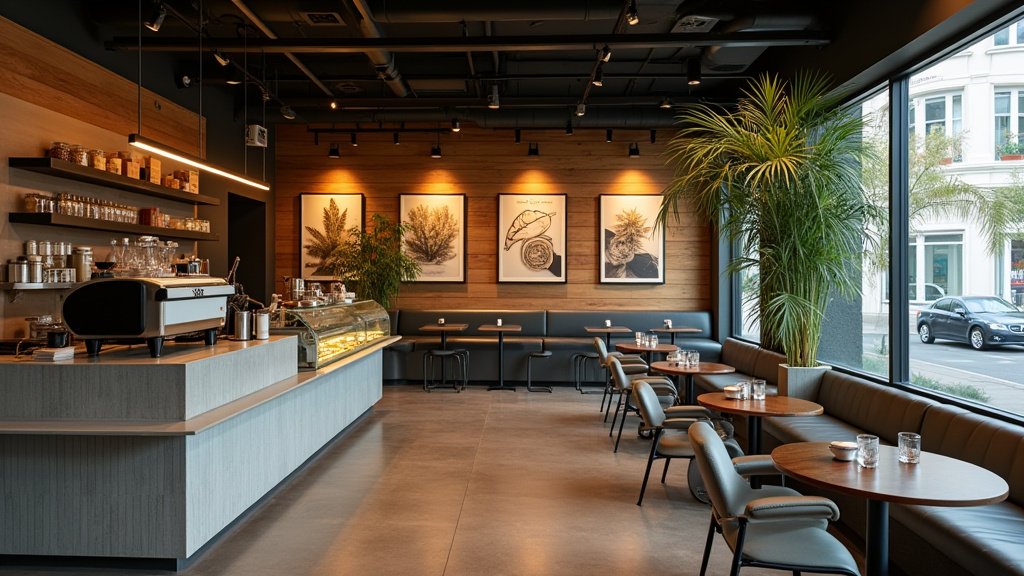
Central to the DCC’s proposal are several critical changes designed to enhance both the business viability of lounges and the consumer experience. A major highlight is the explicit allowance for licensed lounges to serve non-alcoholic beverages and prepared food on-site. This seemingly straightforward change has been a long-standing request from the industry. Under previous interpretations and limitations, lounges were often restricted to only selling cannabis products for on-site consumption, hindering their ability to operate as full-service hospitality venues comparable to bars or restaurants. Allowing food and non-alcoholic drinks is expected to make these venues more attractive to consumers looking for a complete social experience and provide additional revenue streams crucial for business sustainability.
Another pivotal aspect of the proposed regulations focuses on establishing specific operational standards, particularly concerning air quality and ventilation. The document outlines detailed requirements for ventilation and air quality standards to ensure a safe and comfortable environment for both patrons and employees. Addressing concerns about indoor air quality from cannabis smoke and vapor is paramount for public health and regulatory compliance. These standards are intended to mitigate potential odors and ensure adequate air circulation, creating a more pleasant atmosphere and addressing common complaints associated with indoor smoking or vaping environments. The clarity provided by these specific requirements will help operators design and maintain facilities that meet state-mandated health and safety criteria.
Furthermore, the proposed framework tackles the challenge of navigating local municipal restrictions. While state law provides a framework for cannabis businesses, cities and counties in California retain significant authority to ban or heavily restrict commercial cannabis activity within their borders, including consumption lounges. The DCC’s proposals aim to provide mechanisms or frameworks that help bridge the gap between state intent and local control, potentially by offering clearer guidelines on how state licensees can operate within local jurisdictions that permit lounges, or by establishing standards that localities can adopt. This aspect is crucial for the growth of the sector, as the current patchwork of local regulations is a major impediment to statewide expansion of legal consumption options.
Context and Implications
The release of this 50-page document on June 6, 2025, marks a critical step in the regulatory evolution of California’s cannabis market. Social consumption lounges are seen by many as a vital component missing from the current ecosystem, offering a legal and controlled environment for consumers, particularly tourists or renters, who lack suitable private spaces for consumption. The existing regulatory environment has led to a limited number of licensed lounges operating statewide, often facing significant operational and compliance challenges.
The DCC’s proactive approach through these proposed rules signals a commitment to fostering this segment of the market. By streamlining the application process – another stated goal within the proposal – the agency aims to reduce bureaucratic hurdles that have historically slowed down licensing for all types of cannabis businesses. A more efficient licensing pathway could encourage more entrepreneurs to enter the lounge space, increasing consumer access to legal consumption venues.
Industry experts have largely reacted positively to the proposed changes. Many suggest that these regulations could significantly expand legal public consumption options throughout California. The ability to offer food and beverages transforms lounges into more competitive hospitality venues, potentially attracting a wider customer base. Improved clarity on operational standards and local navigation provides operators with a clearer path to compliance and expansion. This expansion of the cannabis hospitality sector is anticipated to have a direct impact on consumer lifestyle choices, offering socially acceptable and regulated alternatives to consumption in public spaces or private residences where it may not be feasible or permitted.
The Path Forward: Public Comment Period
The proposed regulations are now subject to a public comment period, providing stakeholders – including current licensees, prospective operators, consumers, advocacy groups, and local government officials – with an opportunity to review the detailed proposals and provide feedback. The DCC will consider all submitted comments before finalizing the rules. This public input phase is a crucial part of the administrative rulemaking process, ensuring that the final regulations are informed by the experiences and perspectives of those most affected.
The outcome of this regulatory process will significantly shape the future of cannabis social consumption in California. If adopted, these rules have the potential to not only boost the state’s cannabis hospitality sector but also provide a model for other jurisdictions considering the establishment of regulated consumption spaces. The industry eagerly awaits the final version of these rules, hoping they will pave the way for a thriving and accessible lounge market.