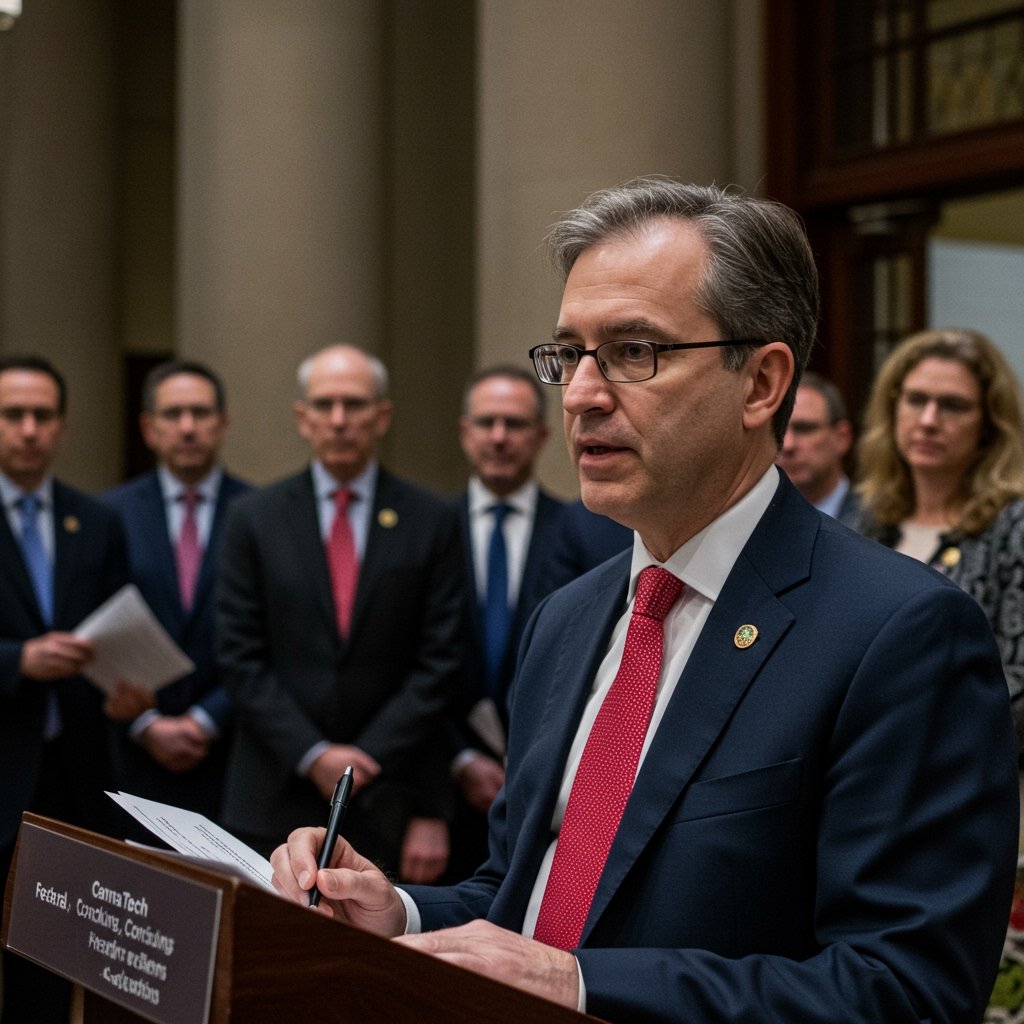
CannaTech Boston 2025 Wraps Up, Focusing on Federal Banking and State Reform
Boston, MA – The annual CannaTech Summit 2025 successfully concluded in Boston, Massachusetts, on June 7, bringing together a diverse assembly of industry leaders, policymakers, investors, and innovators. The summit served as a critical platform for examining the evolving landscape of the regulated cannabis market, with discussions heavily focused on pivotal legislative efforts at both the federal and state levels, alongside the economic realities shaping the industry.
Central to the discourse throughout the two-day event was the potential passage of the SAFER Banking Act in the United States Congress. This proposed legislation aims to provide \”safe harbor\” for financial institutions serving state-legal cannabis businesses, a move widely seen as essential for the industry’s maturation and integration into the mainstream economy. Speakers and attendees alike underscored the current challenges faced by cannabis companies operating largely on a cash basis due to limited access to traditional banking services, ranging from basic checking accounts to access to capital and electronic payment systems. The consensus among participants reflected a position of cautious optimism regarding the prospects for federal reform. While acknowledging the historical hurdles and political complexities inherent in passing cannabis legislation at the federal level, many expressed hope that growing bipartisan support and increasing awareness of the economic benefits and public safety implications of better banking access could pave the way for the SAFER Banking Act’s eventual enactment. The sentiment was that while immediate, comprehensive federal legalization might remain a longer-term goal, securing fundamental financial services through SAFER represents a crucial and achievable intermediate step.
Alongside the federal legislative outlook, significant attention was also directed towards ongoing state-level legalization initiatives. States continue to serve as the primary laboratories for cannabis policy and market development in the absence of comprehensive federal regulation. A key point of discussion was the anticipated recreational cannabis ballot initiative in Florida. Regarded as potentially one of the largest adult-use markets in the Eastern United States, the progress and potential outcome of this initiative were closely watched, highlighting the significant impact state voters and legislatures have on the industry’s expansion. Updates on regulatory frameworks, market performance, and social equity programs across various states were also shared, painting a picture of a state-regulated market that continues to grow and adapt, albeit with varying speeds and structures.
The summit also delved into the crucial topic of investment strategies amidst challenging economic conditions. The cannabis industry, like many sectors, has faced headwinds in recent years, including tightening capital markets, fluctuating valuations, and inflationary pressures. Experts discussed how investors are adjusting their approaches, favoring companies with strong fundamentals, demonstrated profitability, and clear pathways to sustainable growth. Strategies explored included focusing on specific market segments (e.g., medical, adult-use, specific product types), optimizing operational efficiencies, and navigating complex funding rounds. The dialogue emphasized that despite broader economic uncertainty, strategic and well-informed investment opportunities still exist within the cannabis sector for those capable of identifying resilient business models and understanding the unique market dynamics.
A recurring theme was the critical importance of navigating complex state and federal regulatory frameworks. The divergence between state-level legality and federal prohibition creates unique operational and legal challenges for businesses. Compliance with varying state rules, managing the implications of federal laws like IRS Tax Code 280E (which prevents cannabis businesses from deducting ordinary business expenses), and understanding the limitations this imposes on interstate commerce and capital raising were highlighted as paramount concerns. Speakers provided insights into best practices for ensuring compliance, managing legal risks, and advocating for regulatory environments that support responsible industry growth. The complexity of this landscape, panelists noted, significantly impacts everything from daily business operations and long-term strategic planning to the logistical execution of future industry events.
In conclusion, the CannaTech Summit 2025 in Boston provided a comprehensive look at the current state and future prospects of the regulated cannabis industry. While the path forward remains subject to legislative and economic uncertainties, the discussions underscored a prevailing sense of cautious optimism regarding federal banking reform and confidence in the continued, albeit complex, growth of state-level markets. The summit reinforced the necessity for vigilance in navigating intricate regulations and highlighted the evolving strategies required for investment and operational success. As the industry continues to mature, platforms like CannaTech remain vital for fostering dialogue, sharing knowledge, and collaboratively addressing the challenges and opportunities that lie ahead.