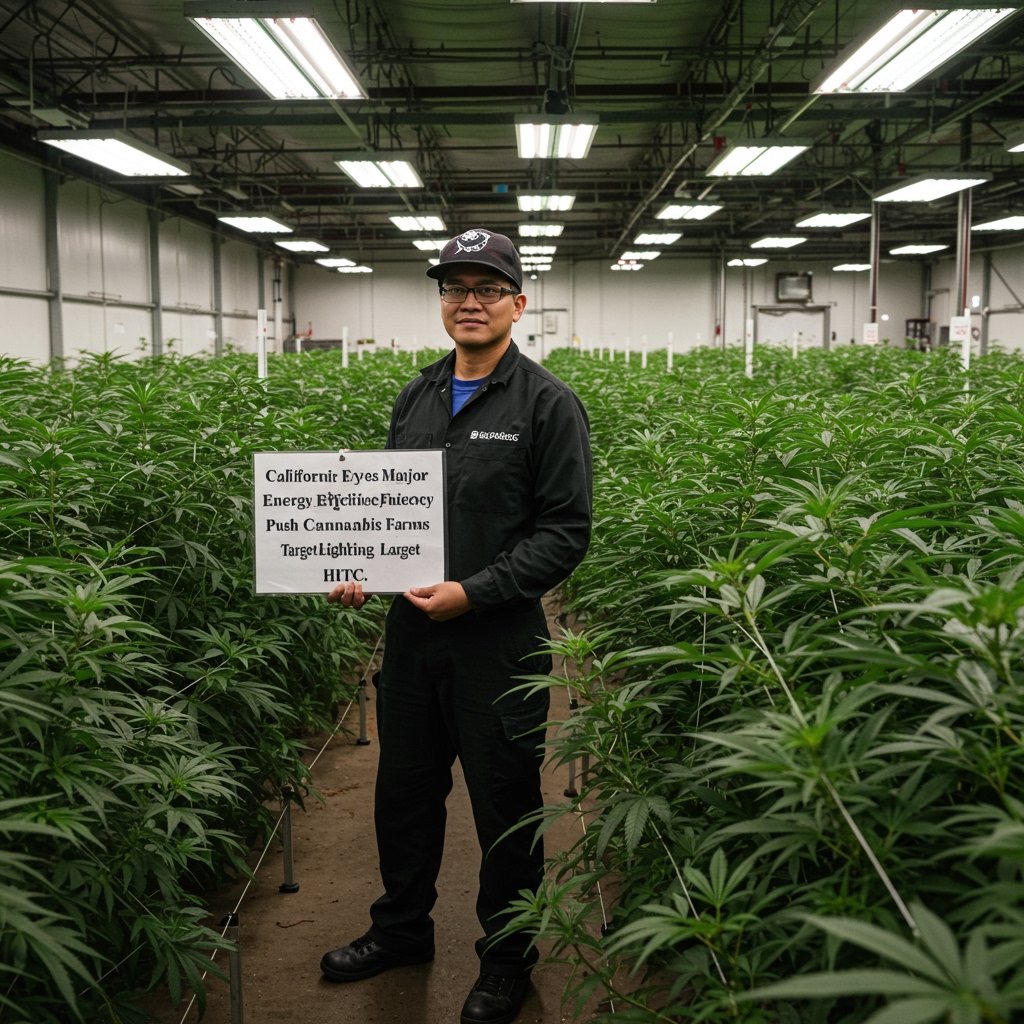
California Proposes Strict New Energy Efficiency Standards for Cannabis Cultivation Lighting and HVAC
Sacramento, CA – The California Department of Cannabis Control (DCC) has officially unveiled a significant proposal aimed at curbing the substantial energy consumption within the state’s licensed cannabis cultivation facilities. Released on June 8th, 2025, in a detailed draft document, these potential regulatory changes specifically target energy efficiency standards for horticultural lighting systems and environmental controls, most notably heating, ventilation, and air conditioning (HVAC) equipment.
The move by the DCC underscores a growing focus on the environmental impact of the burgeoning cannabis industry, which has long been criticized for its high energy footprint, particularly in indoor and mixed-light operations. The intensive energy demands of high-powered grow lights and sophisticated climate control systems contribute significantly to greenhouse gas emissions, presenting a challenge to California’s ambitious climate goals.
According to the DCC, the primary objective of the proposed regulations is to “significantly reduce the industry’s substantial energy footprint.” This initiative is framed as a direct effort to align the cannabis sector’s operations with broader state environmental policies and mandates aimed at combating climate change and promoting sustainability across all industries. By establishing stringent new standards, the department seeks to incentivize or mandate the adoption of more energy-efficient technologies and practices among cultivators.
The draft regulations outline specific performance metrics and requirements that lighting and HVAC systems used in licensed cultivation facilities would need to meet. While the precise technical details are still under review and subject to potential modification based on public input, the proposal clearly signals an intent to move beyond current industry practices towards more sustainable energy use patterns.
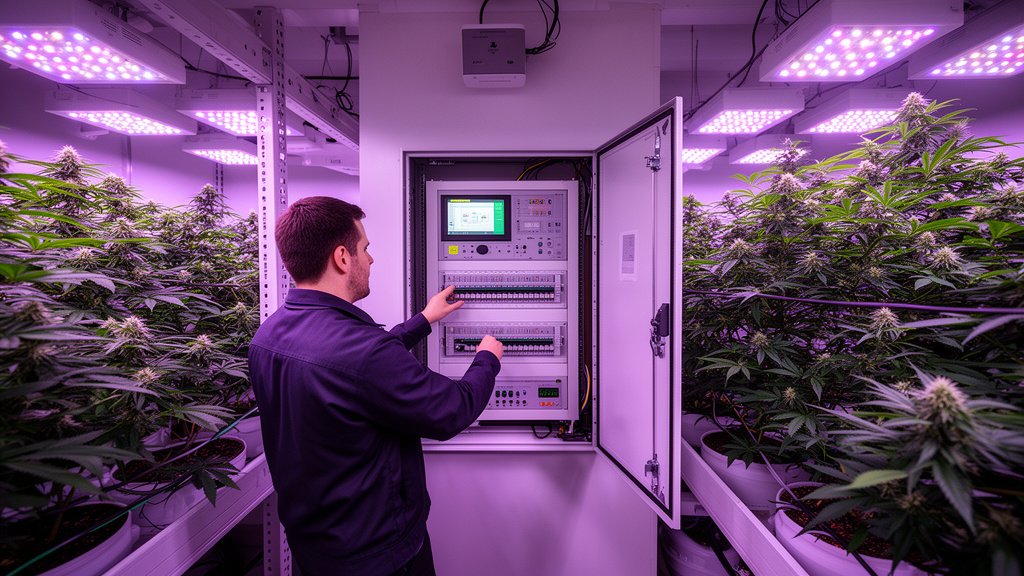
For cannabis cultivators across California, these proposed rules could necessitate substantial operational adjustments and potentially significant financial investments. Compliance might require replacing older, less efficient equipment with newer, energy-saving models or implementing advanced energy management systems. This could involve upgrading to state-of-the-art LED horticultural lighting, optimizing HVAC systems for maximum efficiency, or integrating renewable energy sources where feasible.
The DCC recognizes the potential impact on businesses and has initiated a public comment period to gather feedback from industry stakeholders, environmental advocates, and the general public. The draft document and associated details were made publicly available on June 8th, 2025, allowing interested parties time to review the proposed changes and assess their potential implications. Stakeholders have until July 15th, 2025, to submit formal comments to the department. This feedback period is crucial for identifying potential challenges, suggesting alternative approaches, and ensuring the final regulations are both effective in achieving energy reduction goals and practical for businesses to implement.
The energy intensity of cannabis cultivation, particularly indoors, is a well-documented issue. Studies have shown that the energy used to grow cannabis indoors can be orders of magnitude higher per square foot than many other agricultural products. This energy consumption is often a major operational cost for cultivators and a significant source of carbon emissions. The DCC’s proposal directly confronts this challenge by targeting the two most energy-intensive components of cultivation: artificial lighting and climate control.
Environmental advocates have long called for stronger regulations to address the cannabis industry’s environmental impact, praising steps like this as necessary for the industry’s long-term sustainability and integration into a state committed to green energy. However, some cultivators, particularly small to medium-sized operations, may express concerns about the cost of upgrading equipment and the potential disruption to their businesses, especially in a competitive market.
The DCC stated that the proposed standards were developed after careful consideration and consultation with energy experts and aim to balance environmental goals with the need for a viable regulated cannabis market. They emphasize that while initial investments in energy-efficient technology can be significant, they often lead to lower operating costs in the long run through reduced energy bills.
Cultivators statewide are encouraged to review the draft regulations thoroughly and participate actively in the public comment process before the July 15th, 2025, deadline. The final shape of these potentially transformative energy efficiency standards will likely be influenced by the feedback received during this critical period.