BANGKOK – Thailand, which made international headlines by decriminalizing recreational cannabis use in 2022, is set to significantly reverse course with the implementation of stringent new regulations effective July 1, 2025. These measures effectively end recreational use of cannabis across the country, mandating a doctor’s prescription for all legal purchases, applicable to both tourists and local residents. The move strictly limits cannabis use to medical and health purposes only, marking a dramatic shift from the relatively relaxed approach seen since decriminalization.
Sweeping Changes for Cannabis Access
The core of the new regulatory framework is the requirement for a valid medical prescription to purchase cannabis. This departs sharply from the previous environment where cannabis flowers and products were widely available without such restrictions, fueling a burgeoning ‘weed tourism’ sector.
Under the new rules, obtaining cannabis will necessitate a formal medical diagnosis and authorization from a qualified healthcare professional. This applies regardless of whether the purchaser is a Thai citizen or a foreign visitor.
New Prescription Form and Medical Professional Requirements
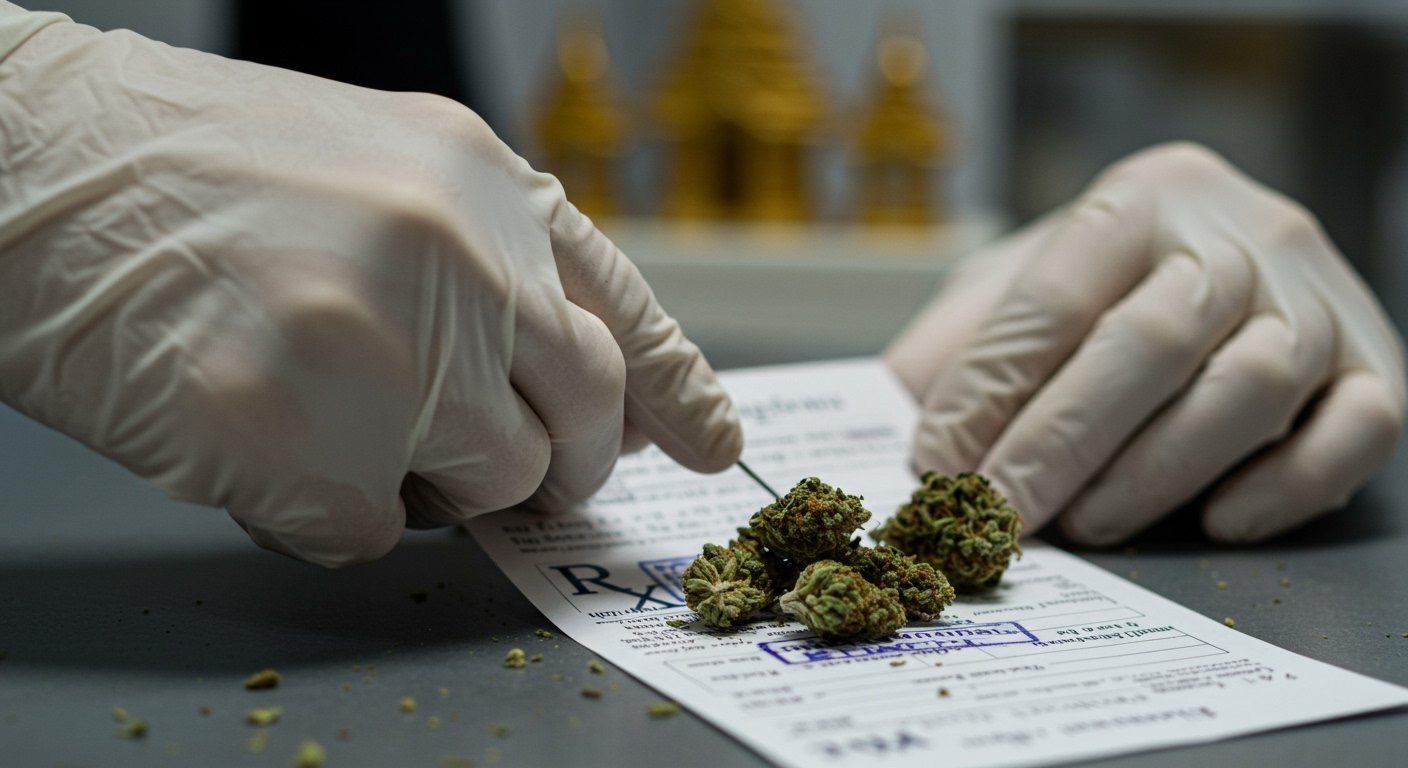
Detailed requirements for the mandatory prescription form have been outlined in new draft ministerial regulations from the Department of Thai Traditional and Alternative Medicine (DTAM). These regulations were announced by Director-General Dr Somruek Chungsaman on June 30, 2025. The new form is significantly stricter than previous informal systems, designed to ensure traceability and legitimacy of medical cannabis use.
The prescription form will require the identification and license numbers of the certifying medical professional. This professional must belong to one of seven designated fields: General Medicine, Thai Traditional Medicine, Applied Thai Traditional Medicine, Dentistry, Pharmacy, Chinese Traditional Medicine practitioners, or Folk Doctors. This specification aims to ensure that cannabis is prescribed only by licensed practitioners recognized by the Thai medical system.
Patient details must also be comprehensively documented on the form. This includes the patient’s name, age, nationality, ID card number, and diagnosed condition. Furthermore, prescribed quantities of cannabis will be limited to a 30-day supply, preventing stockpiling and controlling distribution.
Prohibitions and Sales Channel Restrictions
The new regulations introduce clear prohibitions on various aspects of cannabis use and sale that were common under the decriminalized regime. Smoking cannabis on-site at dispensaries or other locations will be strictly prohibited. This measure addresses public health and nuisance concerns that arose during the period of recreational availability.
In a bid to tighten control over distribution channels and ensure compliance with the medical-only mandate, online sales of cannabis will be banned. Similarly, sales via vending machines, which offered easy and anonymous access, will also be prohibited.
Legally, sales will only be permitted upon presentation of a valid prescription. To ensure accountability and allow for monitoring, shops will be required to retain all dispensed prescriptions. These retained prescriptions must be made available for monthly departmental inspections by the relevant authorities.
Permitted Medical Conditions for Cannabis Use
The medical guidelines underpinning the new regulations specify the conditions for which cannabis can be legally prescribed. In modern medicine, cannabis use is permitted for four specific conditions: epilepsy, nausea and vomiting resulting from cancer treatment, neuropathic pain, and muscle spasticity. These are conditions where cannabis or cannabinoid-based medicines have demonstrated therapeutic potential.
Within the framework of Thai Traditional Medicine, cannabis use is permitted for eight symptom groups. These include, but are not limited to, nausea, vomiting, headaches, appetite loss, and cancer-related pain. The inclusion of traditional medicine practices reflects Thailand’s integrated healthcare approach.
Impact on the Cannabis Industry and Future Steps
The shift back to a medical-only model is poised to have a significant impact on Thailand’s burgeoning cannabis industry. An estimated 12,000 cannabis flower shops across the country face potential closure. The licenses under which many of these establishments currently operate are set to expire later this year. Under the new regulatory environment, these shops may not be able to renew their licenses for recreational sales, forcing them to either transition to a medical model (which requires strict adherence to the new prescription rules and potentially different licensing) or cease operations.
The drafting of new ministerial regulations specifically concerning shop licensing is still ongoing. This process is crucial for determining the future landscape of cannabis retail in Thailand under the new rules.
Public hearings regarding these draft regulations are currently scheduled to continue until July 12. These hearings provide a platform for stakeholders, including business operators, medical professionals, and the public, to provide input before the final regulations are enacted. The outcome of these consultations will further clarify the requirements and potential pathways for businesses wishing to operate within the new medical framework.
Conclusion
Thailand’s move to implement strict, medical-only cannabis regulations from July 1, 2025, marks a significant policy reversal just a few years after widespread decriminalization. The introduction of mandatory prescriptions, limitations on conditions treated, and strict controls on sales channels signals a clear intention to prioritize public health and medical access over recreational use and the associated tourism boom. The changes present substantial challenges for the thousands of businesses that emerged during the decriminalization period, underscoring the evolving and sometimes uncertain regulatory environment surrounding cannabis globally.