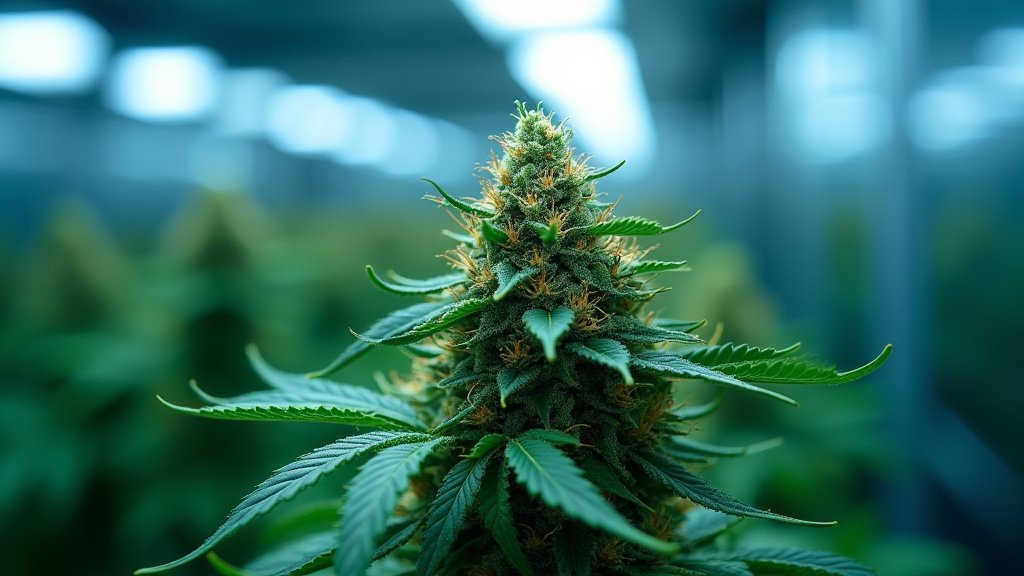
BANGKOK, Thailand – Just three years after becoming the first country in Southeast Asia to decriminalize cannabis, Thailand’s government has dramatically reversed course, implementing stringent new regulations that threaten to dismantle a burgeoning billion-dollar industry. The abrupt policy shift, spearheaded by Public Health Minister Somsak Thepsuthin, aims to curb recreational use and re-establish strict state control over the plant, sending shockwaves through businesses that have invested heavily in the market.
Under the new rules, the sale of cannabis buds – the primary component sought by recreational users – now requires a doctor’s prescription. This measure is explicitly designed to eliminate the recreational market that flourished following the 2022 decriminalization. Furthermore, in a move that has drawn widespread concern from industry stakeholders, Minister Thepsuthin plans to relist cannabis on the country’s controlled narcotics list within a rapid 45-day timeframe. This places cannabis alongside substances like cocaine and heroin, signaling a return to a highly restrictive legal framework.
The Rationale Behind the Reversal
The government justifies this dramatic policy reversal by citing a number of public health and safety concerns. Officials point to a reported rise in overdoses among children and adolescents and an increase in smuggling as key drivers for the change. They contend that the original decriminalization in 2022 was always intended solely for medical and health purposes, a distinction they argue was blurred or ignored by the rapid expansion of the recreational market.
Supporting the government’s move is Smith Srisont, president of Thailand’s Association of Forensic Physicians. Srisont has publicly endorsed the decision to relist cannabis as a narcotic, highlighting health risks associated with its widespread use, particularly among younger populations. He points to studies that, according to him, show an increase in cannabis-related health issues in youth since the plant was removed from the narcotics list.
Businesses Face an Uncertain Future
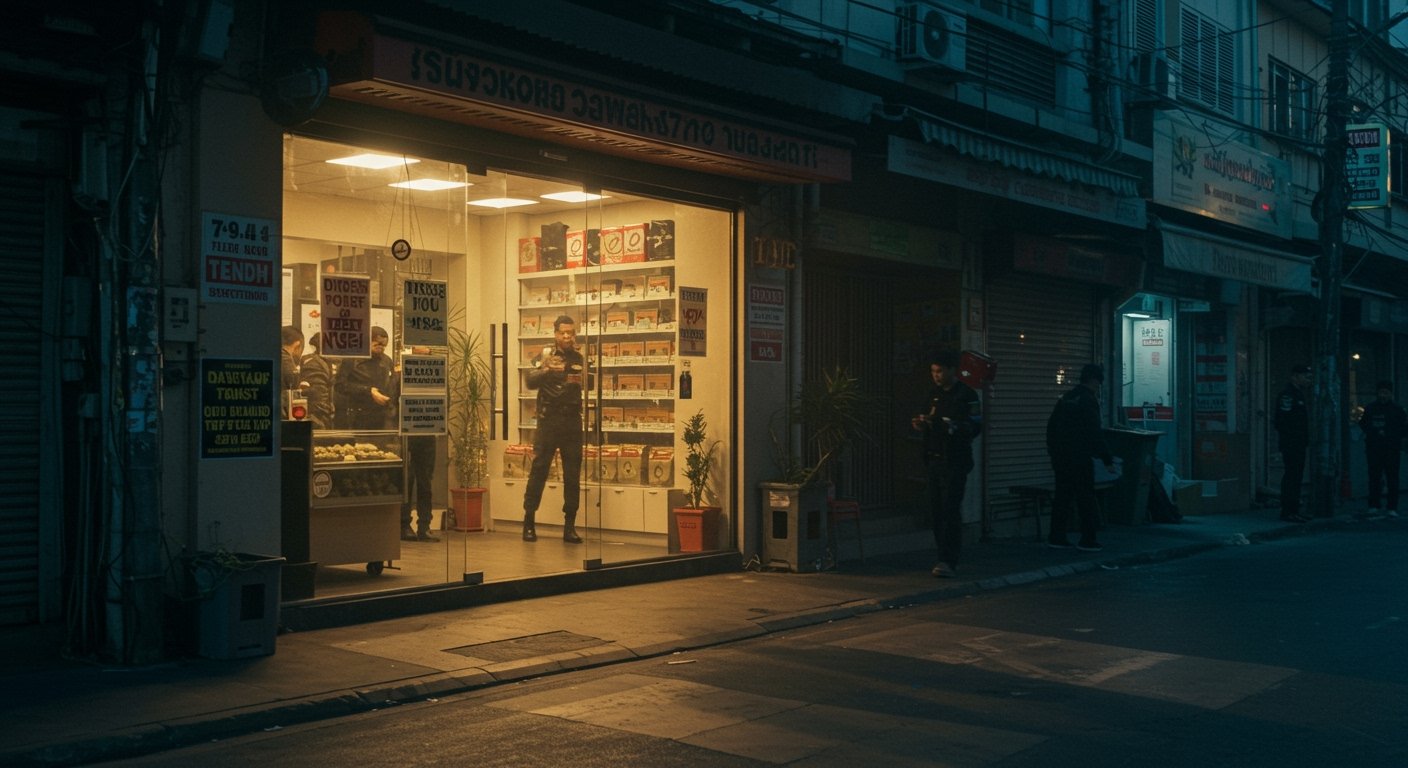
The impact on the estimated tens of thousands of cannabis dispensaries and related businesses that have sprung up across the country has been immediate and severe. Many operators who invested significant capital and effort into establishing legal enterprises now face the prospect of closure or drastically altered business models.
Dispensaries like Wonderland, a prominent outlet, have reported significant drops in sales since the new regulations took effect. The owner of Wonderland, Nanuephat Kittichaibawan, described the situation as a struggle for survival, highlighting the impact on not just owners but also the employees who rely on the business for their livelihoods. Similarly, Faris Pitsuwan, who owns multiple dispensaries, echoed these concerns, stating that sales have plummeted, leaving businesses in precarious positions.
These entrepreneurs argue that the rapid policy shift punishes legitimate businesses and fails to distinguish between regulated, quality-controlled operations and the illicit market the government aims to combat. They had envisioned a regulated industry that could contribute significantly to the Thai economy through tourism, agriculture, and retail, but now see that vision evaporating.
Economic Implications and Way Forward
The swift transition back to stricter controls raises questions about the future of foreign and domestic investment in Thailand’s cannabis sector. The billion-dollar industry that emerged post-decriminalization included not only retail dispensaries but also cultivators, processors, and ancillary service providers. The relisting of cannabis as a narcotic is expected to severely restrict the activities of many of these businesses, potentially leading to widespread closures and job losses.
While the government emphasizes its commitment to public health and controlling drug use, critics argue that the policy reversal is too abrupt and lacks sufficient transition measures for existing businesses. They call for clearer guidance, a more phased approach, and perhaps alternative frameworks that could allow for controlled medical and potentially even highly regulated adult-use markets, rather than a wholesale return to prohibition.
The next 45 days will be crucial as the relisting process unfolds. Businesses are scrambling to understand the full implications of being categorized alongside hard drugs and are exploring legal and operational strategies to adapt, if possible. The dream of a thriving, regulated cannabis industry in Thailand, once a source of national pride and economic optimism, now hangs precariously in the balance, a stark reminder of the volatility inherent in rapidly evolving regulatory landscapes.