Washington D.C. – In a significant move reflecting shifting societal norms and persistent military recruitment challenges, Congress is advancing critical amendments to the National Defense Authorization Act (NDAA). These proposals aim to broaden eligibility for military service by expanding waivers for recruits with past marijuana use and to clarify policies allowing service members to use legal hemp products.
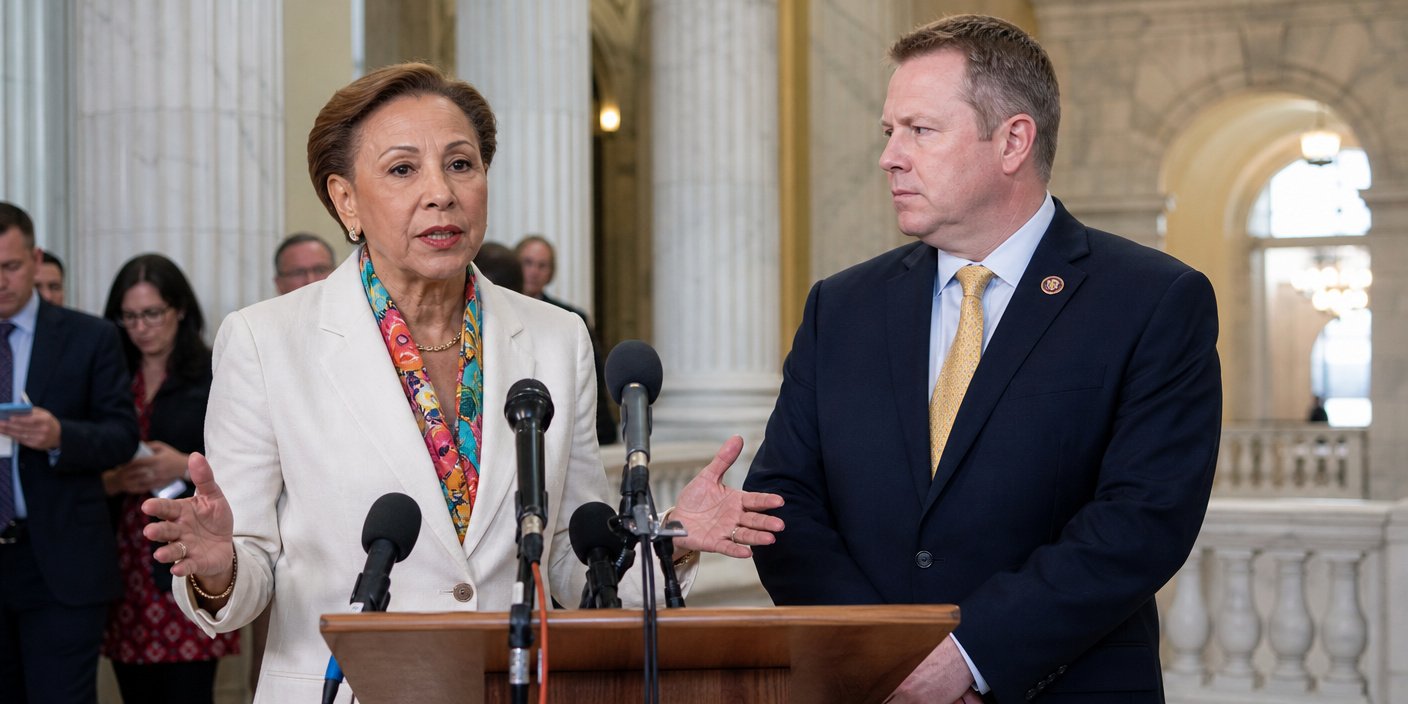
Republican lawmakers, including Representatives Dave Joyce (R-OH) and Tony Gonzales (R-TX), have spearheaded these amendments, which are currently under consideration by the House Rules Committee. This legislative push addresses a growing disconnect between state-level cannabis legalization and federal military policy, which has historically been a barrier to recruitment and a source of confusion for service members.
Addressing Military Recruitment Shortfalls
The U.S. military is grappling with a significant recruitment and retention crisis, with a substantial portion of young Americans deemed ineligible for service due to factors including drug use. As more states legalize marijuana for medical and recreational purposes, a larger pool of potential recruits have past cannabis use, often in compliance with state laws. Rep. Matt Gaetz (R-FL) has been a vocal proponent of ending marijuana testing as a condition for enlistment or commissioning, arguing that past use should not disqualify patriotic Americans from serving their country, especially amidst these critical recruitment challenges. Similar provisions were debated in previous NDAA cycles, highlighting the evolving congressional sentiment on the issue.
Clarifying Hemp Product Use for Service Members
Another key amendment seeks to codify that service members can lawfully use hemp products. This proposal directly responds to a series of Department of Defense (DOD) and individual military branch policies that have broadly prohibited the use of hemp-derived cannabinoids, including CBD, even when they are legal under federal law. For years, concerns about the potential impact on military drug testing programs and overall readiness have led to a strict stance, creating confusion and challenges for service members seeking to use these products. Previous efforts, such as those championed by Rep. Tulsi Gabbard (D-HI) in 2020, aimed to establish uniformity and permit the use of compliant hemp products, a goal that continues to be pursued.
Legislative Momentum and Broader Context
The advancements in the NDAA signal a broader trend in Washington to reconcile federal cannabis policy with state-level changes. The Justice Department’s recent move to reclassify marijuana as a less dangerous drug, shifting it from Schedule I to Schedule III under the Controlled Substances Act, further underscores this evolving landscape. While the proposed NDAA amendments are still navigating the legislative process, their progression through committees and potential inclusion in the final defense bill indicates a growing bipartisan recognition of the need for common-sense reforms.
In parallel, other legislative news indicates a dynamic period for cannabis policy. While licensed marijuana business operators express pessimism about federal rescheduling this year, other states are grappling with their own regulatory frameworks. These developments contribute to the ongoing national conversation surrounding cannabis policy and its impact on various sectors, including the military. The news is trending as lawmakers seek to modernize policies to better reflect societal changes and address critical needs like military readiness.
A Glimpse into the Future of Military Cannabis Policy
As these amendments progress, they represent a potential turning point for how the U.S. military approaches cannabis and hemp. By potentially easing marijuana testing for recruits and permitting the use of legal hemp products, Congress is signaling a willingness to adapt policies to a changing America. The outcome of these deliberations will be closely watched by military personnel, potential recruits, and advocates for cannabis reform alike, as it could pave the way for a more inclusive and pragmatic approach to military service in the cannabis era.