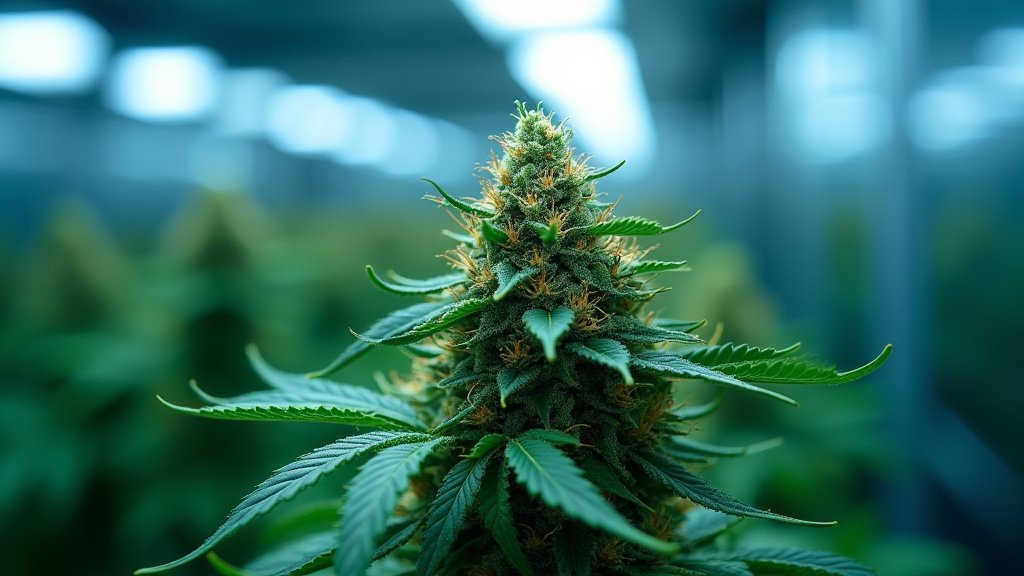
The landscape of cannabis use among college students is rapidly evolving, marked by increasing prevalence and significantly higher potency in modern products. As this trend continues, experts and researchers are underscoring the critical need for students to adopt healthy cannabis habits, moving beyond recreational experimentation to informed, responsible consumption.
The Shifting Sands of Cannabis Consumption
Recent data reveals a persistent rise in cannabis use among college-aged adults. In 2020, approximately 44% of college students reported using marijuana in the past year, a figure that has steadily climbed over the last decade and reached historic highs not seen since the 1980s. This upward trend is mirrored in daily use, which has also seen a notable increase among this demographic. The increasing availability and normalization of cannabis, particularly in states where it has been legalized for recreational or medical use, likely contribute to these shifting patterns.
Compounding these trends is the significant increase in the potency of cannabis products. Modern strains and concentrates often contain much higher levels of THC, the primary psychoactive compound, than in previous decades. This heightened potency means that even familiar consumption methods can deliver a more intense experience, amplifying potential risks.
Academic Performance Under Strain
The academic consequences of cannabis use are a growing concern for students and educational institutions alike. Research consistently links cannabis consumption to poorer academic outcomes. Studies indicate that frequent cannabis users tend to achieve lower GPAs, experience increased absenteeism, and are more likely to face challenges with high school completion, university enrollment, and degree attainment.
The underlying mechanisms involve direct impacts on cognitive functions essential for learning. Cannabis use can impair attention, memory, problem-solving abilities, and information processing, with some deficits potentially persisting long after use ceases. Furthermore, chronic use can diminish motivation, a phenomenon sometimes referred to as “amotivational syndrome,” making it harder for students to engage with their studies and pursue their academic goals. Skipping classes, a behavior often correlated with heavier cannabis use, further exacerbates these academic struggles, contributing to lower grades and delayed graduation.
Mental Health and Well-being at Risk
Beyond academics, the impact of cannabis on mental health is a significant concern, particularly for young adults whose brains are still developing until their mid-twenties. Frequent and high-potency cannabis use has been associated with an increased risk of developing or exacerbating mental health issues, including depression, anxiety, and psychosis. For individuals predisposed to these conditions, cannabis use can heighten vulnerability and potentially trigger more severe symptoms.
The risk of developing Cannabis Use Disorder (CUD) is also a serious consideration. CUD is characterized by problematic use that leads to significant impairment or distress, manifesting in symptoms like an inability to cut down, continued use despite negative consequences, and prioritizing cannabis over other life responsibilities. This disorder can subtly derail a student’s academic journey and personal life by consuming time and energy that should be dedicated to education and social engagement.
Cultivating Healthy Habits: A Lifestyle Choice
In light of these risks, the emphasis is shifting towards cultivating healthy cannabis habits and embracing harm reduction strategies. The core advice for students is to avoid using cannabis as a primary activity or a crutch for managing stress, anxiety, or boredom. Instead, students are encouraged to view cannabis consumption, if they choose to partake, as a conscious decision with deliberate boundaries, rather than a default activity [Initial Context].
Harm reduction offers a pragmatic approach, focusing on minimizing potential negative outcomes. Key recommendations include:
* Delaying Initiation: The ideal scenario is to postpone cannabis use until after brain development is complete, ideally around age 25.
* Choosing Potency Wisely: Opting for lower-potency THC products can significantly reduce risks.
* Moderating Frequency: Avoiding daily or near-daily use is crucial, as higher frequency is directly linked to adverse outcomes.
* Mindful Consumption: Being honest about motivations for use and avoiding reliance on cannabis for coping.
* Responsible Combinations: Avoiding the mixing of cannabis with alcohol or other substances, which amplifies impairing effects.
* Informed Choices: Understanding product potency and effects, perhaps through a cannabis journal, to make informed decisions.
Open conversations about both the risks and potential benefits of cannabis, coupled with accessible screening and support services, are vital. Educational approaches that promote cannabis literacy, rather than strictly punitive measures or abstinence-only messaging, are proving more effective in helping students navigate this complex reality.
As the legal and social landscape surrounding cannabis continues to shift, understanding the nuances of its impact on students’ academic lives and overall well-being is paramount. Promoting a lifestyle of informed choices and healthy habits is key to supporting students in achieving their full potential.