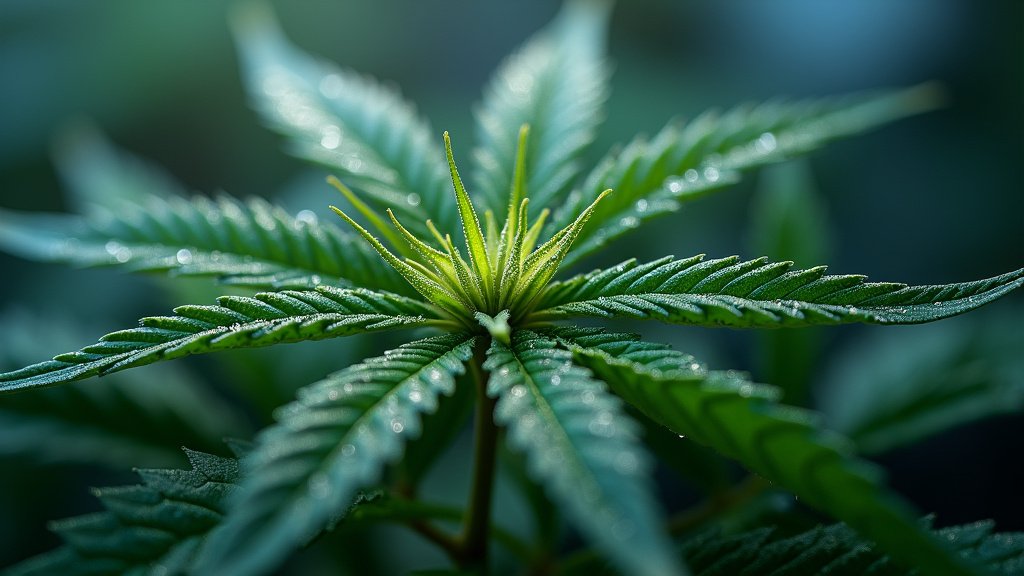
A groundbreaking study by researchers at Stellenbosch University has identified a rare class of compounds, known as flavoalkaloids, within cannabis leaves for the first time. This discovery, published in the Journal of Chromatography A, opens up new avenues for research into the plant’s extensive medicinal potential, extending beyond the well-known cannabinoids.
A Deeper Dive into Cannabis Chemistry
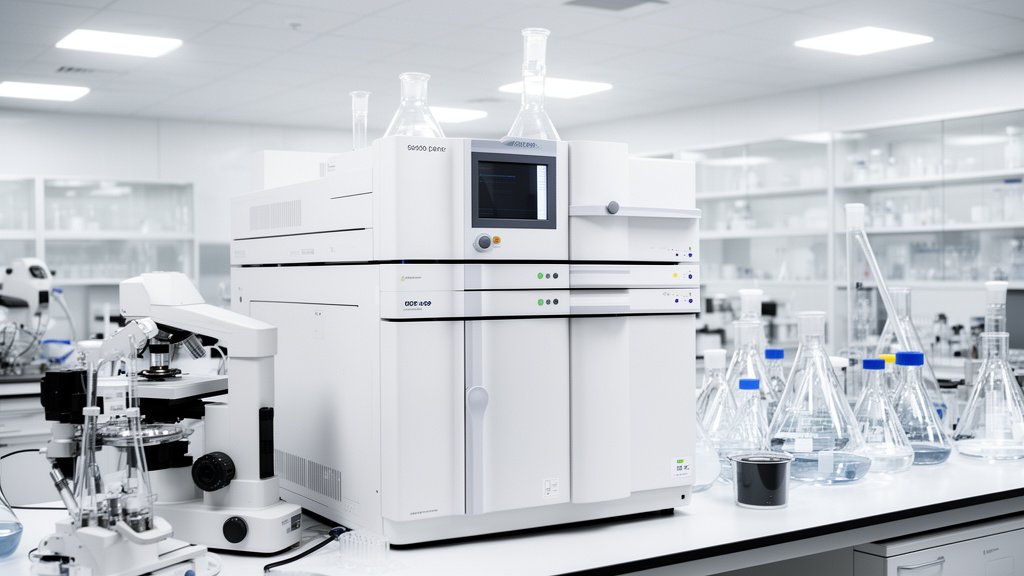
For decades, scientific and public interest in cannabis has predominantly focused on its psychoactive and therapeutic cannabinoids, such as THC and CBD. However, this new research, employing advanced analytical techniques including comprehensive two-dimensional liquid chromatography and high-resolution mass spectrometry, has uncovered a hidden world of phenolic compounds. The Stellenbosch University team analyzed three commercially grown cannabis strains and identified a total of 79 phenolic compounds. Astonishingly, 25 of these had never been reported in cannabis before.
Unveiling the Elusive Flavoalkaloids
Among the newly identified compounds, 16 were tentatively classified as flavoalkaloids. These are considered exceptionally rare in nature. Dr. Magriet Muller, an analytical chemist at Stellenbosch University and the study’s first author, explained that “while flavonoids occur widely in the plant kingdom, the flavoalkaloids are very rare in nature.” Their detection was made possible by sophisticated chromatographic methods that could separate them from more abundant flavonoids, overcoming challenges related to their low concentration and structural complexity. Notably, these rare flavoalkaloids were primarily found in the leaves of just one of the three strains investigated, highlighting significant chemical variation within the cannabis species.
Tapping into Untapped Biomedical Potential
Phenolic compounds, including flavonoids, are highly valued in the pharmaceutical industry for their potent antioxidant, anti-inflammatory, and anti-carcinogenic properties. The discovery of flavoalkaloids, with their hybrid flavonoid and alkaloid structures, suggests the potential for novel biological activities and a broader spectrum of therapeutic effects. Professor André de Villiers, the study’s senior author and head of Stellenbosch’s analytical chemistry research group, emphasized that “Our analysis again highlights the medicinal potential of Cannabis plant material, currently regarded as waste.” This finding could revolutionize how the entire cannabis plant is utilized, transforming leaves and other parts often discarded into valuable sources of bioactive compounds.
Implications for Cannabis Research and Industry
The identification of flavoalkaloids signifies a major step forward in understanding the intricate phytochemistry of Cannabis sativa. With over 750 known metabolites in the plant, this research underscores how much remains to be discovered beyond cannabinoids. The study’s findings have broad implications for the trending cannabis industry, potentially informing new approaches to plant breeding, cultivation, and processing. It opens doors for developing new therapeutic and nutraceutical products derived from previously overlooked plant parts, which could lead to more accessible and cost-effective medicinal formulations. The researchers plan further studies to explore a wider range of cannabis strains and plant tissues, aiming to build a more complete picture of cannabis phenolic chemistry and assess the bioactivity of these newly identified flavoalkaloids. This news is a significant development in cannabis research, promising exciting future applications in medicine and wellness.