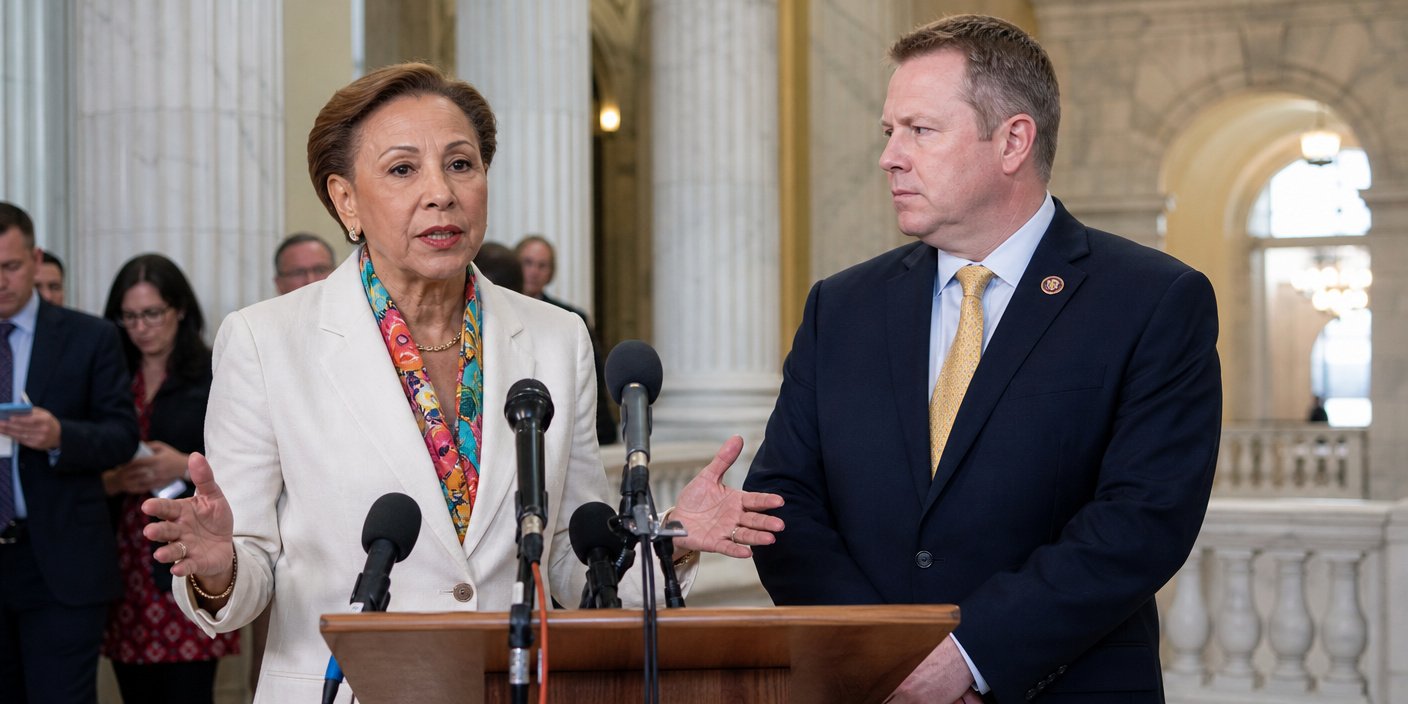
WASHINGTON D.C. – In a move that significantly impacts the trajectory of federal cannabis policy, a key congressional committee has voted to block the U.S. Department of Justice from using federal funds to reschedule marijuana. The decision, made by the GOP-controlled House Appropriations Committee on September 10, 2025, throws a wrench into ongoing efforts to reclassify cannabis from its current Schedule I status to the less restrictive Schedule III.
This legislative action comes at a pivotal moment, as President Donald Trump had recently indicated his administration was “looking at” the issue and expected to make a determination within weeks. The committee’s vote, however, signals strong opposition from within Congress to moving cannabis to Schedule III, a reclassification that would acknowledge its accepted medical use and reduce research barriers, while also enabling state-licensed cannabis businesses to claim federal tax deductions.
Committee Moves to Halt Rescheduling Process
The House Appropriations Committee attached a provision to a fiscal year 2026 spending bill for the Commerce, Justice, Science, and Related Agencies (CJS) that explicitly prohibits the Justice Department from expending funds to reschedule or deschedule marijuana. This legislative maneuver effectively freezes the Drug Enforcement Administration’s (DEA) review process, which was initiated following a recommendation from the Department of Health and Human Services (HHS) in August 2023. The formal rulemaking process began in May 2024, but has been stalled for months, including administrative hearings that have been temporarily paused.
Arguments Against Rescheduling Surface
Lawmakers leading the charge against rescheduling, including Republican members like Rep. Andy Harris and Rep. Pete Sessions, have voiced significant concerns. Their arguments frequently cite potential risks to public health, including addiction and links to psychosis, particularly with the high-potency cannabis products trending in today’s market. A letter signed by nine Congress members and sent to Attorney General Pam Bondi and President Trump in late August 2025 urged the rejection of rescheduling, warning that it could send a message to children that cannabis is harmless and benefit illegal drug cartels through potential tax breaks. These opponents argue that current research and trends still support keeping marijuana classified as a Schedule I drug.
Advocates Push Back, Emphasize Benefits
Conversely, proponents of rescheduling, including organizations like NORML, argue that the current Schedule I classification is outdated and hinders vital scientific research. They contend that rescheduling would align federal policy more closely with the growing number of states that have legalized cannabis for medical or adult use, and acknowledge its proven medical benefits. While acknowledging that rescheduling is not full legalization, advocates highlight that it would remove significant research barriers and allow medical professionals to prescribe cannabis more freely without fear of federal repercussions. Some also point out that the MORE Act, which aims to deschedule cannabis entirely, has been reintroduced, underscoring the continued push for comprehensive reform.
Broader Policy Landscape and Uncertain Future
The House committee’s action introduces further complexity to an already convoluted federal cannabis policy landscape. While the Trump administration had previously signaled an openness to rescheduling, the appropriations bill’s language directly opposes such a move. This congressional pushback also includes provisions that could weaken long-standing protections for state medical marijuana programs, potentially allowing for stricter enforcement within “Drug Free Zones”.
Meanwhile, other developments indicate ongoing discussions and actions related to cannabis. The Trump administration is reportedly planning an educational campaign on the impact of THC on youth health. Separately, the Department of Justice has announced it is withdrawing several proposed rules, though a White House official clarified this does not withdraw the cannabis rescheduling proposal itself. The news of the House committee’s decision is significant for the trending cannabis industry, highlighting the deep divisions and political battles that continue to shape federal cannabis news.
The immediate future of federal cannabis rescheduling remains uncertain. While the House Appropriations Committee has taken a firm stance to block the process, the ultimate fate of cannabis classification will likely depend on further legislative action, potential White House directives, and ongoing legal and political maneuvering. For advocates and the burgeoning cannabis industry, this congressional development represents a significant, albeit temporary, setback in the long-standing quest for federal reform.