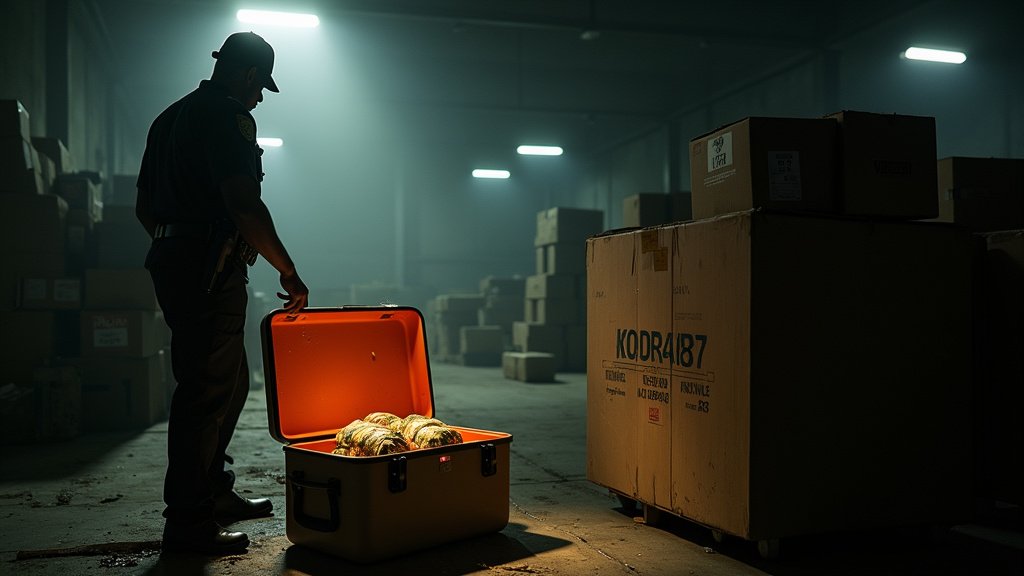
In a significant interdiction, detectives from the Guyana Police Force (GPF) have uncovered eight pounds of suspected cannabis concealed within a suitcase at a shipping company located on D’Urban Street in Georgetown. The discovery, made on Thursday, is part of an ongoing effort to curb the flow of illicit substances into the country and highlights the evolving tactics employed by drug traffickers.
The Discovery on D’Urban Street
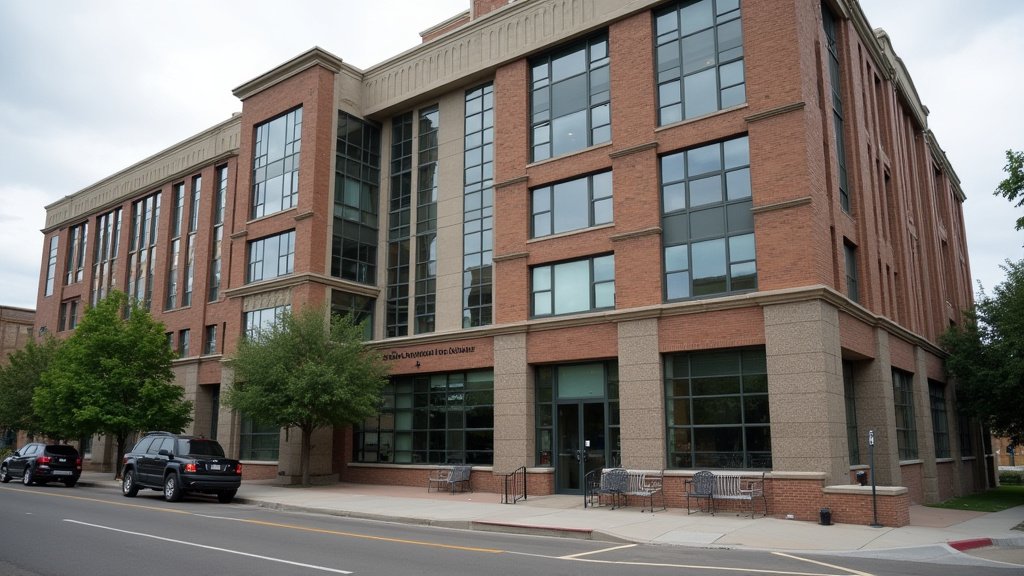
Acting on intelligence, law enforcement officers descended upon a shipping company on D’Urban Street where they intercepted a brown cardboard box. This package, originating from Florida, United States, was destined for a resident in Lamaha Park, Georgetown. Upon searching the box, officers found an orange suitcase, which, when opened, revealed eight compressed parcels filled with leaves, seeds, and stems identified as suspected cannabis. The contraband was subsequently transported to the Criminal Investigation Department (CID) Headquarters for processing, where it was weighed at a total of eight pounds. Investigations into the matter are actively continuing, with authorities seeking to identify all individuals involved in the shipment.
Unpacking the Trafficking Route
The shipment’s origin in Florida points to established routes used by international drug syndicates aiming to supply the Guyanese market or use the nation as a transit point for further distribution. While specific details about the sender, identified in some reports as Shamar Fraser, and the intended recipient, Shequan Simon, are part of the ongoing probe, the method of using a suitcase hidden within a larger shipping box indicates a deliberate attempt to circumvent detection.
Broader Context: Evolving Drug Trafficking Trends
This seizure occurs against a backdrop of escalating concerns regarding sophisticated drug trafficking operations in Guyana. The Customs Anti-Narcotic Unit (CANU) has warned that the nation is increasingly becoming a target for international drug cartels, who are employing more advanced concealment methods. Traffickers are moving away from traditional means, such as hiding narcotics in wood or seafood exports, and are instead contaminating commercial shipments after they have been scanned locally, making detection significantly more challenging. Furthermore, foreign strains of marijuana and shipments of other illicit substances like ecstasy are reportedly entering the country, with origins ranging from North America and Colombia to Venezuela and even Thailand. These developments underscore a dynamic and often unpredictable news landscape for law enforcement agencies tasked with combating the drug trade.
Legal Landscape and Enforcement Efforts
In Guyana, cannabis remains illegal for all uses, with strict anti-narcotics laws in place. While amendments to the Narcotic Drugs and Psychotropic Substances (Control) Act in 2021 removed custodial sentences for possession of 30 grams or less, larger quantities, such as the eight pounds seized, are still subject to severe penalties, including charges of drug trafficking. Law enforcement agencies, including the Guyana Police Force and CANU, are engaged in continuous operations, often bolstered by international cooperation and specialized training, including programs supported by the United States aimed at enhancing counternarcotics capabilities. These efforts are crucial in Guyana’s fight against becoming a narco-state.
The ongoing investigation into this D’Urban Street discovery is a testament to the persistent challenges faced by authorities in intercepting illicit goods. As traffickers adapt their methods, law enforcement agencies are similarly evolving their strategies, reflecting the trending nature of both criminal activity and interdiction efforts in the region.