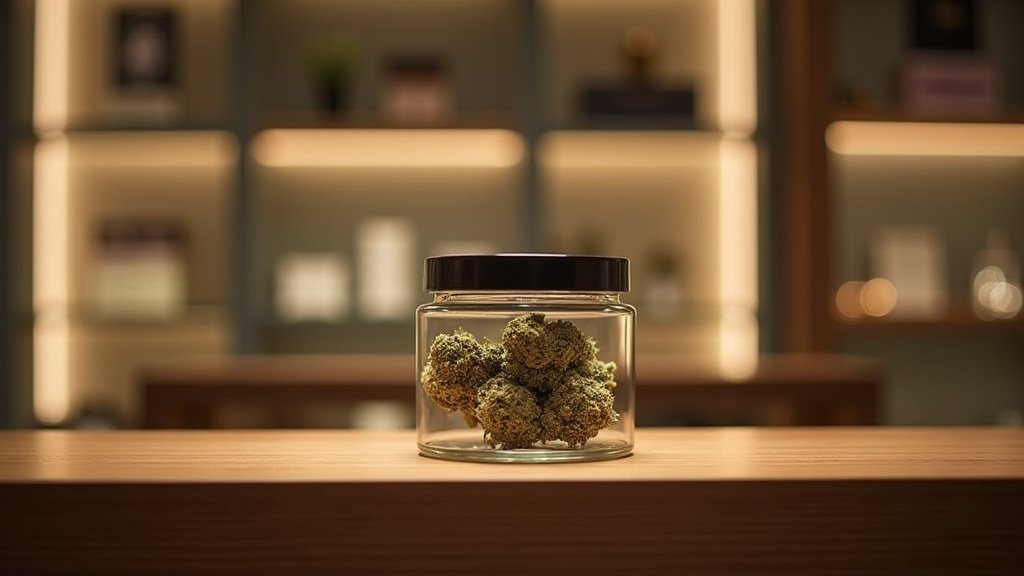
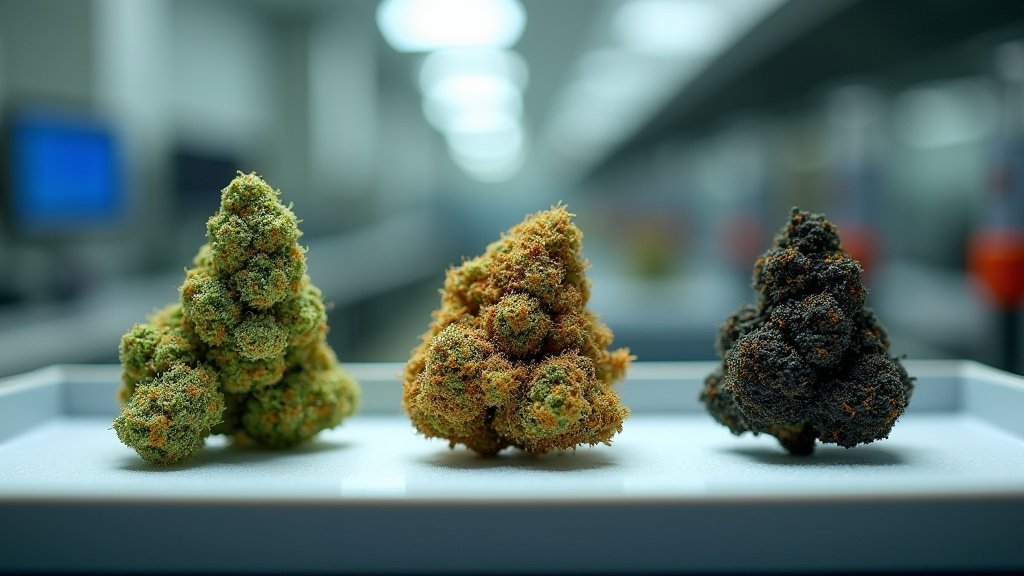
While the provided initial context highlighted market dynamics, growth projections, and investment opportunities, a deeper dive into late 2025 reveals a burgeoning cannabis market characterized by sophisticated product innovation, evolving consumer preferences, and significant global growth. The industry is no longer just about traditional flower; it’s a dynamic sector focusing on nuanced effects, diverse consumption methods, and increasingly, sustainability.
Emerging Strain Genetics and Terpene Innovations
The landscape of cannabis strain development is becoming increasingly refined in late 2025. Breeders are moving beyond simple Indica-Sativa classifications, focusing instead on precise cannabinoid and terpene profiles to achieve specific effects and flavor experiences. This year has seen a surge in strains engineered for high THCA potency and balanced ratios of minor cannabinoids like CBG, CBN, and THCV, targeting conditions from chronic pain and inflammation to glaucoma. For example, strains like “Stardust Gelato” are lauded for their complex terpene blends of berries, lavender, and citrus zest, while “Solar Diesel Dream” offers a potent cerebral high with high limonene content, providing a zesty, citrus-diesel aroma. The trend extends to unique flavor profiles, with breeders experimenting with uncommon terpenes to create notes of mint, strawberry, chocolate, and even gasoline. This focus on genetic mastery ensures greater stability and consistency, allowing for predictable outcomes in both cultivation and consumption.
Shifting Consumer Demands: Wellness, Convenience, and Experience
Consumer preferences in late 2025 are increasingly sophisticated, moving towards wellness-oriented products, convenient consumption methods, and experiential engagement. There’s a growing demand for products that aid relaxation, improve sleep, and manage anxiety, with edibles formulated for these specific purposes gaining significant traction. The rise of microdosing options—in edibles, capsules, and tinctures—caters to consumers seeking subtle, daily therapeutic effects without intense psychoactivity.
Convenience is paramount, evidenced by the sustained growth in pre-rolls and pre-ground flower, offering ease of use and a range of potency options. Cannabis beverages are also a significant trend, with consumers, particularly millennials and Gen Z, viewing them as a healthier alternative to alcohol. These infused drinks, from seltzers to non-alcoholic beer alternatives, offer discretion and a social consumption experience. Furthermore, the cannabis market is embracing sustainability, with consumers expecting eco-friendly cultivation practices and biodegradable packaging.
Global Market Expansion and Investment Dynamics
The global cannabis market continues its robust expansion in late 2025, with projections indicating substantial growth. The U.S. market alone is expected to reach over $45 billion in 2025, driven by increasing legalization and consumer demand. Internationally, regions like Europe and Asia are witnessing significant development. Thailand, in particular, is emerging as a key growth hub, with its cannabis and hemp market projected to reach approximately 43 billion Baht (around $1.2 billion USD) by 2025, fueled by a 15% annual growth rate. This expansion is driven by increased consumer acceptance, interest in medical applications, and potential export opportunities for high-quality Thai cannabis products.
Investment in the cannabis industry remains dynamic, with opportunities arising from market consolidation and the pursuit of compliant, vertically integrated businesses. While the sector has navigated challenges like federal regulatory uncertainty and tax burdens such as Section 280E in the U.S., strategic capital allocation is key. Companies like Tilray Brands have seen stock surges amid renewed policy optimism and better-than-expected earnings, though long-term investment hinges on federal reform. The ongoing dialogue around potential rescheduling of cannabis from Schedule I to Schedule III in the U.S. continues to shape investor sentiment, promising significant shifts in profitability and research capabilities should it occur.
Regulatory Evolution and Future Outlook
Regulatory shifts are consistently influencing market strategies. The potential rescheduling in the U.S. and evolving state-level regulations are creating both opportunities and challenges. In Europe, the UK’s expected authorization of the first CBD products by spring 2025 signifies a move toward greater regulatory clarity. As the industry matures, businesses that prioritize compliance, product innovation, and consumer education are best positioned for success. The late 2025 cannabis market is defined by its adaptability, a deep understanding of consumer needs, and a commitment to quality and sustainability, promising continued evolution and growth in the years to come.