The U.S. cannabis industry is experiencing a period of rapid evolution, marked by significant growth, increasing legalization, and technological advancements. Projections indicate a robust market expansion, with estimates suggesting the U.S. cannabis market could reach anywhere from $45 billion to over $100 billion by the end of the decade, depending on the projection source and timeframe. This burgeoning sector is not only creating vast economic opportunities but also presenting a complex landscape of operational, regulatory, and supply chain challenges for businesses involved.
The Expanding Cannabis Market and Its Economic Impact
The revenue for the U.S. cannabis farming industry alone has seen substantial growth, expanding at a compound annual growth rate (CAGR) of approximately 9.4% since 2020, reaching nearly $20 billion in 2025. Projections for the broader U.S. cannabis market paint an even more ambitious picture, with some forecasts estimating it to reach $45.3 billion in 2025 and potentially exceeding $67 billion by 2030. This growth is fueled by increasing consumer acceptance and the progressive legalization of both medical and recreational use across numerous states. As of mid-2024, 38 states and the District of Columbia have legalized marijuana for medicinal purposes, while 24 states and the District of Columbia permit recreational adult use. This expanding legal framework not only drives sales but also supports a significant job market, with the legal cannabis sector estimated to sustain around 440,445 full-time equivalent jobs in the U.S.. Furthermore, the industry is projected to generate billions in tax revenue, contributing substantially to local and state economies.
Key Players and the Evolving Supply Chain
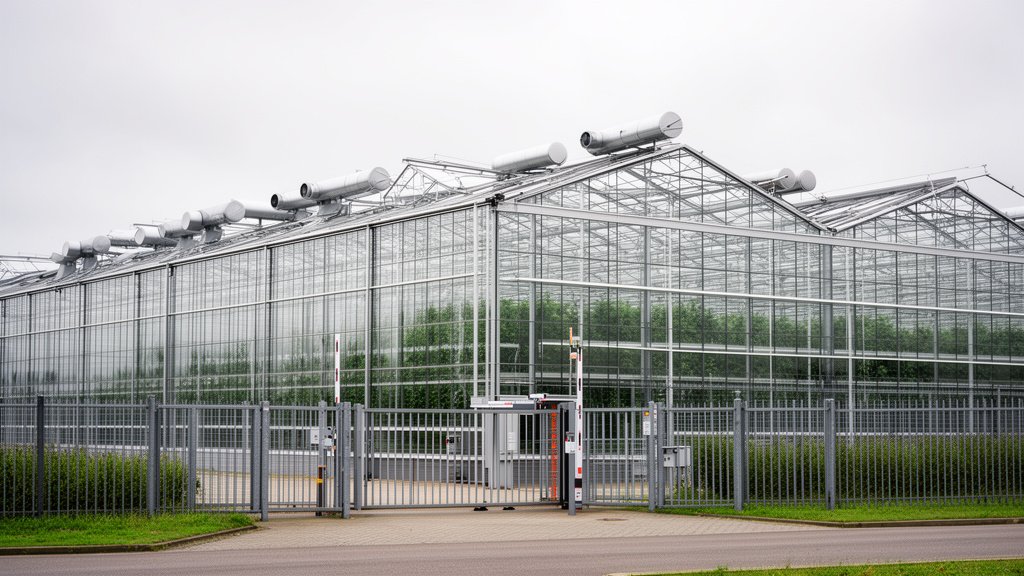
The growth of the U.S. cannabis industry has spurred the development of a sophisticated supply chain, catering to every stage from cultivation to packaging. Companies specializing in equipment and supplies are playing a crucial role in this evolution. For instance, providers like Growers Supply offer comprehensive solutions for cultivation, including greenhouses and irrigation systems. Hydrofarm Commercial – IGE, a union of Hydrofarm, Innovative Growers Equipment (IGE), and Parsource, provides a wide array of hydroponic equipment, LED lighting, and precision irrigation tools essential for optimizing yield and quality. Omega Equipment & Supply positions itself as a single-source provider for cultivation, manufacturing, and retail needs, offering everything from nutrients to processing machinery. Dean Supply, with decades of experience in the food service industry, has adapted its commercial kitchen equipment for cannabis processing, offering tools for extraction, baking, and packaging edibles. These companies are critical in equipping growers and processors with the necessary equipment and tools to meet industry demands and maintain product quality.
Navigating Challenges and Embracing Innovation
Despite the remarkable growth, the cannabis industry faces considerable challenges. Regulatory compliance remains a significant hurdle, with businesses needing to navigate a complex and often inconsistent patchwork of state and federal laws. Issues such as licensing, testing, packaging requirements, and marketing restrictions vary widely, demanding constant vigilance and adaptation from operators. Access to traditional financial services is also limited due to cannabis’s federal illegal status, forcing many businesses to operate primarily with cash and increasing risks associated with handling large sums.
Furthermore, the industry must contend with operational complexities such as pest and disease management, energy consumption in cultivation facilities, and the need for robust security measures against theft. The drive for quality control is paramount, especially given the plant’s complex genetics and the demand for consistent potency and yield.
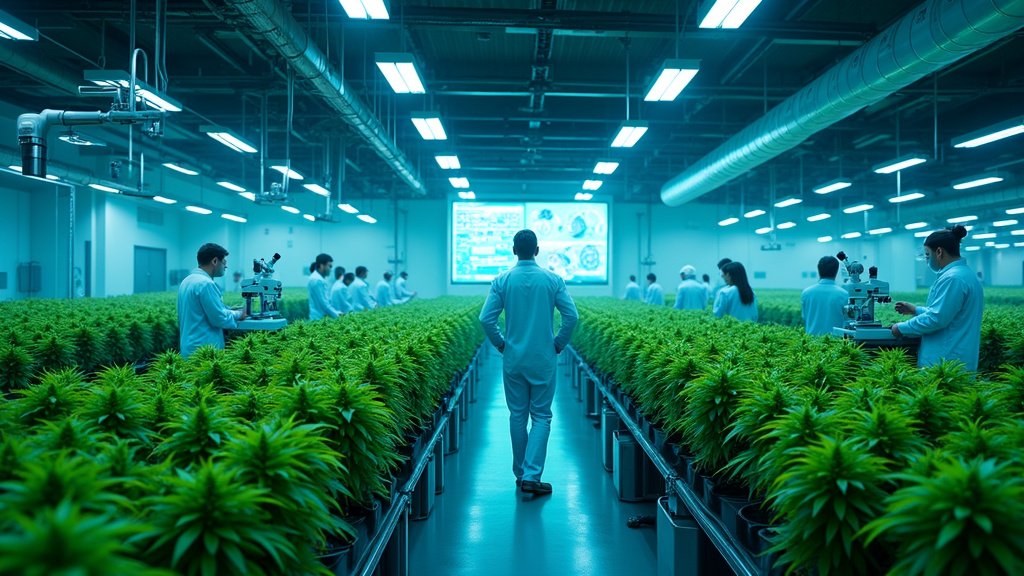
In response to these challenges, innovation is trending across the sector. Technological advancements are crucial, with companies exploring energy-efficient lighting, sophisticated cultivation methods like vertical farming and hydroponics, and advanced extraction techniques. The development of cannabis-specific enterprise resource planning (ERP) applications is also streamlining compliance and operational management. Companies are also focusing on sustainable practices to mitigate environmental impact.
The Future Outlook and Emerging Trends
The future of the U.S. cannabis industry is marked by continued legalization, expansion of medical applications, and technological integration. While the initial context highlighted a projection of $100 billion by the end of the decade, more recent forecasts place the market value in the range of $45 billion to $76 billion by 2025-2030, with some reaching higher if federal reforms accelerate. The potential reclassification of cannabis from a Schedule I to a Schedule III drug by the U.S. Department of Justice could significantly ease research restrictions and potentially alleviate some tax burdens (like Section 280E) that currently affect businesses.
Emerging trends include further consolidation through mergers and acquisitions, a growing focus on product development such as cannabis-infused beverages and edibles, and increased investment in “cannatech” or “weedtech” companies. The industry news also indicates ongoing debates and legislative efforts, such as discussions around hemp-derived THC and potential federal banking reforms, which will continue to shape the landscape. As the market matures, a greater emphasis on product quality, safety, and consumer education will likely define its trajectory. This dynamic industry is constantly pushing the envelope, adapting to regulatory changes, and innovating to meet the demands of an expanding consumer base.