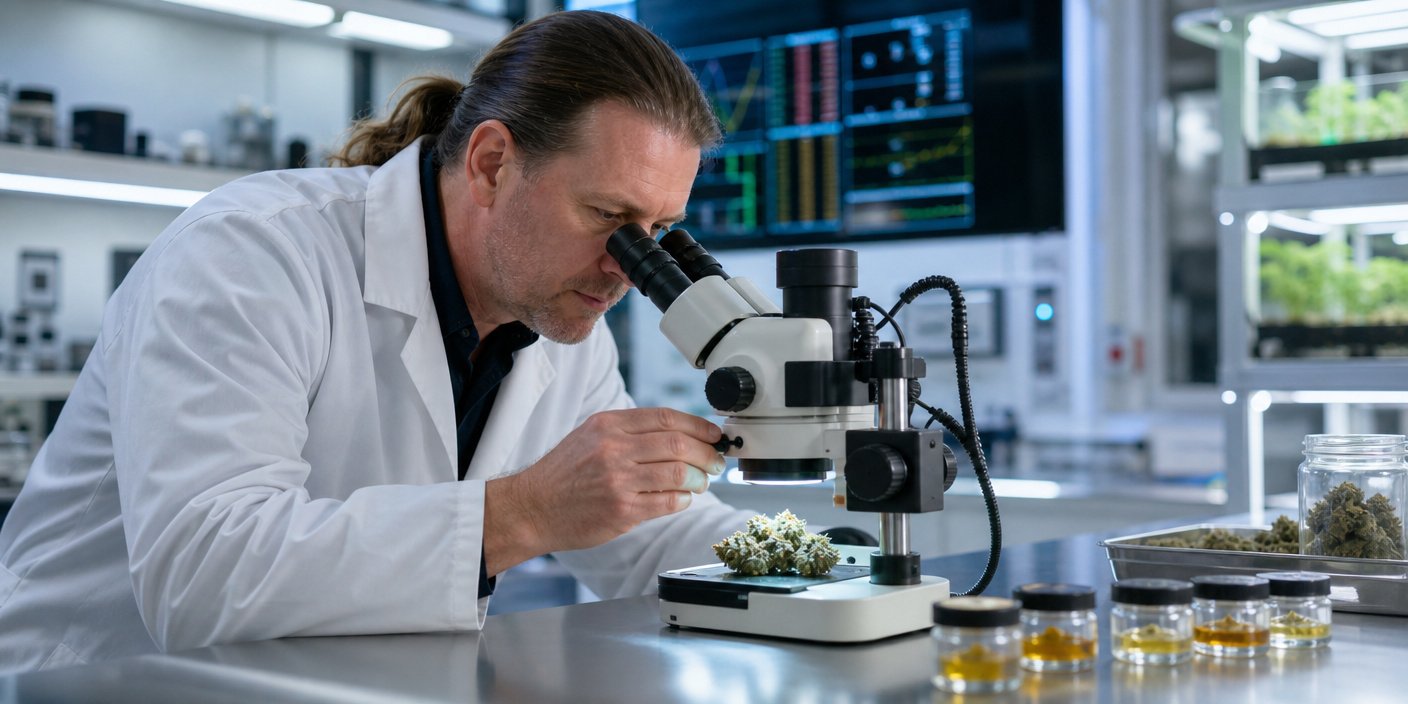
A groundbreaking discovery offers new hope. Bacteria found in hemp seed oil can fight a major cannabis pest. This pest is Botrytis cinerea. It is also known as bud rot. This fungus causes significant crop losses. It also shows increasing resistance to chemicals. This new finding offers a natural alternative. It could change cannabis cultivation. Researchers at McGill University led the study. They identified seven bacterial strains. These strains came from hemp seed oil. The goal was to see if they suppressed Botrytis. Their findings were published recently. The Canadian Journal of Microbiology featured the research. This is important news for growers everywhere.
The Botrytis Challenge in Cannabis
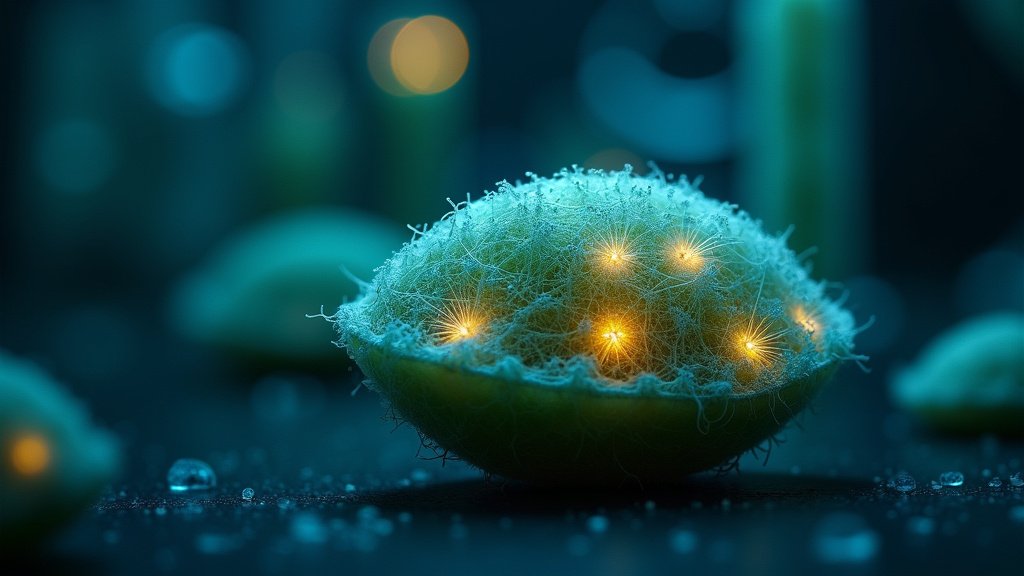
Botrytis cinerea poses a serious threat. It damages cannabis plants worldwide. This fungus loves damp conditions. It attacks leaves, stems, and buds. Infected buds often develop a fuzzy gray mold. These infections cause huge financial losses. Growers often use chemical fungicides. However, Botrytis is fighting back. It is developing resistance to these treatments. This makes old methods less effective. Therefore, new solutions are urgently needed. The industry is actively seeking better tools.
Hemp Seed Oil’s Microbial Treasure
Hemp seed oil comes from hemp seeds. These seeds are packed with nutrients. They also host a diverse community of microbes. Naturally occurring bacteria live within them. Researchers isolated specific bacteria. They found these helpful microbes in hemp seed oil. Seven distinct bacterial strain types were examined. This isolation was a key step. The scientists then tested these bacteria. They applied them to cannabis plants. The aim was to observe their effect on Botrytis. Early results are very promising. These natural microbes may provide potent protection.
The Science Behind the Discovery
The research team at McGill University was crucial. They focused on specific bacterial strains. These were identified from hemp seed oil. The Canadian Journal of Microbiology published the study. The work centered on Botrytis suppression. It evaluated how well the bacteria performed. Three specific strains showed strong results. These included Bacillus mojavensis HOB3. Paenibacillus sp. HOB6 was also effective. Bacillus subtilis HOB7 showed significant antifungal action. Genome analysis revealed key details. It identified gene clusters. These clusters produce antifungal compounds. Examples include polymyxin B and surfactin. These findings suggest a potential link. Antifungal properties might relate to biosurfactant production. This occurs under specific growth conditions. This study marks the first report of its kind.
A New Era for Cannabis Growers
This discovery has major implications. Cannabis growers face constant battles. Botrytis is a particularly tough foe. It ruins crops and cuts yields. Finding a natural control method is vital. This research points to hemp seed oil bacteria. These microbes could be applied easily. Perhaps as a spray or soil amendment. This offers a safer and more sustainable option. It can reduce reliance on harsh chemicals. This is crucial for modern cultivation. Biocontrol is a trending area. It aligns with eco-friendly farming goals. Growers are looking for innovation. This development could be a game-changer. It offers a natural defense. It promises better crop health. The industry awaits further research. This offers a sustainable path forward.
Conclusion
The identification of these bacteria is significant. It highlights the untapped potential of natural resources. Hemp seed oil harbors powerful allies. These microbes can fight devastating pathogens. This research offers a promising new tool. It supports a move towards greener practices. Consequently, cannabis growers may soon have a new weapon. It’s a weapon born from nature itself.