The city of Hyderabad is facing a concerning shift in drug-related activities. Cannabis cultivation is no longer restricted to remote areas and is now alarmingly prevalent within residential neighborhoods.
Authorities are increasingly discovering marijuana plants being grown in backyards, on balconies, and even on rooftops. This trend has raised significant concerns among law enforcement officials.
The Growing Threat in Urban Spaces
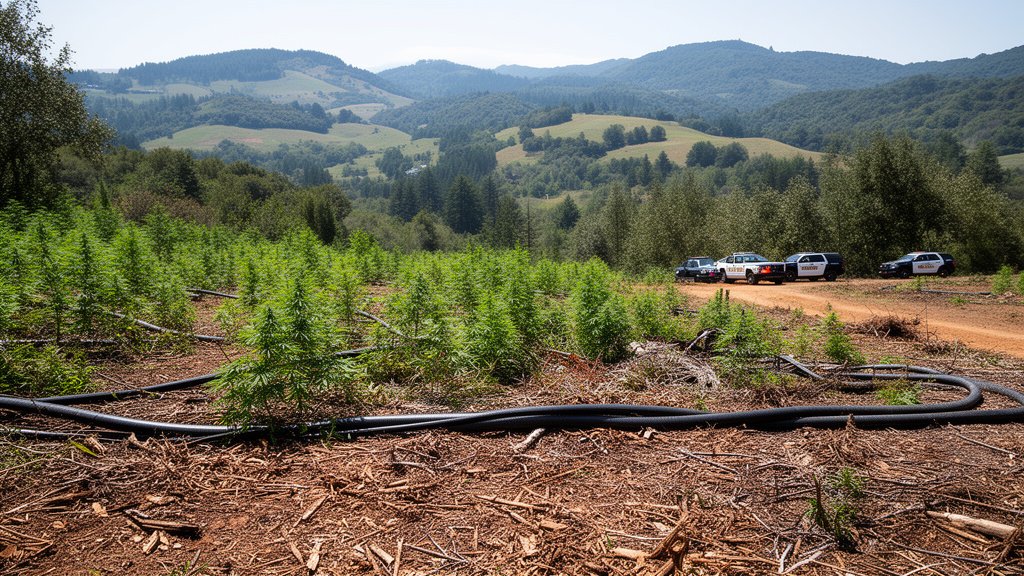
Historically, cannabis cultivation was predominantly observed in border regions, such as the Andhra Pradesh-Odisha border and other agency areas. However, offenders are now adapting their methods, moving operations to covertly grow plants within urban residential spaces. This change is attributed to intensified checks on drug trafficking and tighter controls on drug consumption.
In recent months, police and excise teams have uncovered numerous cultivation sites during inspections and raids. Law enforcement has seized thousands of cannabis plants across Telangana. Specifically, the capital region alone has recorded almost 90 locations showing cultivation by November this year, indicating a substantial increase in local growing operations.
Motives Driving Homegrown Cannabis
High market prices are a primary catalyst for this trend. While marijuana may cost around ₹5,000 per kilogram in border regions, it can command up to ten times that amount in Hyderabad. This lucrative price difference motivates individuals, including consumers and small-time peddlers, to grow plants themselves.
Migrant workers from states like Odisha and local youth struggling with narcotics addiction are often involved. They frequently source seeds from their native places and then cultivate the plants locally.
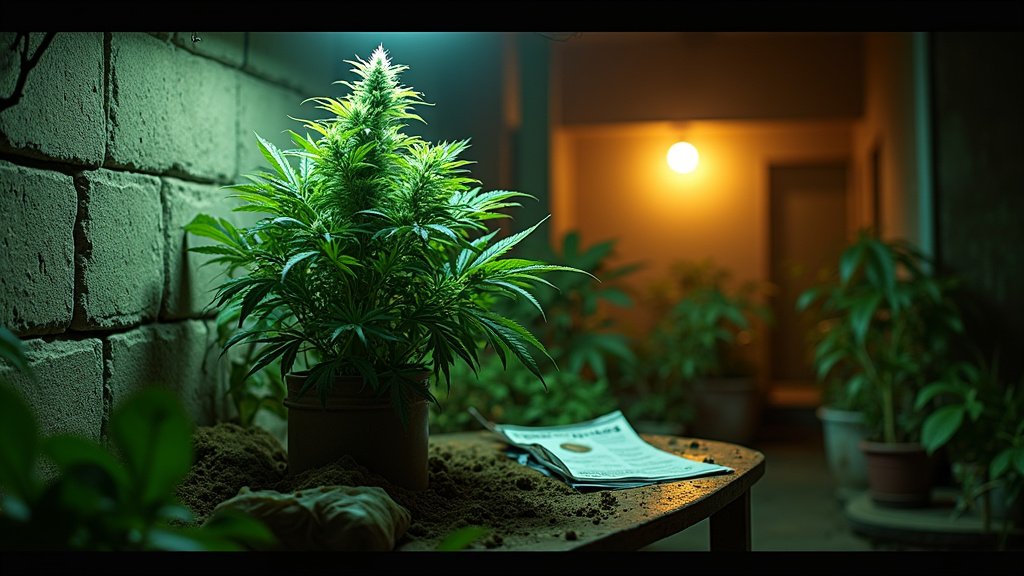
Cultivation techniques are readily learned online through videos and manuals. Some growers even establish indoor cultivation setups, employing artificial lighting and climate control systems. Identifying these plants among regular garden vegetation poses a significant challenge for authorities. This development signals a worrying evolution in drug trade tactics.
Official Crackdown and Legal Repercussions
Authorities are actively combating this escalating problem. Police and excise officials are conducting surprise raids and enhancing surveillance in residential areas, urging citizens to report any suspicious cultivation.
Growing marijuana is illegal in India and is a punishable offense under the Narcotic Drugs and Psychotropic Substances (NDPS) Act, 1985. Section 20 of the Act specifically addresses cannabis cultivation, with violators facing severe penalties, including up to 10 years of rigorous imprisonment and a fine of up to ₹1 lakh.
The NDPS Act classifies drug quantities into small, intermediate, and commercial categories, each carrying different punishments. For instance, possessing commercial quantities can lead to 10 to 20 years of imprisonment, and repeat offenders face even harsher penalties.
Recent Incidents and Challenges
Recent raids highlight the methods employed, with police finding plants grown in specially arranged setups inside rented houses, often in secluded residential colonies. Terraces, backyards, and indoor spaces are common cultivation sites.
One incident in Malakpet involved two men from Bihar caught cultivating cannabis on a building terrace. Another case saw a watchman arrested for growing plants in a vacant plot, where he reportedly hid the seeds among pumpkin plants to avoid suspicion.
Officials warn that one mature cannabis plant can yield a significant amount of marijuana, making home cultivation a serious threat. The availability of seeds from various Indian states contributes to this trend.
The Wider Context and Future Outlook
The surge in home cultivation is a response to enforcement efforts that limit the availability of marijuana, driving up prices. This “Grow It Yourself” approach is concerning, as some addicts resort to growing their own supply.
While the NDPS Act prohibits cannabis cultivation, it allows for exceptions under strict government permits for industrial, horticultural, medicinal, and scientific purposes, none of which apply to illegal residential cultivation.
This spreading cultivation is a complex issue involving market economics, information accessibility, and evolving criminal tactics. Authorities are continuing their efforts to curb this problem, emphasizing the crucial role of citizen cooperation in reporting suspicious activity. The current news serves as a stark reminder of the ongoing challenges in combating drug-related crimes.