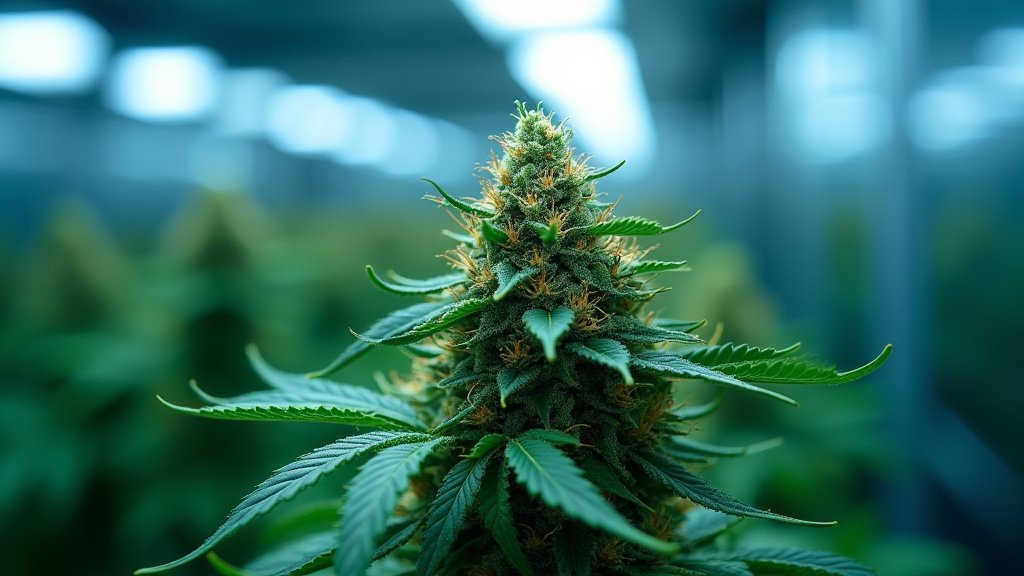
Federal agencies are updating key regulations. The ATF revised its gun ban rules. This affects unlawful drug users. The DEA’s cannabis rescheduling appeal is still pending. These developments create significant news.
ATF Updates Gun Ban Definition
The Bureau of Alcohol, Tobacco, Firearms and Explosives (ATF) has issued a new rule. This rule updates a specific definition. It concerns “unlawful users of or addicted to any controlled substance.” Federal law prohibits such individuals from possessing firearms. The ATF aims to clarify existing law. This new interim final rule became effective January 22, 2026. It seeks to align ATF policy with court decisions. The definition update addresses constitutional concerns.
Background of the Firearms Prohibition
Federal law has long banned firearm possession by unlawful drug users. This stems from the Gun Control Act of 1968. The law applies to users of any controlled substance. Marijuana is a controlled substance federally. For years, the ATF interpreted this broadly. It often inferred unlawful use. This could be based on a single instance of drug use. It could also stem from past drug convictions or admissions. Many individuals were denied firearm purchases based on these interpretations.
Judicial Challenges to the Ban
Federal courts have increasingly questioned the ATF’s broad interpretation. Several circuit courts have issued rulings. These rulings suggest the ban is unconstitutional as applied. Courts noted a lack of historical support for disarming individuals based solely on past, non-violent drug use. They also highlighted conflicts with state-level cannabis legalization. The ATF acknowledges that past denials created constitutional questions. The new rule aims to mitigate some of these issues. However, the core prohibition for current unlawful users remains.
DEA’s Pending Marijuana Rescheduling
Meanwhile, the Drug Enforcement Administration (DEA) continues its work. The process to reschedule marijuana is ongoing. It remains pending. The DEA reviewed a recommendation. This recommendation came from the Department of Health and Human Services (HHS). HHS recommended moving marijuana from Schedule I to Schedule III. In May 2024, the DEA proposed a rule to reflect this. Over 40,000 public comments were received.
Delays and Executive Action
Administrative hearings were scheduled. However, these hearings faced delays. An appeal stayed the proceedings in January 2025. The administrative law judge overseeing the hearing retired. This halted the process further. On December 18, 2025, President Trump issued an executive order. This order directs the Attorney General to expedite the rescheduling process to Schedule III. However, the EO does not enact the rescheduling itself. The appeal process is technically still pending.
Implications for Cannabis and Firearms
Rescheduling marijuana to Schedule III would primarily ease research barriers. It would not legalize cannabis federally. Furthermore, it would not automatically change the federal gun ban for marijuana users. The ATF Form 4473 still asks about unlawful drug use. Applicants must still answer truthfully. Even with rescheduling, unlawful users of marijuana would still be prohibited persons under federal firearms law.
A Complex Regulatory Landscape
This news highlights a complex regulatory environment. The cannabis industry faces shifting rules. Gun rights for users remain a point of contention. Trending cannabis news often features these policy debates. The ATF’s revised definition offers some clarity for gun buyers. However, the DEA’s rescheduling process continues to navigate legal hurdles. These developments will shape the future of cannabis policy and Second Amendment rights. The interplay between federal and state laws remains a key issue for consumers and citizens alike. This is crucial lifestyle news for many Americans.