California Poised to Mandate Strict Energy Standards for Cannabis Cultivation
Sacramento, CA – The California Department of Cannabis Control (DCC) announced on Friday, June 6, 2025, its firm intention to proceed with the finalization of proposed regulations designed to significantly enhance energy efficiency across the state’s licensed cannabis cultivation sector. This move follows an extensive period of public consultation, which concluded just days earlier on Monday, June 3, 2025, and signals a pivotal moment for an industry grappling with its environmental footprint and operational costs.
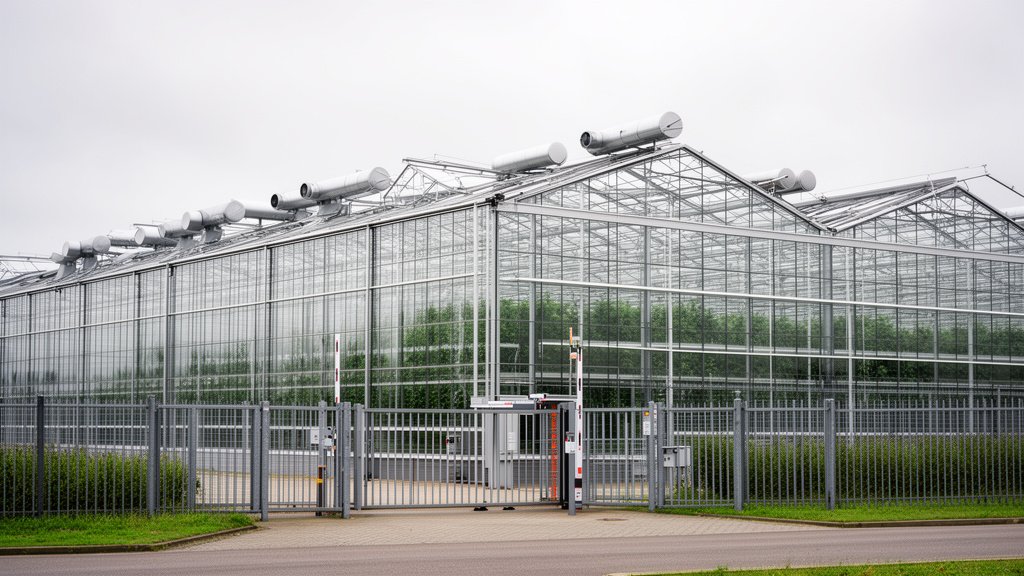
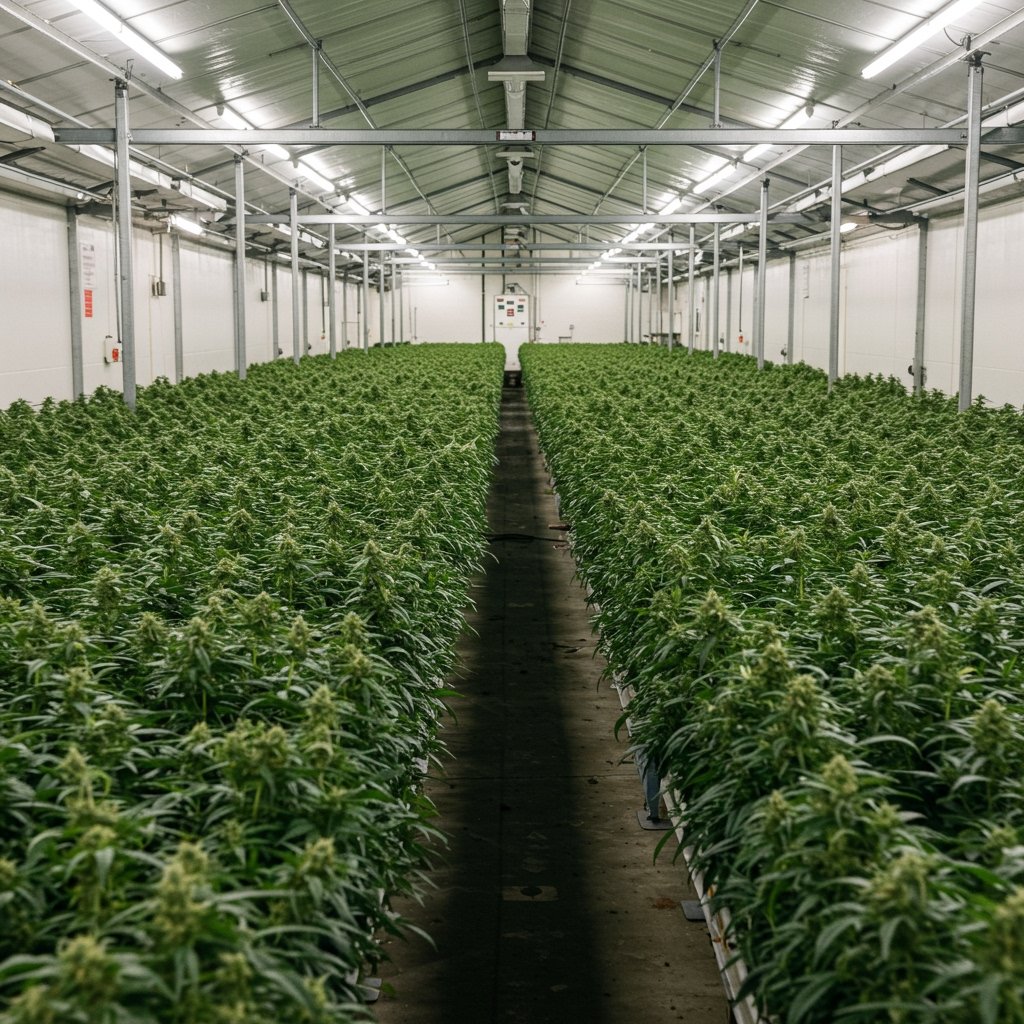
The proposed rules, which have been under development and review, target one of the most energy-intensive aspects of the cannabis supply chain: indoor and mixed-light cultivation. These methods often rely heavily on artificial lighting, climate control, and ventilation systems, consuming substantial amounts of electricity. The new mandates are specifically crafted to push cultivators towards adopting more sustainable and efficient technologies.
According to the DCC’s announcement, the finalized regulations are expected to mandate specific energy-saving technologies for operations exceeding certain thresholds. While the exact thresholds and nuances of the final text will be critical upon release, the core requirements are anticipated to center on proven methods for reducing energy consumption without compromising crop quality or yield.
Among the key technologies highlighted in the proposals are advanced LED lighting systems. Traditional high-pressure sodium (HPS) lights, long the industry standard, are notoriously inefficient. LEDs offer a dramatic reduction in electricity use per photon delivered, while also providing greater control over light spectrum and intensity, which can positively impact plant growth cycles and cannabinoid development. The regulations are expected to phase in requirements for these or equivalent high-efficiency lighting solutions.
Beyond lighting, the rules are set to address environmental controls. Automated climate control systems are another cornerstone of the proposed mandates. These sophisticated systems use sensors and algorithms to precisely regulate temperature, humidity, CO2 levels, and airflow, optimizing conditions for plant growth while minimizing energy waste. Unlike manual or less sophisticated controls that may run systems unnecessarily or inefficiently, automation ensures resources are used only as needed.
Furthermore, granular environmental monitoring is expected to be required. This involves deploying networks of sensors throughout cultivation spaces to collect real-time data on environmental conditions. This data not only feeds into automated climate control systems but also provides cultivators with actionable insights to identify inefficiencies, optimize setpoints, and troubleshoot issues proactively. Such detailed monitoring facilitates continuous improvement in energy performance.
The DCC’s decision to move forward with finalizing these regulations, with a projected effective date in early 2026, provides the industry with a clear timeline for compliance. This timeframe is intended to allow cultivators time to understand the final requirements, budget for necessary upgrades, and implement new systems.
The impending regulatory shift is widely anticipated to spur significant investment in cultivation-specific equipment and technology. Industry groups, such as the California Cannabis Industry Association (CCIA), have publicly acknowledged the transformative potential of these regulations.
Speaking on the expected impact, representatives from the CCIA and market analysts project a substantial surge in spending on specialized solutions tailored for energy-efficient cannabis cultivation. Projections suggest that hundreds of millions of dollars could be invested statewide in acquiring and installing new technologies.
This projected investment covers a range of areas, including the aforementioned advanced LED lighting, but extends significantly into specialized HVAC (Heating, Ventilation, and Air Conditioning) systems designed for the unique requirements of cultivation environments, sophisticated automation platforms that integrate lighting, climate, irrigation, and security, and comprehensive sensor solutions for granular monitoring.
Given California’s vast scale of cultivation, with an estimated 50 million sq ft of canopy space licensed across various operation types, the cumulative impact of these regulations and the subsequent technological upgrades is expected to be profound. While there will be initial capital costs for cultivators to meet the new standards, the long-term operational savings from reduced energy consumption are anticipated to provide a strong return on investment.
Moreover, the regulations align with California’s broader climate and sustainability goals, positioning the legal cannabis industry as a more responsible and environmentally conscious agricultural sector. By setting clear energy efficiency benchmarks, the state aims to mitigate the significant energy demand historically associated with indoor cannabis cultivation.
The final text of the regulations is expected to be released by the DCC in the coming months, outlining the specific requirements, compliance deadlines, and enforcement mechanisms. Industry stakeholders will be closely reviewing these details to understand the full scope of the changes and prepare for the substantial technological adoption expected to reshape California’s cannabis cultivation landscape starting in early 2026.
This regulatory push represents a significant maturation point for the California cannabis industry, forcing a necessary evolution towards more sustainable practices and opening new opportunities for technology providers within the sector.