California Takes Aim at Cannabis Energy Consumption with SB 456
California’s legislative efforts to curb the environmental footprint of its burgeoning cannabis industry have taken a significant step forward with the advancement of Senate Bill 456. This proposed legislation has successfully navigated its latest legislative hurdle, signaling a governmental intent to impose stricter energy efficiency standards on equipment essential for licensed indoor cannabis cultivation facilities across the state. The bill directly targets the high-energy systems integral to these operations, reflecting a growing regulatory focus on sustainability within the cannabis sector.
Understanding SB 456’s Mandate
Senate Bill 456, as it currently stands after its recent legislative passage, aims to fundamentally alter the energy landscape of California’s legal cannabis cultivation industry. The core objective is to mandate increased energy efficiency in specific types of equipment used in indoor growing environments. This isn’t a broad directive but rather a targeted regulatory push focused on the technologies known to be the most significant contributors to the high energy demands of indoor cultivation.
The bill requires that manufacturers of specified equipment sold or installed in California for use in licensed cannabis cultivation meet new, higher energy efficiency benchmarks. Furthermore, it places responsibility on licensed cultivators to ensure the equipment they procure and operate within their facilities complies with these forthcoming standards. This dual approach seeks to address the issue from both the supply side (manufacturing) and the demand side (cultivation operations).
Targeted Equipment and Compliance Deadline
SB 456 specifically identifies and targets several categories of equipment that are foundational to controlled environment agriculture (CEA) as practiced in indoor cannabis cultivation. These include, but are not limited to:
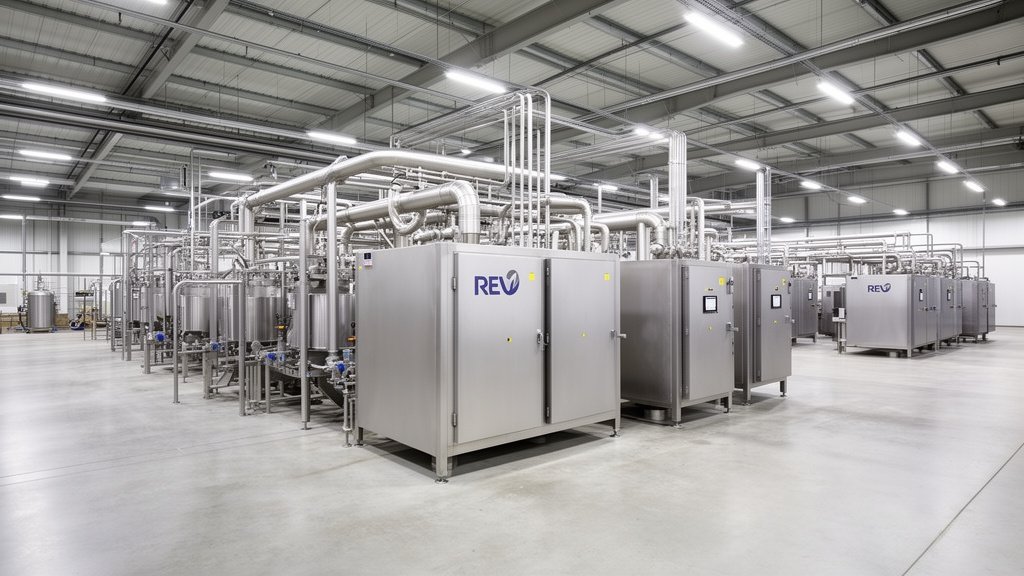
* HVAC (Heating, Ventilation, and Air Conditioning) systems: Crucial for maintaining precise temperature and humidity levels, often requiring significant power consumption.
* Lighting systems: High-intensity lighting is necessary for plant growth cycles, and while LED technology has improved efficiency, older or less efficient systems remain major energy users.
* Environmental controls: Systems managing air circulation, CO2 enrichment, dehumidification, and other atmospheric conditions also contribute to overall energy load.
The bill establishes a clear timeline for compliance. Both equipment manufacturers and licensed cultivators in California must adhere to the new energy efficiency standards by January 1, 2026. This deadline provides a window for manufacturers to innovate and retool their production lines and for cultivators to assess their existing infrastructure and plan for necessary upgrades or equipment replacements to meet the future requirements.
The ‘Why’: Addressing Cannabis Energy Consumption
The impetus behind SB 456 stems directly from the well-documented, substantial energy consumption associated with indoor cannabis cultivation. Unlike outdoor or greenhouse operations that can leverage natural sunlight and ventilation, indoor facilities rely entirely on artificial systems to replicate optimal environmental conditions year-round. This intensive use of electricity for lighting, climate control, and other processes places a significant strain on the energy grid and contributes to greenhouse gas emissions, depending on the energy source.
Studies have repeatedly highlighted that the energy footprint of indoor cannabis cultivation is disproportionately high compared to many other agricultural or industrial activities. This high energy demand presents challenges for utility providers, can lead to increased energy costs for operators, and runs counter to California’s broader climate and energy goals. SB 456 represents a governmental acknowledgment of this issue and a concrete step towards mitigating the industry’s environmental impact by driving efficiency improvements at the equipment level.
Implications for Cultivators and Manufacturers
For licensed cannabis cultivators in California, the passage of SB 456 brings both challenges and potential opportunities. The immediate challenge lies in the requirement to potentially invest in new, compliant equipment before the January 1, 2026, deadline. This could necessitate significant capital expenditure for facility upgrades, requiring careful financial planning and potentially impacting operational budgets in the short term. However, the long-term prospect of operating more energy-efficient systems holds the promise of reduced electricity bills, which can translate into lower operational costs and increased profitability over time.
For manufacturers of HVAC, lighting, and environmental control systems serving the cannabis market, SB 456 serves as a clear signal for necessary innovation. The bill creates a regulatory push and a market demand for more energy-efficient technologies tailored to cultivation needs. This could spur research and development efforts, leading to the creation of advanced equipment that not only meets the new standards but potentially offers enhanced performance and functionality. Manufacturers who are proactive in developing and bringing compliant, efficient products to market are likely to gain a competitive edge in the California market and potentially influence standards in other states.
The Road Ahead: Industry Adaptation and Innovation
The successful advancement of SB 456 through the legislative process indicates strong momentum towards its potential enactment into law. As the bill progresses, the cannabis industry in California will need to closely monitor its final provisions and prepare for the mandated changes. This preparation involves not only understanding the technical requirements for new equipment but also developing strategies for financing necessary upgrades and training staff on operating potentially new systems.
The bill is expected to drive significant innovation within the controlled environment agriculture technology sector. It incentivizes the development and adoption of next-generation equipment that minimizes energy draw while maximizing cultivation yield and quality. This could foster a more sustainable and technologically advanced cannabis industry in California, setting a precedent for other regulated markets.
Broader Regulatory Context
SB 456 does not exist in a vacuum. It is part of a broader trend of increasing regulatory scrutiny on the environmental impact of the cannabis industry across North America. As more states and jurisdictions legalize cannabis, the energy-intensive nature of indoor cultivation has become a prominent concern for policymakers, environmental advocates, and utility companies. California, often a leader in setting regulatory standards, particularly concerning environmental protection, is taking a definitive step that may influence future regulations elsewhere.
The governmental focus on the energy footprint reflects a maturing industry facing expectations similar to those placed on other established sectors regarding sustainability and responsible resource use. SB 456 is a tangible outcome of this increased scrutiny, demonstrating a commitment to integrating environmental considerations into the operational framework of licensed cannabis businesses.
Conclusion
California’s SB 456 represents a pivotal legislative effort to enhance energy efficiency within the state’s licensed indoor cannabis cultivation sector. By mandating stricter standards for key equipment like HVAC, lighting, and environmental controls with a compliance deadline of January 1, 2026, the bill aims to reduce the industry’s significant energy footprint. While posing initial investment challenges for cultivators and requiring adaptation from manufacturers, the legislation is poised to drive technological innovation and foster a more sustainable and energy-conscious cannabis industry in California, aligning with broader environmental goals and setting a potential benchmark for other markets.