Canada’s legal cannabis market is experiencing a significant transformation, moving away from its once notoriously restrictive packaging regulations. As of March 12, 2025, Health Canada implemented sweeping amendments to the Cannabis Regulations, ushering in an era of greater transparency and consumer-centric design. This pivotal shift, allowing consumers to visually inspect products before purchase, is reshaping buying habits and igniting a wave of exciting new cannabis products and cannabis brand innovations across the nation.
A Clear View for Consumers: The Shift to Transparency
For years, Canadian cannabis consumers were accustomed to purchasing products encased in opaque, often unappealing, plain packaging. These initial regulations, enacted with legalization in 2018, prioritized public health objectives by limiting branding, colors, and imagery to reduce product appeal, particularly to youth. While well-intentionintentioned, this approach inadvertently hindered consumer confidence and brand differentiation, forcing buyers to rely solely on printed information or budtender recommendations to gauge product quality. Consumers often found themselves “buying blind” until they opened the package at home.
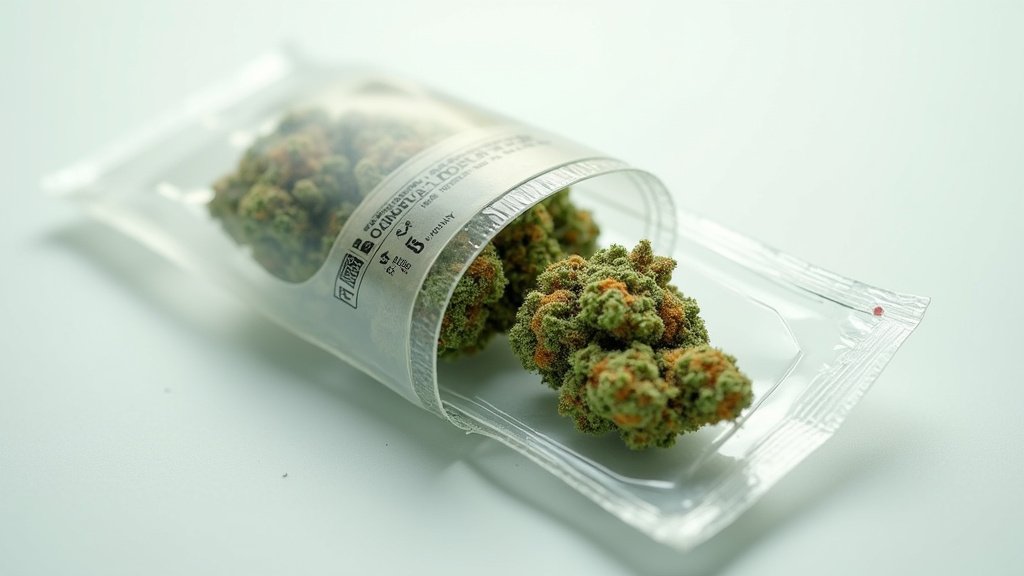
The 2025 amendments mark a dramatic departure. Health Canada now permits transparent windows or entirely transparent packaging for dried cannabis, fresh cannabis, and cannabis seeds. This allows consumers to visually verify critical aspects like trichome density, color, and overall appearance, fostering a new level of trust and reducing decision anxiety. Beyond clarity, the new rules also grant producers greater flexibility with multi-colored caps and containers, the inclusion of QR codes for detailed product information (such as cannabinoid and terpene profiles, or third-party lab results), and the removal of the 1-gram limit for pre-rolled cannabis, enabling larger formats.
Industry Embraces Innovation and Differentiation
Licensed producers, eager to connect more directly with consumers, have quickly embraced these regulatory changes. Artisanal producer Valhalla Flower, based in British Columbia, was an early adopter of transparent window bags and reported an immediate and positive response, with sales skyrocketing and some batches selling out rapidly. Sarah Tulloch, Valhalla Flower’s operations manager, highlighted the consumer demand to know “exactly what they are taking home.”
Avant Brands also made a significant move, launching full transparency for its Tenzo line. Vice President of Branding, Adil Hirji, emphasized that showcasing the product is an act of trust and respect for the consumer. Avant Brands is among the first Canadian licensed producers to leverage these amendments for cannabis brand launches, including premium 1.5-gram pre-rolls, solidifying their reputation for quality and consumer experience. Pure Sunfarms, a subsidiary of Village Farms Canadian Cannabis, also introduced windowed packaging, signaling a “new era” where consumers don’t solely rely on potency numbers.
Retailers across the country are observing the direct benefits. Ryan Roch, an Alberta dispensary owner, noted increased consumer confidence and sales, particularly for dried flower. Chris Crosbie, founder of Atlantic Cultivation Ltd. in Newfoundland, reinforced this, stating that clear packaging serves as a key differentiator, allowing high-quality flower to stand out in a competitive market. He aptly summarized the situation: “Either you have flower worthy of being seen, or you have something to hide.”
Beyond the Bud: Co-Packs and Comprehensive Changes
The regulatory updates extend beyond transparent packaging for dried flower. Health Canada has also streamlined potency labeling, requiring only total THC and total CBD to be prominently displayed, and permitting informational inserts or leaflets within packages. A particularly impactful change is the allowance for “co-packs,” enabling multiple individual cannabis products to be bundled into one outer package, provided the total dried cannabis equivalent does not exceed 30 grams. This means multiple 10mg THC edibles, each individually packaged, can now be sold together.
While this offers convenience and new product options, it has also sparked concerns regarding environmental impact. Walker Patton, Chief Commercial Officer at Woody Nelson, who launched a 10x10mg THC edible co-pack, voiced disappointment over the increased individual packaging waste. This highlights an ongoing challenge for the industry: balancing consumer preferences and regulatory compliance with sustainability goals. The industry, which in its early years generated thousands of tons of plastic waste, is still grappling with finding eco-friendly solutions.
The Road Ahead: Building Trust and Sustainability
The 2025 regulatory amendments represent a crucial evolution for Canada’s cannabis industry. By empowering consumers with visual access to products and enabling cannabis brand innovations, Health Canada has fostered a more dynamic and transparent marketplace. This shift is not merely about aesthetics; it’s a strategic move that builds consumer trust, encourages product quality, and allows brands to communicate their value proposition more effectively. The landscape for new cannabis products and marketing strategies has fundamentally changed, moving towards greater authenticity and a more informed buying experience, even as the industry continues to address the complexities of its environmental footprint.