The year 2025 marked a pivotal moment for the cannabis industry. Major policy changes and evolving consumer trends reshaped the landscape. Federal and state governments made significant moves. These developments set the stage for continued growth and transformation.
Federal Rescheduling Marks a New Era
President Donald Trump signed a landmark executive order. This occurred on December 18, 2025. It directed the DOJ to reschedule cannabis. The drug moved from Schedule I to Schedule III. This is a historic policy shift. It acknowledges medical use. It lowers abuse potential compared to Schedule I. This rescheduling is not full legalization. However, it offers substantial implications. Access to banking services should improve. Tax burdens, like IRS Code Section 280E, may ease. Medical research access also expands. This creates a more professional environment.
State Markets Expand Amidst New Regulations
Several states saw major progress in 2025. Delaware officially launched adult-use marijuana sales. Minnesota followed suit later in the year. Texas expanded its medical cannabis program significantly. It is now a comprehensive medical law. Many states considered new legislation. Bills aimed at legalization or decriminalization faced mixed outcomes. Some lawmakers even sought to roll back existing cannabis laws. A notable trend was the move to restrict intoxicating hemp-derived THC products. This aimed to curb unregulated markets.
Market Growth and Shifting Consumer Demands
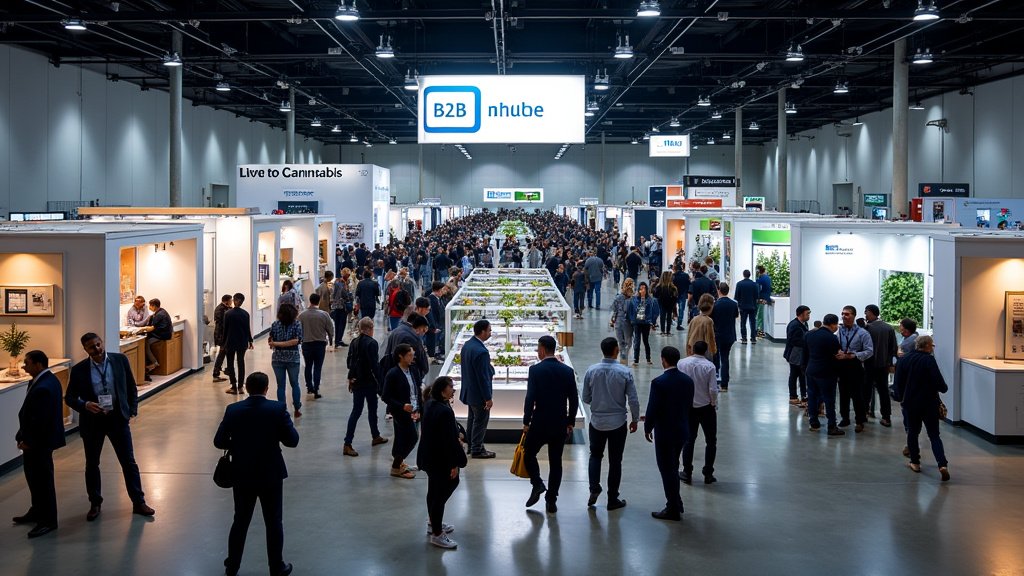
The U.S. cannabis market continued its robust expansion. Sales were projected to reach approximately $35.2 billion in 2025. Other forecasts placed revenue closer to $45.3 billion. The global market also shows strong growth projections. Millennials and Gen Z are now major consumers. Consumer preferences are trending toward wellness. Low-dose products and discreet consumption are popular. Beverages and pre-rolls are emerging product categories. Sustainability is also a growing consumer expectation.
Innovation Drives Industry Evolution
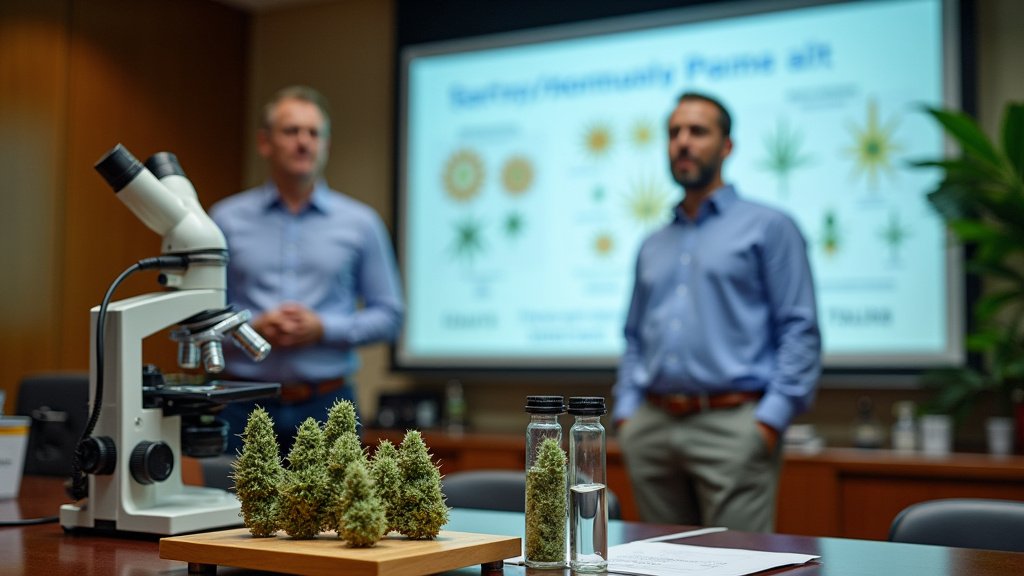
Technology played a crucial role in 2025. High-tech cultivation methods gained traction. Precision agriculture and AI-driven monitoring enhanced yields. Vertical farming became more mainstream. Advances in genetic research led to new hybrid strains. These are tailored for specific effects. Product innovation focused on minor cannabinoids. Fast-acting delivery systems improved consumer experiences. Companies also prioritized eco-friendly practices. Sustainable packaging and cultivation methods are trending.
Looking Ahead to 2026: Maturation and Challenges
As the industry matures, 2026 promises further evolution. The full impact of federal rescheduling will unfold gradually. Banking and interstate commerce remain key challenges. Industry leaders anticipate disciplined operations. Facility retrofits and post-harvest innovation will be crucial. Mergers and acquisitions are expected to continue.
The market for hemp-derived THC faces new regulatory pressure. Federal and state governments are developing frameworks for these products. Marketing strategies will shift. Content will move towards science-based approaches. Return on investment (ROI) will be a key focus for marketing budgets.
The cannabis sector is entering a more stable era. Technology will drive improvements in cultivation and post-harvest processes. While challenges persist, the industry demonstrates resilience. Its capacity for continuous reinvention is clear.
The year 2025 brought significant news and trends. These paved the way for continued advancements. The cannabis industry is poised for further growth. It will be shaped by policy, technology, and consumer demand. The future looks dynamic for this evolving sector. This cannabis news shows remarkable progress.