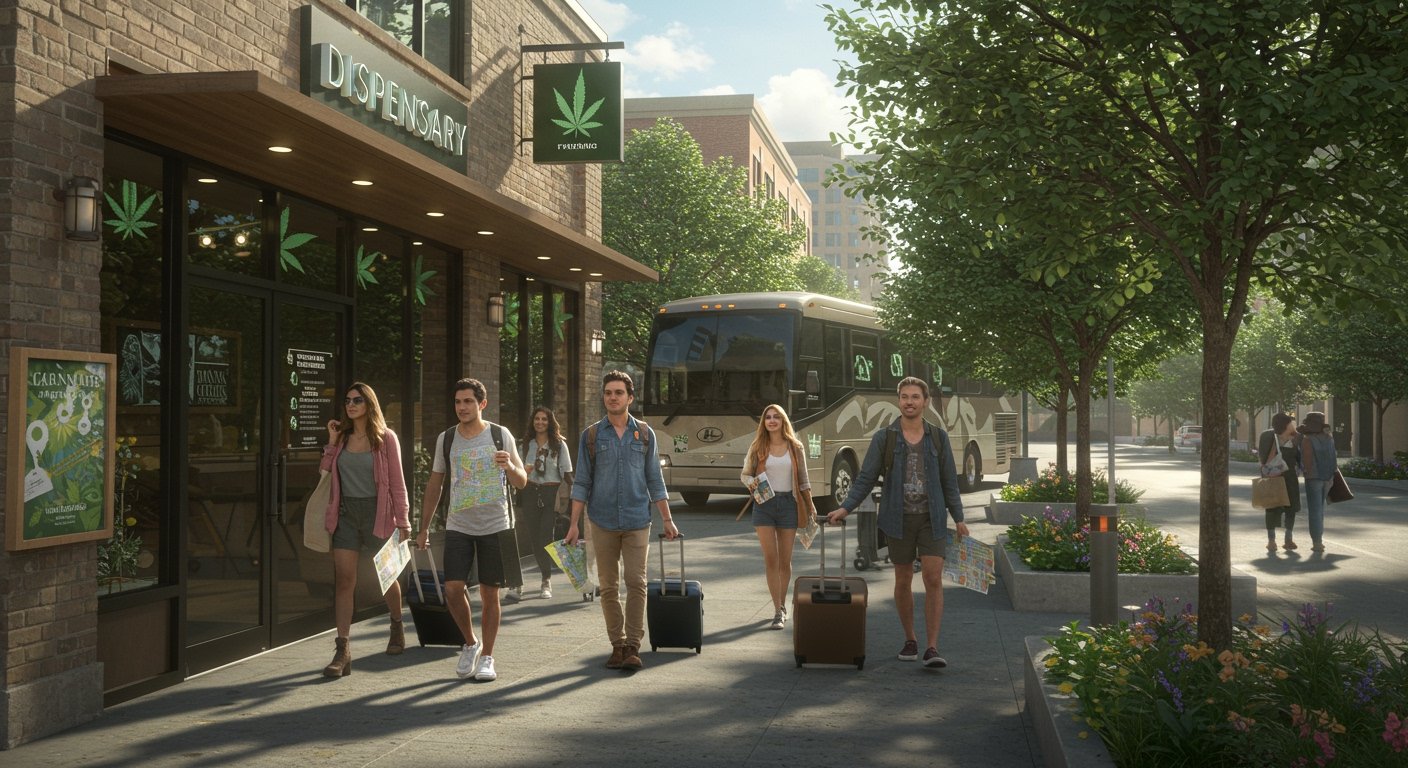
The emerging intersection of legalized cannabis and the travel industry is cultivating a significant new sector: cannabis tourism. This burgeoning market holds substantial economic potential for destinations across the United States as consumer interest in unique and experiential travel converges with the increasing mainstream acceptance of marijuana.
Understanding the Market Potential
Projections underscore the scale of this developing industry. According to industry tracker Grandview Research, the U.S. cannabis tourism market size is estimated to potentially reach a remarkable $23.7 billion by 2030. This forecast highlights the rapid expansion anticipated in a sector that, while still nascent in many areas, is quickly maturing in regions where cannabis is legally accessible.
This robust growth trajectory is fundamentally driven by evolving consumer preferences. Modern travelers increasingly seek experiences that are both unique and deeply engaging, moving beyond traditional sightseeing towards activities that offer a distinct sense of place and culture. Concurrently, the gradual normalization and decriminalization of marijuana across numerous states have significantly reduced stigmas, making cannabis-related activities more appealing and accessible to a broader demographic.
Economic Benefits for Destinations
Destinations that embrace or simply navigate the rise of cannabis tourism stand to gain from substantial new revenue streams. The influx of visitors specifically interested in cannabis-related experiences leads directly to increased hotel bookings, as travelers require accommodation. Growth is also seen in the dining sector, as tourists explore local culinary scenes, and in entertainment, encompassing everything from traditional tourist attractions to cannabis-specific venues.
Crucially, direct revenue is generated through direct cannabis sales at licensed dispensaries. This multifaceted economic impact extends beyond the core cannabis businesses, benefiting a wide array of local enterprises that cater to tourists.
Strategic Partnerships Driving Growth
As the market matures, businesses within the cannabis tourism ecosystem are actively forming strategic partnerships. These collaborations are essential for creating integrated travel experiences that cater to the specific needs and interests of cannabis tourists. Partnerships are being established, for instance, between licensed dispensaries or lounges and cannabis tour operators who curate itineraries that might include farm visits, dispensary tours, educational sessions, or consumption lounge experiences.
Furthermore, collaborations with lodging providers, such as hotels and short-term rentals, are becoming more common. These partnerships may involve offering cannabis-friendly accommodations or packaging deals that combine stays with access to cannabis-related activities, providing convenience and curated options for visitors.
Navigating the Regulatory Landscape
Despite the promising economic outlook, navigating the complex web of regulations remains a crucial challenge and operational necessity for all stakeholders in cannabis tourism. Adherence to strict licensing and operating requirements is paramount for businesses involved, including licensed retailers, consumption lounges, and tour operators themselves. These regulations vary significantly by state and locality, adding layers of complexity for businesses operating across different jurisdictions.
Key regulatory areas that businesses and tourists must understand include age restrictions, which are typically set at 21 or older in line with recreational cannabis laws. Strict public consumption laws dictate where individuals may legally consume cannabis, often prohibiting use in public spaces. Additionally, marketing limitations impose constraints on how cannabis businesses can advertise and promote their services, particularly in ways that might appeal to underage individuals or promote irresponsible use.
Integrating Culture and Events
The trend in cannabis tourism also encompasses the growing popularity of cannabis events and festivals. These gatherings serve as cultural touchpoints, combining various elements to create immersive experiences. Attendees can often enjoy music performances, explore diverse food vendors, appreciate art installations, and engage directly with cannabis culture through product showcases, educational panels, and social consumption areas (where permitted).
These events not only attract tourists but also help to normalize cannabis within a broader cultural context, further driving mainstream acceptance and interest in related tourism activities.
Conclusion
The rise of cannabis tourism represents a significant evolution in the travel industry, opening up substantial economic opportunities for destinations and businesses. While the market is projected for robust growth, reaching billions of dollars by 2030 in the U.S. according to Grandview Research, its continued development is intrinsically linked to effective navigation of diverse and stringent regulatory environments. As consumer interest grows and the industry matures, strategic partnerships and well-managed operations within legal frameworks will be key to capitalizing on this dynamic new era of travel.