Czechia enacted a new cannabis law. It took effect on January 1, 2026. This reform marks a significant policy shift. It aims for clearer rules. It also eases judicial burdens.
Key Provisions of the New Law
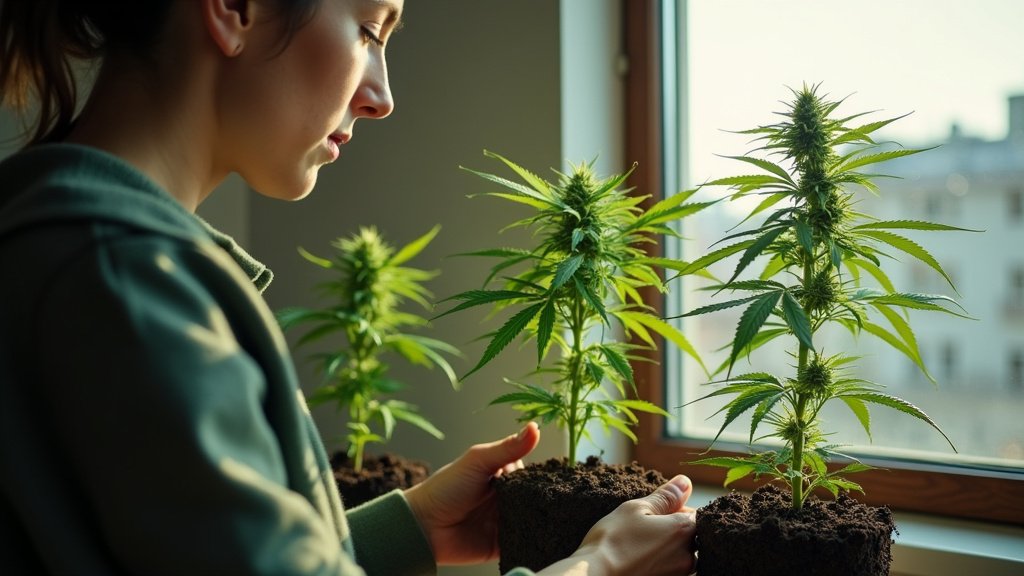
Adults aged 21 and over can now grow cannabis. They are allowed up to three plants. This cultivation must occur at their primary residence. It provides a legal framework for personal use. It replaces years of ambiguity. Previously, home cultivation was often criminalized. This new law offers clarity. It prevents individuals from facing harsh penalties. The reform prioritizes personal freedom. It balances this with defined limits.
Possession limits are also clearly set. Adults can legally possess up to 100 grams of dried cannabis at home. This is a substantial amount. It allows for personal supply. Carrying cannabis in public is different. Individuals can carry up to 25 grams. This is permitted in public spaces. These limits are uniform nationwide. They aim to create consistency. This contrasts with prior discretionary enforcement. The law emphasizes personal responsibility. It avoids criminalizing minor infractions. However, exceeding these limits has consequences.
Background and Motivations
Czechia has a history of liberal drug policy. Medical cannabis use has been legal since 2013. Small amounts of cannabis were often decriminalized. However, personal cultivation remained legally uncertain. This created a “grey area.” The new law seeks to end this. It reduces the strain on courts and police. Officials estimate significant cost savings. Some research suggests up to €107 million annually. This comes from reduced enforcement. It also eases judicial workload. The government sees this as a pragmatic step. It aims to reduce legal risks for citizens. It offers a more regulated approach. This move follows similar trends in Europe. Germany also introduced reforms in 2024. However, Czechia has a higher age limit. It is 21, not 18. Lawmakers noted this reflects plant yield. The reform is seen as a compromise. It is not the final step in policy. It acknowledges user rights. It also addresses public health concerns.
What Remains Prohibited
This reform focuses strictly on personal use. It does not permit commercial sales. There will be no cannabis shops. Coffee shops are also not planned. Selling or distributing cannabis remains illegal. Discussions are ongoing for social clubs. These would be non-profit organizations. Pilot projects are also being considered. However, these are future possibilities. They are not part of the current law. The emphasis remains on self-sufficiency. It is not about creating a commercial market. Giving away cannabis is also not clearly regulated. The law prioritizes individual cultivation. It aims to reduce demand for illicit products. It also hopes to improve safety. Consumers can grow their own supply. This avoids unregulated sources. It offers greater control. This is especially beneficial for medical users. They gain independence. They also reduce financial burdens. This provides peace of mind. They can legally cultivate within limits.
Penalties and Future Outlook
Growing more than three cannabis plants is an offense. Cultivating four to five plants is a misdemeanor. This typically results in a fine. Growing six or more plants is still a criminal offense. Possessing more than 100 grams at home is also penalized. Possession exceeding 200 grams at home is a felony. Public possession limits are also strictly enforced. The law is designed to provide clarity. It distinguishes between minor infractions and serious crimes. The Czech Republic’s approach is notable. It is more permissive than some neighbors. However, it falls short of full market legalization. This cautious approach reflects ongoing political discussions. It also considers EU regulations. Further liberalization is anticipated. Discussions about regulated markets continue. These may include social clubs. Such developments could occur in the coming years. This reform represents progress. It sets a new standard for personal cannabis use. It acknowledges a shift in public and political will. It is a step toward harm reduction. It also provides a foundation for future policy. Many advocates see this as a starting point. They continue to push for broader reforms. The focus remains on personal freedom. It also prioritizes public safety. This carefully crafted law balances these factors. It sets clear expectations for citizens. It aims to simplify the legal landscape. This is a key step for Czechia. It leads toward a more liberal policy in Europe. This law provides essential advice for citizens. It details what is permissible. It guides safe cultivation practices.
Czechia vs. Europe
Czechia’s approach is unique. It has a higher age limit than Germany. It also allows more home possession. However, it does not permit social clubs yet. Spain has decriminalized personal use. Luxembourg also allows home cultivation. Czechia’s law offers clear rules. It balances personal liberty and state control. This positions the country as a leader. It encourages a progressive dialogue. It shapes European drug policy discussions. The current framework emphasizes personal cultivation. It is a careful evolution. It avoids a rapid commercial market. This measured approach continues. It offers a model for other nations. It respects individual rights. It also maintains public safety standards. This reform is a significant achievement. It reflects long-term policy development. It provides a clear path forward.