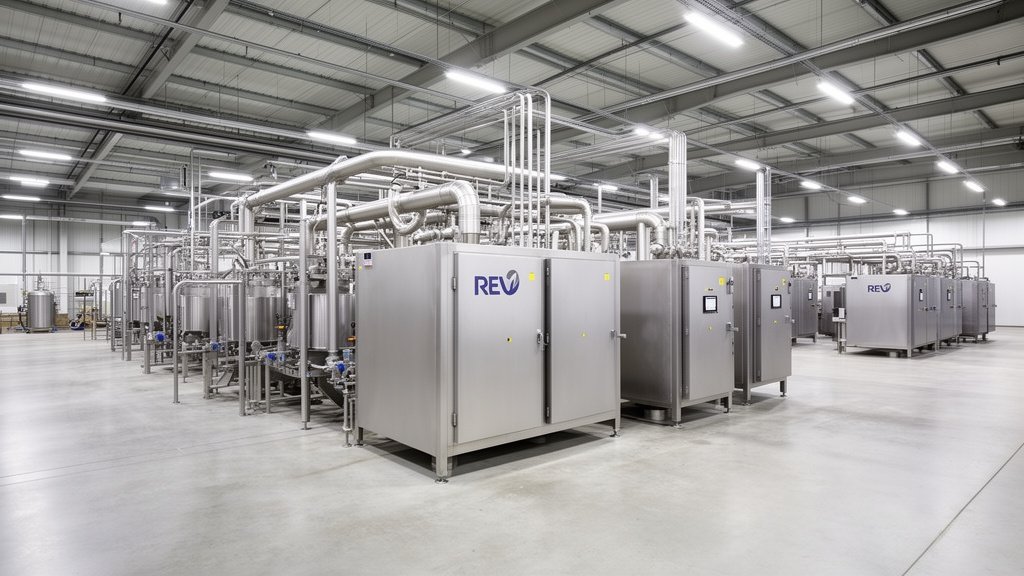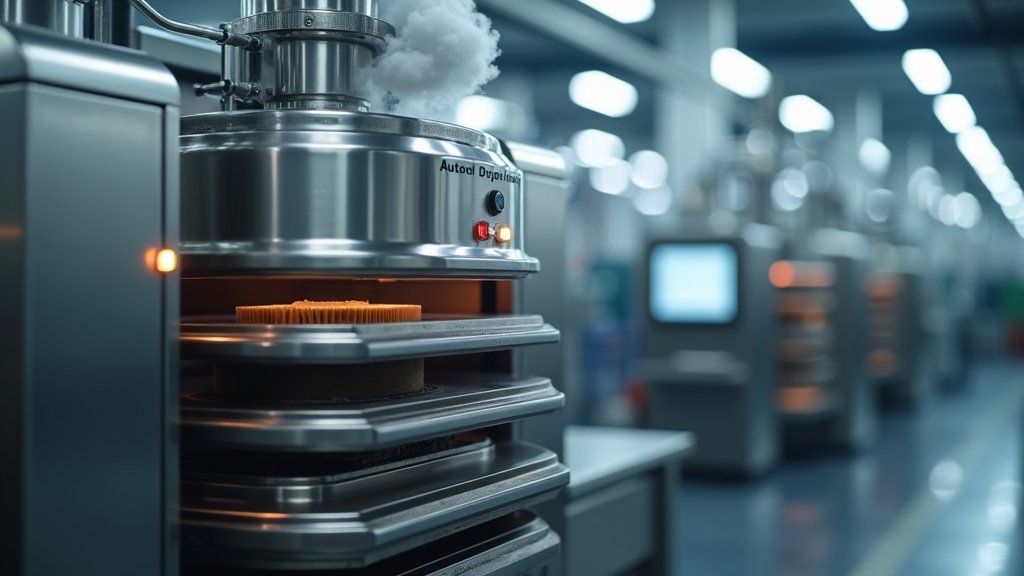
The market for multi-layer automatic drying machines is growing. This trend is expected to continue through 2032. Demand for efficient drying solutions fuels this growth. Many industries rely on these machines. Cannabis processing is a key sector. Pharmaceutical applications also drive demand. Technological advancements are important. Heat exchange systems are improving. Energy-efficient models are emerging. These factors boost market performance. The market is projected for robust growth. A compound annual growth rate (CAGR) of 4.7% is expected. This forecast covers 2024 through 2032. North America shows strong demand. The U.S. and Canada lead this trend. They seek advanced drying solutions. Precise temperature control is vital. Contamination prevention is also critical. These features are essential. This applies to pharmaceutical and cannabis sectors.
Market Drivers and Key Trends
Several factors propel this market forward. Automation is a major driver. Industries want to reduce labor costs. They also seek consistent product quality. Efficiency gains are paramount. Automated systems offer high throughput. They process materials faster. Energy efficiency is another focus. Manufacturers develop greener machines. These machines use less power. This reduces operating expenses. It also supports sustainability goals. Industry 4.0 technologies are key. These include smart sensors and IoT. They enable full automation. Production lines become smarter. Data analytics improve processes. This offers significant advantages.
Dominant Machine Types
Belt-type multi-layer drying machines lead the market. They offer high throughput. Their operational efficiency is excellent. These machines are versatile. They can handle various materials. They are suitable for large-scale production. Other dryer types exist. However, belt dryers dominate current needs. Their design meets industry demands. Manufacturers continue to innovate. They refine existing designs. They also explore new technologies.
Key Industry Applications
The cannabis industry is a major user. Precise drying preserves cannabinoid quality. It also affects terpene profiles. Automated dryers offer control. This is crucial for product consistency. Pharmaceuticals also require strict drying. It is essential for drug stability. Medical device manufacturing also uses these tools. Food processing is another large application. High-speed drying is needed there. The demand for specialized equipment grows. This fuels market expansion.
Regional Market Dynamics
North America is a leading region. The U.S. and Canada show high adoption. This is due to their advanced industries. Stringent quality standards drive demand. Emerging markets also show potential. Asia-Pacific is seeing growth. Increased industrialization is a factor. Europe also contributes significantly. Demand exists for high-performance dryers. Investment in automation is rising globally.
Future Outlook and Opportunities
The market outlook remains positive. Continued technological innovation will drive growth. Integration of AI is likely. This will enhance drying control. Customization options will increase. Manufacturers will cater to niche needs. Sustainability will remain a focus. Development of eco-friendly dryers will continue. The need for efficient processing tools will persist. This offers opportunities for market players. Staying ahead of news and trends is vital.
Conclusion
The multi-layer automatic drying machine market is dynamic. Strong growth is anticipated. Key drivers include automation and efficiency. The cannabis and pharmaceutical sectors are vital. Technological advancements will shape the future. Manufacturers must innovate. They must meet evolving industry demands. This market presents significant opportunities. It is a rapidly trending sector.